Introduction: Why Invest in an Automated Poultry Farm in Africa?
Africa’s poultry sector is experiencing rapid growth, driven by urbanization, a rising middle class, and increasing demand for affordable animal protein. According to global agricultural projections, poultry consumption across Sub-Saharan Africa will continue expanding, making it one of the most promising agribusiness sectors.
For investors and entrepreneurs, establishing an automated poultry farm in Africa with 10,000–20,000 birds represents a strategic entry point. This scale allows:
- Economies of scale
- Manageable operational complexity
- Strong return potential
However, success requires adapting to Africa-specific challenges such as:
- Unstable electricity supply
- High feed cost volatility
- Tropical disease pressure
- Limited technical infrastructure
This guide provides a practical, experience-based roadmap covering site selection, equipment, automation systems, and poultry farm setup cost in Africa.
1. Site Selection for Poultry Farming in Africa
1.1 Location Strategy
Choosing the right location is critical for long-term profitability.
Accessibility vs Biosecurity
- Close to markets → lower transport cost
- Too close to roads → higher disease risk
Water Supply Requirements
- Birds require 2–3× feed intake in water
- 15,000 birds need:
- 3,000–4,500 liters/day
Reliable solutions include:
- Borehole systems
- Water storage tanks
- Filtration + testing (pH, minerals, bacteria)
Land Conditions
- Slight slope (2–4%) for drainage
- Avoid flood-prone areas
- Dry environment reduces disease risk
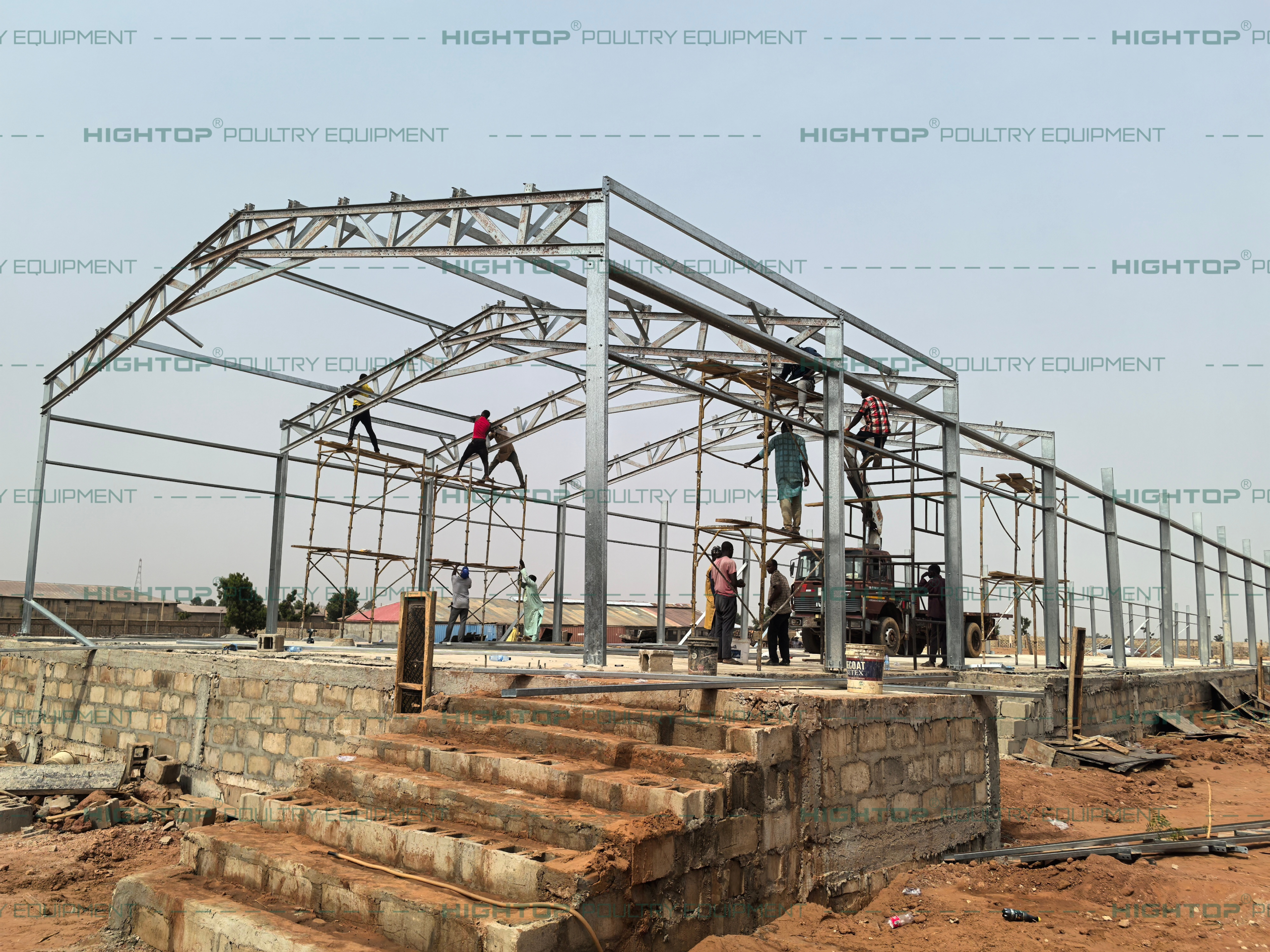
1.2 Legal Requirements
Before construction:
- Obtain agricultural permits
- Environmental approval (especially >10,000 birds)
- Expect approval timelines of several months
2. Power Solutions for Automated Poultry Farms in Africa
Electricity instability is one of the biggest risks in African poultry farming.
Essential Power Configuration
- Grid electricity (primary source)
- Backup diesel generator
- Automatic Transfer Switch (ATS)
- Fuel reserve for ≥72 hours
- Solar + battery backup (recommended)
Industry Best Practice
Successful farms in Africa commonly use hybrid power systems:
- Generator for heavy load
- Solar for monitoring + lighting
This reduces long-term operating costs and prevents production losses.
3. Poultry Equipment and Automation Systems
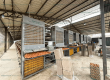
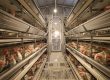
For a 10,000–20,000 layer farm in Africa, partial automation delivers the best ROI.
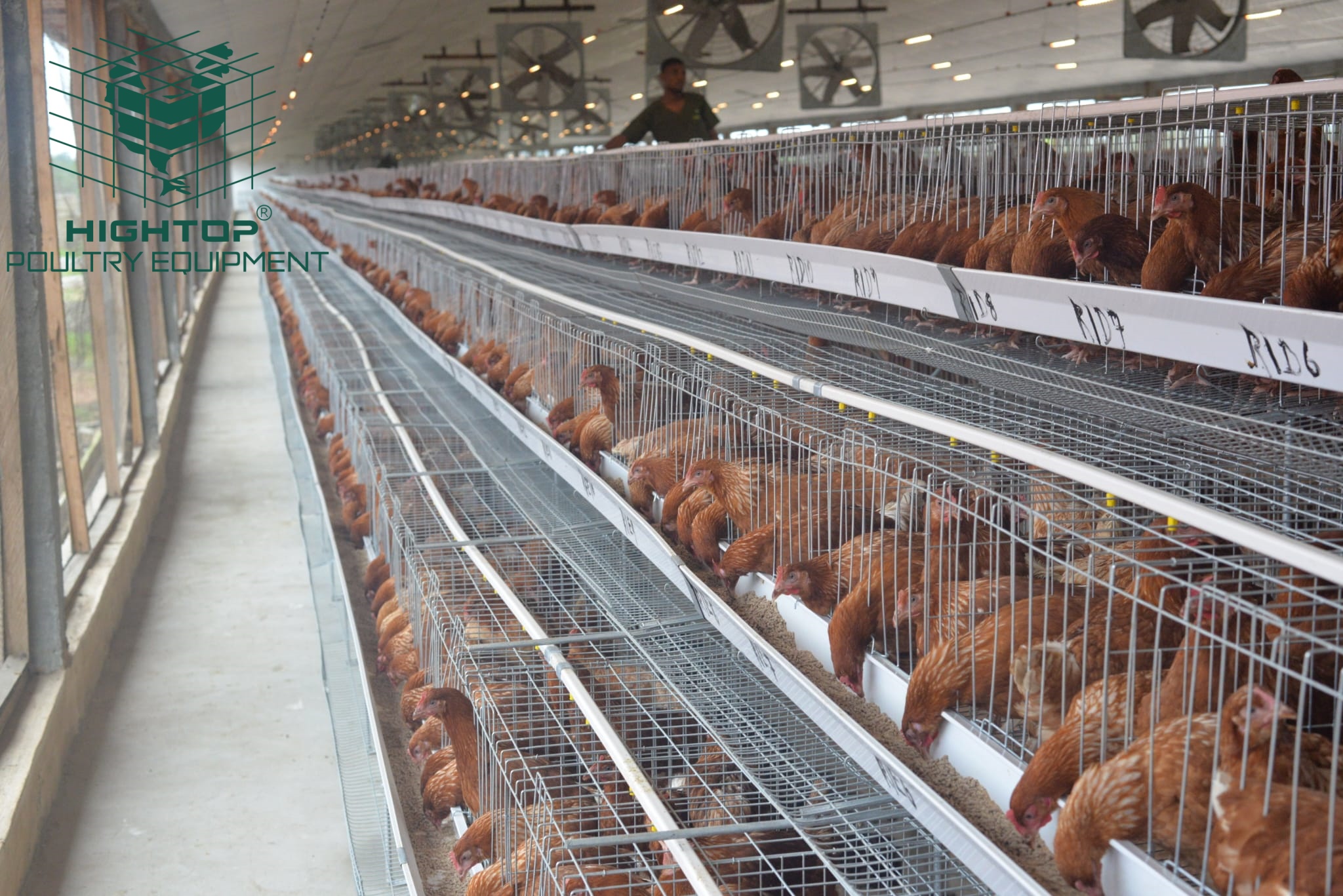
3.1 Cage System Selection
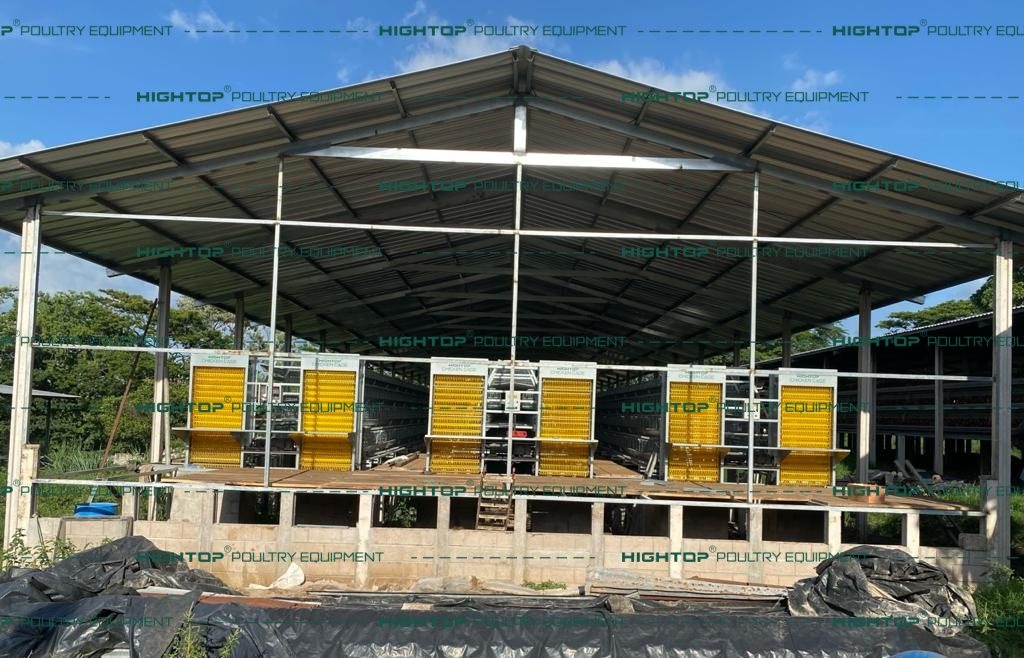
A-Type Cage System
- Lower investment
- Easier maintenance
- Ideal for beginners
H-Type Cage System
- Higher density
- More automation
- Higher initial cost
👉 Recommendation:
For first-time investors, A-type automatic cage systems offer better cost control.
3.2 Automated Feeding System
- Reduces labor by 70–80%
- Ensures uniform feeding
- Minimizes feed waste
Must include:
- Backup/manual feeding option
3.3 Automatic Drinking System
- Nipple drinkers improve hygiene
- Prevent water wastage
Key requirements:
- Filtration system
- Pressure regulator
3.4 Manure Management System
Options:
- Scraper system (recommended for A-type cages)
- Belt conveyor (used in H-type cages)
Cost Efficiency Insight:
- Scraper system → low cost + easy maintenance
- Belt system → higher investment + maintenance cost
Daily manure removal:
- Reduces ammonia
- Improves air quality
- Enhances bird health
3.5 Environmental Control System
Climate determines system design:
Mild Climate (≤35°C)
- Open poultry house
- Natural ventilation + roof ventilators
Hot Climate (≥38°C)
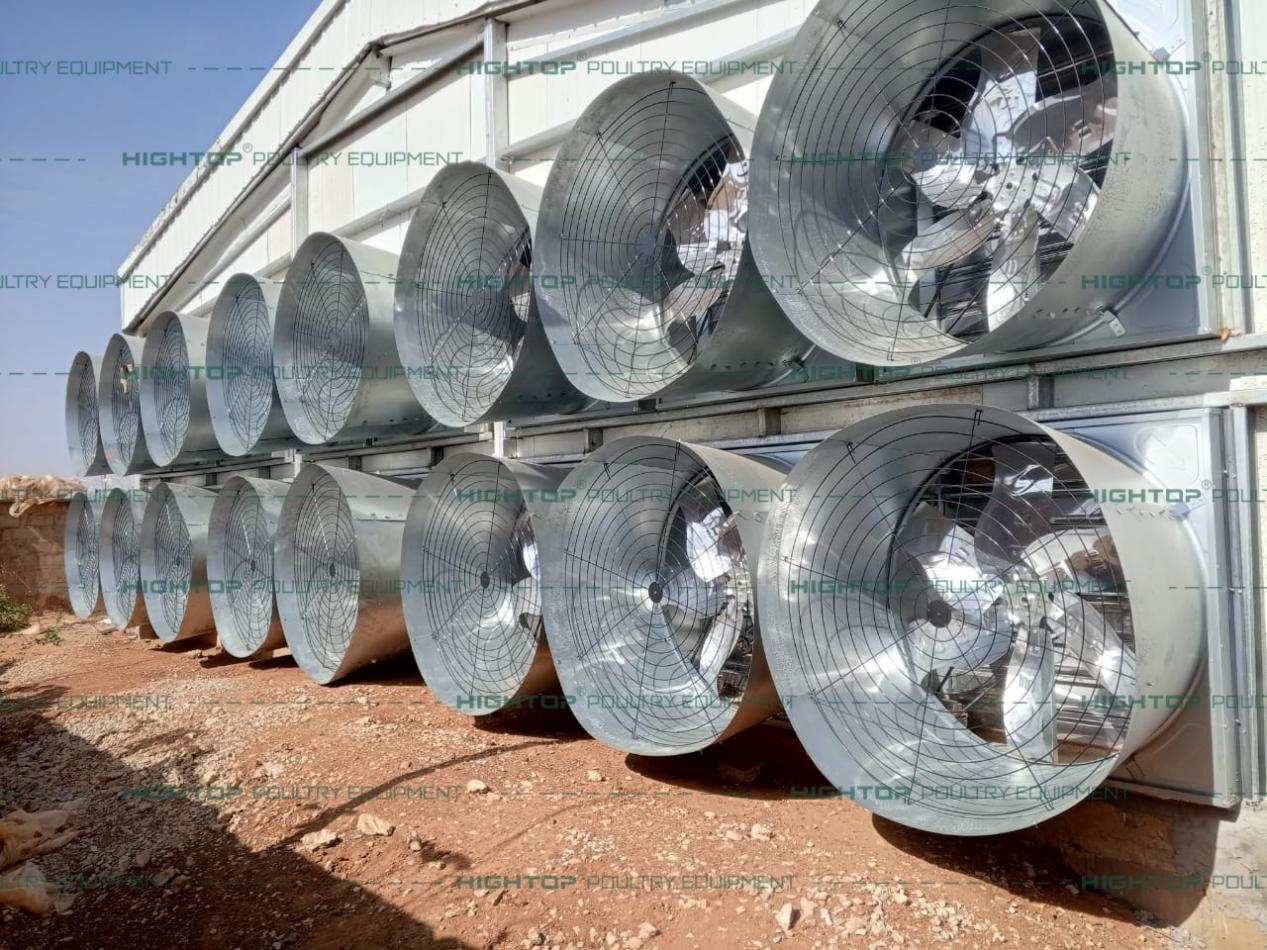
- Closed house system
- Cooling pads + exhaust fans
Evaporative cooling is essential in high-temperature regions to maintain egg production.
4. Poultry Farm Setup Cost in Africa (10,000–20,000 Birds)
Understanding investment requirements is critical for planning.
4.1 Total Investment Overview
| Component | Estimated Cost |
|---|---|
| Land | $2,000–$20,000+ |
| Buildings | $18,000–$30,000 |
| Equipment | $30,000–$60,000 |
| Chickens | $7,500–$22,500 |
| Working Capital | $30,000–$60,000 |
👉 Total Estimated Investment:
$90,000 – $180,000
4.2 Feed Cost (Major Expense)
Feed accounts for 65–75% of total cost.
Example:
- 15,000 birds →
- $80,000–$120,000/year
👉 Key strategy:
- Secure stable feed suppliers
- Consider local feed production
4.3 ROI Consideration
Profitability depends on:
- Feed cost control
- Mortality rate
- Egg price stability
- Farm management efficiency
5. Labor and Farm Management Structure
Recommended Staffing
Farm Manager
- Animal science/veterinary background
- Oversees production + operations
Workers (3–6)
- Daily inspection
- Equipment monitoring
- Egg collection
Veterinary Support
- Part-time or contract-based
6. Key Success Factors for Poultry Farming in Africa
To succeed in the African market, focus on:
- Reliable power backup system
- Cost-effective automation
- Strong biosecurity measures
- Skilled farm management
- Feed supply stability
Conclusion: Is an Automated Poultry Farm in Africa Profitable?
Yes—when properly planned.
The demand for eggs and poultry meat in Africa continues to rise, driven by population growth and urbanization. Entrepreneurs who invest in:
- Proper infrastructure
- Efficient automation systems
- Realistic financial planning
can achieve sustainable and scalable returns.
An automated poultry farm with 10,000–20,000 birds is one of the most practical and profitable agribusiness models in Africa today—balancing risk, cost, and production efficiency.
FAQ: Poultry Farming in Africa
Q1: How much does it cost to start a poultry farm in Africa?
A: Typically between $90,000 and $180,000 for a 10,000–20,000 bird automated farm.
Q2: Is poultry farming profitable in Africa?
A: Yes, especially with good management, stable feed supply, and proper automation.
Q3: What is the best poultry system for beginners?
A: A-type cage system with scraper manure removal is the most cost-effective.
Q4: What are the biggest risks?
- Power outages
- Feed price fluctuations
- Disease outbreaks
Request A Quote
Please contact us or get quote via the contact form below, we’ll get back to you as soon as possible.