In the Philippines, the poultry industry is rapidly evolving toward large-scale, intensive production. Driven by population growth, urbanization, and increasing demand for affordable protein, more investors are entering the sector with high expectations.
However, industry observations across Southeast Asia consistently show a critical pattern:
more than half of newly built poultry farms face profitability challenges or operational losses during the early stages of operation—especially when system integration and local adaptation are insufficient.
This is not a demand issue.
It is a system engineering issue.
Modern poultry farming is not simply agriculture—it is a multidisciplinary industrial system integrating biology, engineering, and data science.
1. Why Many Poultry Projects Underperform: A System-Level Perspective
A common misconception among new investors is treating poultry farming as a straightforward construction and procurement project:
- Build standard chicken houses
- Install automated equipment
- Start production quickly
While this approach appears efficient, it overlooks the most critical factor:
the interaction between systems under real operating conditions
1.1 Environmental Complexity in the Philippines
The Philippines presents one of the most challenging environments for poultry production:
- Persistent high temperatures (28–35°C)
- High humidity (often above 70%)
- Seasonal typhoons and unstable weather
From an engineering perspective, these factors directly impact:
- Ventilation system load and design parameters
- Heat stress thresholds in poultry physiology
- Pathogen proliferation risks in humid conditions
- Energy consumption variability
Without climate-adapted system design, farms often experience unstable performance and elevated operational costs.
1.2 Construction Precision as a Performance Variable
In industrial poultry systems, construction quality is not merely structural—it is operational.
Key technical factors include:
- Airtightness coefficient of the building envelope
- Thermal insulation performance
- Floor flatness and equipment alignment tolerances
Even minor deviations can result in:
- Inefficient airflow distribution
- Equipment malfunction or uneven operation
- Increased mortality (typically 2–5% variance)
These deviations translate directly into measurable financial losses.
1.3 The Limitation of Engineering Drawings
Engineering drawings define structure, not system behavior.
They do not address:
- Dynamic environmental adjustments
- Interdependence between subsystems
- Real-time operational decision-making
The real competitive advantage lies in system integration and operational logic, not in the drawings themselves.
2. Poultry Farming as an Integrated Industrial System
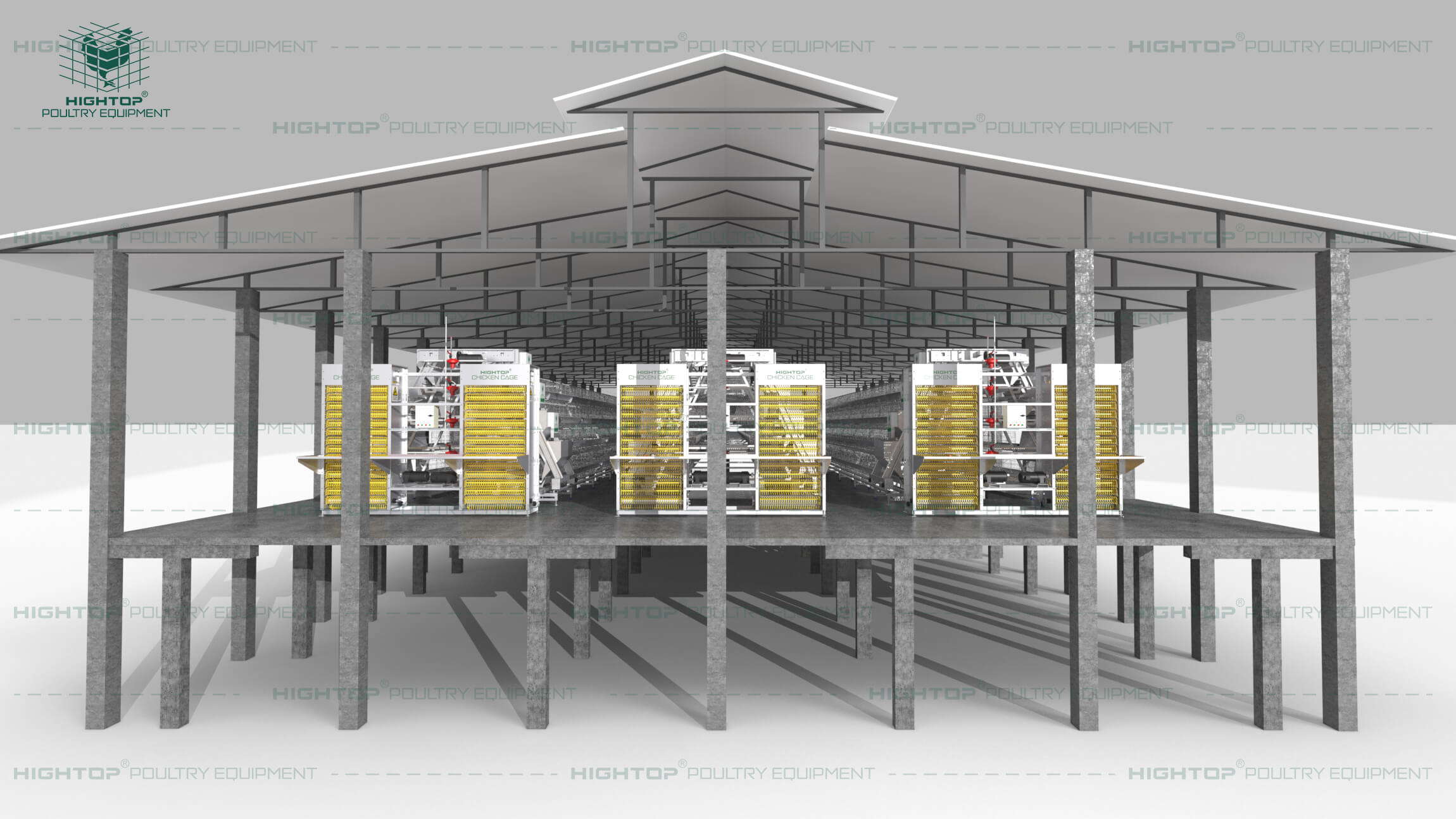
A modern poultry farm functions as a complex, interdependent system, where performance is determined by synergy across multiple disciplines.
2.1 Biological Systems and Environmental Control
Poultry performance is highly sensitive to:
- Temperature
- Humidity
- Light cycles
These variables must be continuously adjusted based on:
- Bird age
- Breed characteristics
- Health status
Static parameter settings are insufficient; adaptive control is required.
2.2 Mechanical Systems and Process Synchronization
Core operational systems include:
- Feeding systems
- Ventilation systems
- Manure removal systems
Their effectiveness depends on precise timing coordination:
- Feeding affects metabolism and productivity
- Ventilation controls gas concentration and oxygen levels
- Manure removal impacts ammonia accumulation
Lack of synchronization leads to hidden inefficiencies.
2.3 Data Systems and Decision Intelligence
Traditional farms rely on human experience.
Modern farms rely on data-driven decision frameworks.
The key variables are:
- Data accuracy
- Collection frequency
- Analytical capability
Without reliable data, optimization becomes impossible.
3. The Role of IoT in Modern Poultry Farming
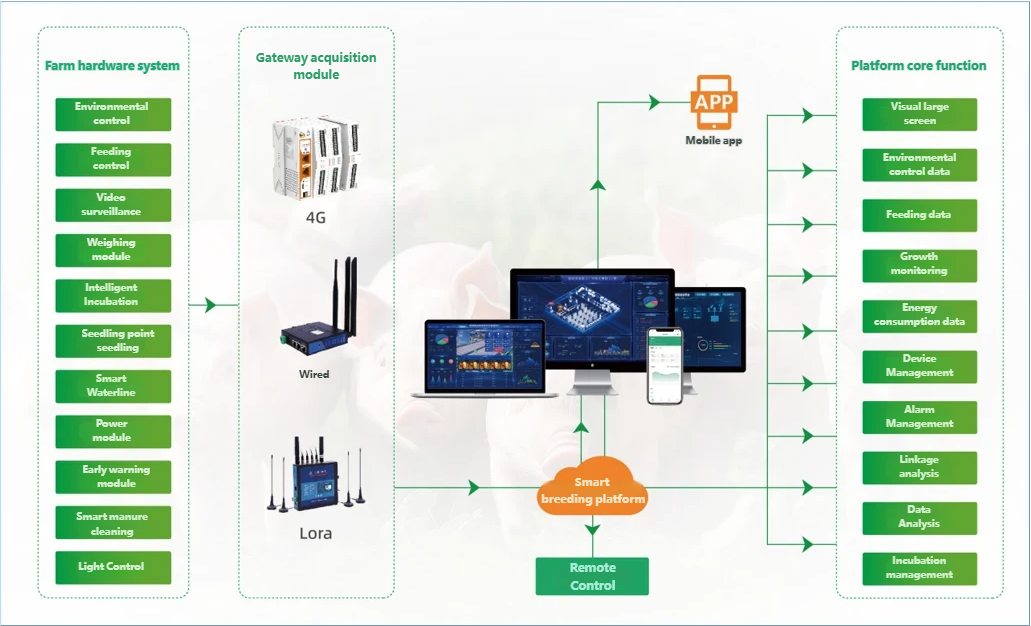
The integration of the Internet of Things represents a fundamental shift in poultry production.
IoT enables:
- Continuous environmental monitoring
- Automated control systems
- Predictive analytics
This transforms farm management from:
- Reactive → Predictive
- Manual → Automated
- Experience-based → Evidence-based
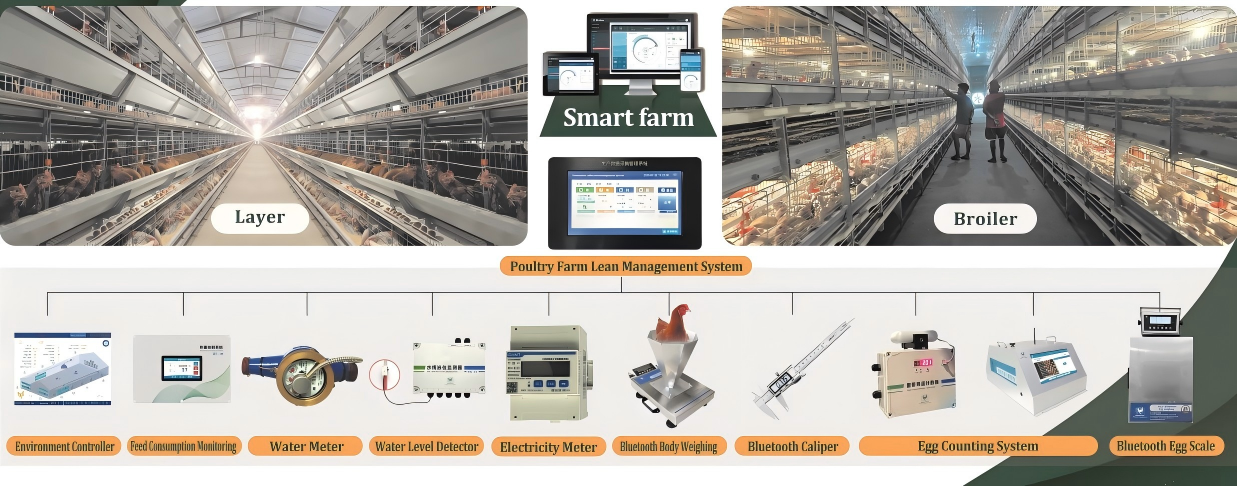
4. HIGHTOP Integrated IoT Poultry System
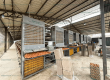
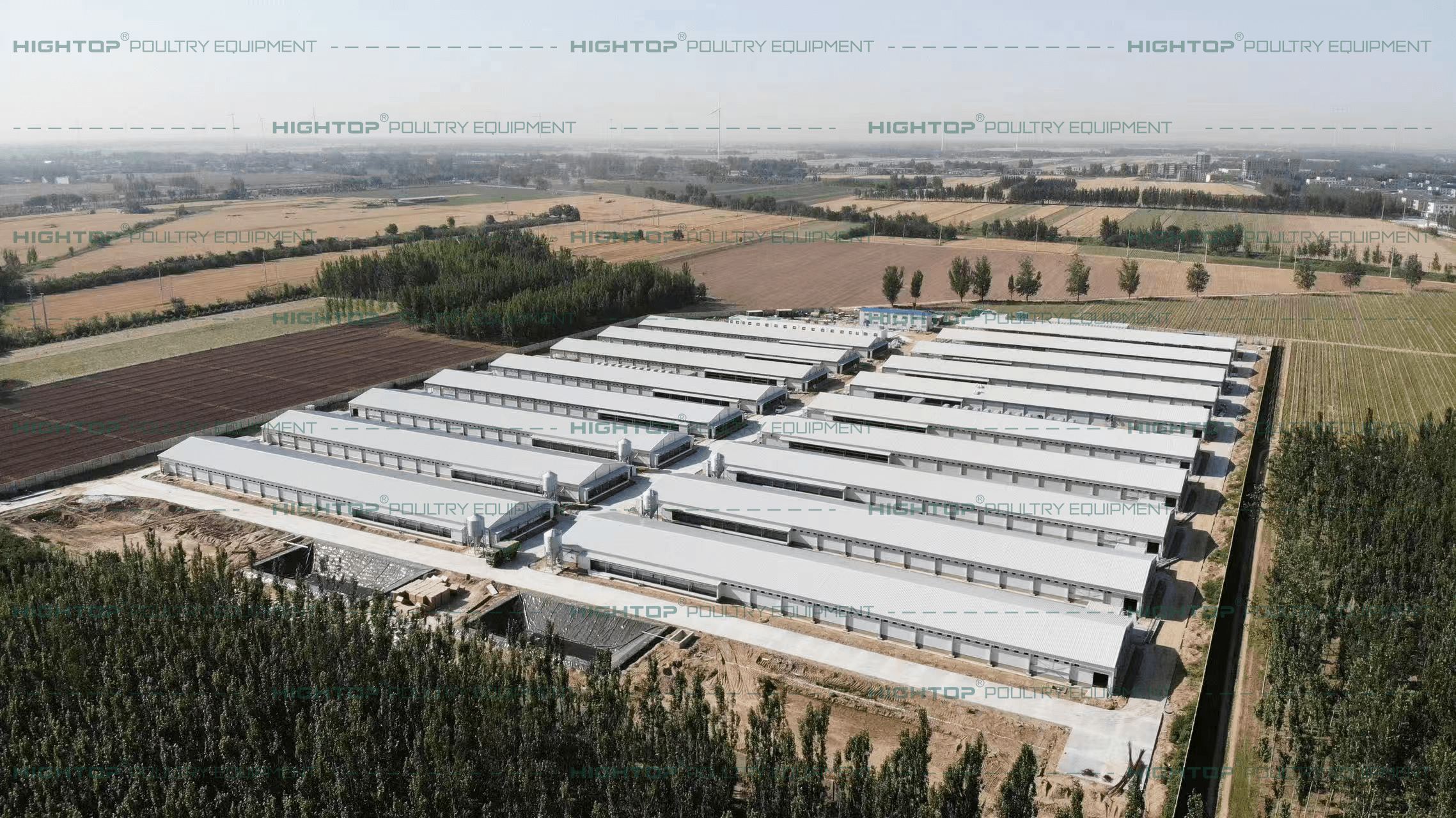
Hebei Hightop Livestock Farming Equipment Co., Ltd. provides a comprehensive turnkey solution designed for industrial-scale poultry farming.
Their system integrates:
- Engineering design
- Equipment manufacturing
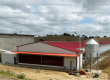
- Prefabricated steel structure poultry houses
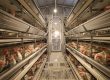
- Automated production systems
- IoT-based intelligent management
- Technical training and after-sales support
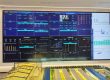
4.1 Real-Time Data Acquisition and Monitoring
The IoT platform collects high-frequency data on:
- Temperature, humidity, ammonia, CO₂
- Feed and water consumption
- Bird activity and behavioral patterns
This creates a data-driven operational foundation.
4.2 Adaptive Environmental Control
Designed for tropical climates such as the Philippines, the system dynamically adjusts:
- Ventilation rates
- Cooling pad operation
- Airflow distribution
Ensuring environmental stability under fluctuating conditions.
4.3 Predictive Risk Management
The system identifies early warning signals:
- Reduced water intake → potential disease
- Abnormal temperature fluctuations → equipment issues
- Feeding irregularities → stress indicators
Enabling early intervention and risk mitigation.
4.4 Data-Driven Operational Optimization
Through continuous data accumulation, farms can:
- Optimize feed conversion ratios
- Improve production consistency
- Reduce energy consumption
Over time, this builds a proprietary data advantage.
5. Why HIGHTOP Has a Competitive Advantage in the Philippines
Selecting a solution provider with local experience and system integration capability is critical.
Hebei Hightop Livestock Farming Equipment Co., Ltd. demonstrates strong advantages in the Philippines market:
5.1 Extensive Local Project Experience (100+ Farms)
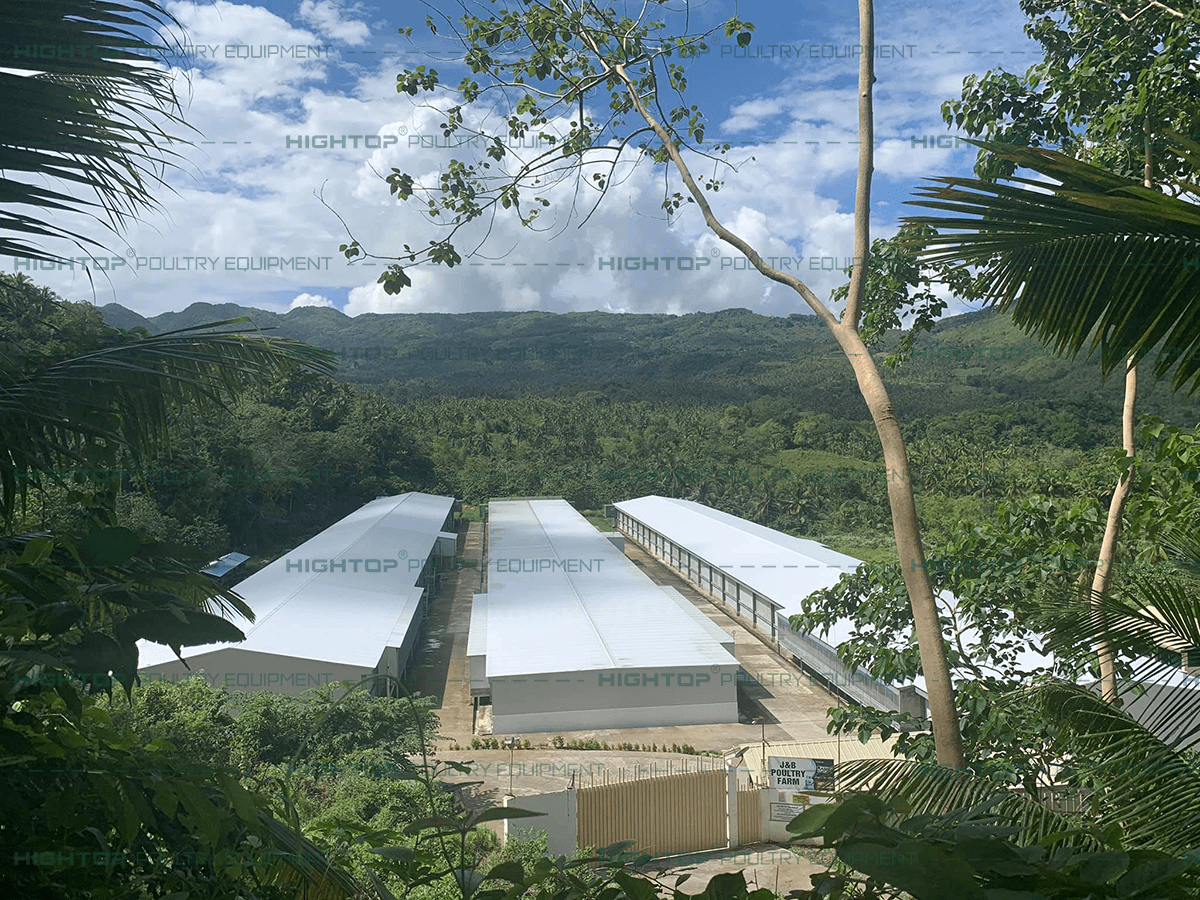
HIGHTOP has delivered over 100 poultry farm projects in the Philippines.
This provides:
- Empirical design validation under local conditions
- Proven performance benchmarks
- Reduced uncertainty in project execution
Designs are based on real-world performance data, not theoretical assumptions.
5.2 Climate-Adaptive Engineering Design
HIGHTOP customizes each project based on:
- Regional climate conditions
- Farm location characteristics
- Production scale requirements
Technical adjustments include:
- Ventilation layout optimization
- Material selection for corrosion resistance
- Structural reinforcement for typhoon resilience
These refinements significantly reduce early-stage operational risk.
5.3 System Integration Expertise (“Invisible Interfaces”)
One of the most critical yet overlooked factors in poultry farming is interface compatibility between systems.
HIGHTOP optimizes:
- Equipment coordination logic
- Electrical load balancing
- Communication protocol integration
Ensuring all subsystems operate as a unified whole.
5.4 Local Installation and Execution Capability
Through established local installation teams in the Philippines, HIGHTOP ensures:
- High installation precision
- Faster project timelines
- Consistent construction quality
Reducing implementation risks.
5.5 Continuous On-Site Technical Support
HIGHTOP provides ongoing support through:
- Regular site visits by project managers
- Deployment of technical specialists
- Face-to-face operational consultation
This ensures long-term system performance and continuous optimization.
5.6 Full EPC (Turnkey) Delivery Model
HIGHTOP offers complete Engineering–Procurement–Construction (EPC) solutions:
- Design → Manufacturing → Installation → Training → Operation support
Eliminating fragmentation and ensuring system integrity.
6. Industry Outlook in the Philippines
The poultry sector is transitioning through three phases:
Industrialization
- Standardized infrastructure
- Basic automation
Intelligent Farming
- IoT-based management
- Data-driven operations
Autonomous Farming
- AI-driven decision systems
- Robotics integration
- Minimal human intervention
7. Conclusion: From Equipment Procurement to System Engineering
The future of poultry farming is defined not by equipment cost, but by:
- System integration capability
- Data utilization efficiency
- Adaptation to local environmental conditions
Final Insight
Poultry farming should be understood as an industrial system engineering discipline, not a simple agricultural activity.
Within this system:
IoT functions as the central decision-making infrastructure.
Investors in the Philippines who adopt integrated, data-driven solutions—such as those provided by Hebei Hightop Livestock Farming Equipment Co., Ltd.—are significantly more likely to achieve stable, scalable, and sustainable profitability.
Request A Quote
Please contact us or get quote via the contact form below, we’ll get back to you as soon as possible.