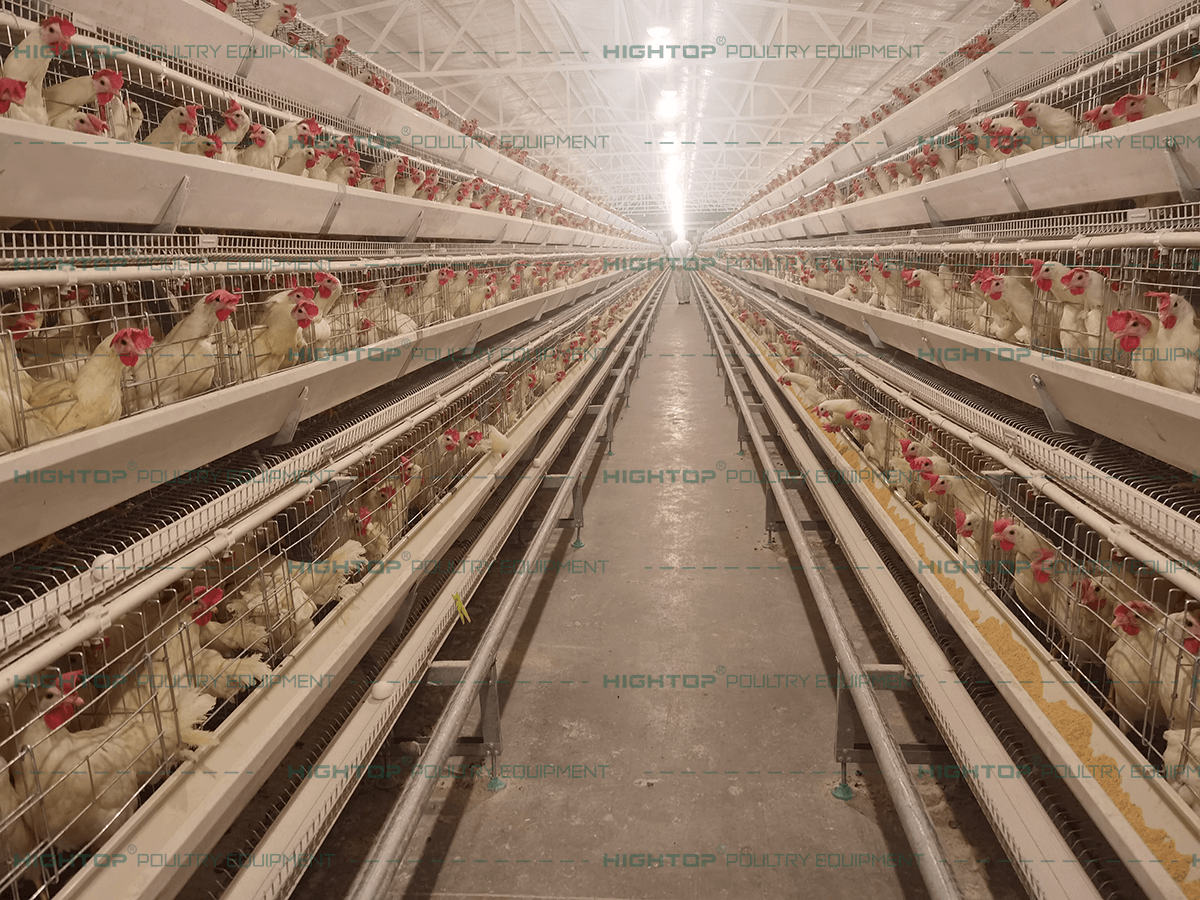
Introduction: Why Late Lay Is Your Profit Watershed
In the layer industry, there is a well-known saying:
“Peak production shows your potential, but late lay shows your profit.”
The peak period (25–40 weeks) is largely determined by genetics and rearing quality. But late lay—from 55 weeks to culling—is where management truly separates successful farms from the rest. Whoever can keep production stable, reduce mortality, and maintain egg quality during this phase will harvest the real profits in those final months.
However, the reality is challenging. After 55 weeks:
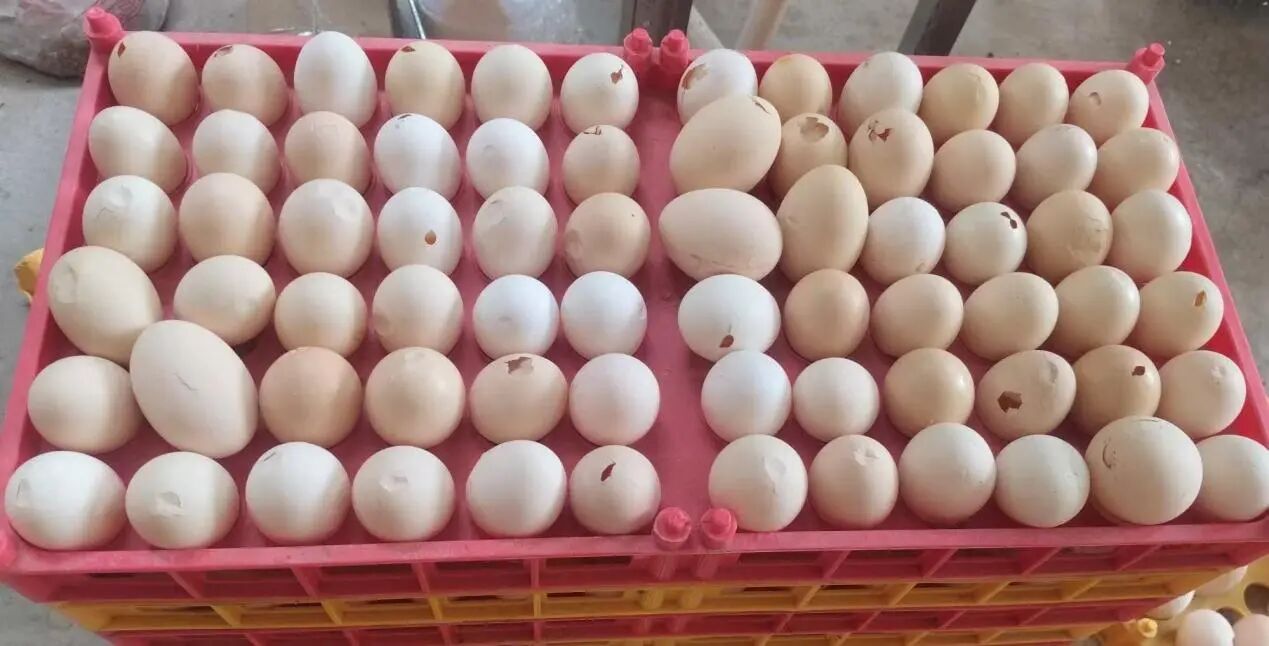
- Ovarian function declines—egg production slowly drops, egg size increases, leading to more prolapses and cracked eggs.
- Digestive efficiency decreases—calcium and phosphorus utilization falls, resulting in thinner eggshells and more sandy-shell or blood-stained eggs.
- Immunity weakens—hens become prone to salpingitis, intestinal disorders, and respiratory diseases, increasing mortality.
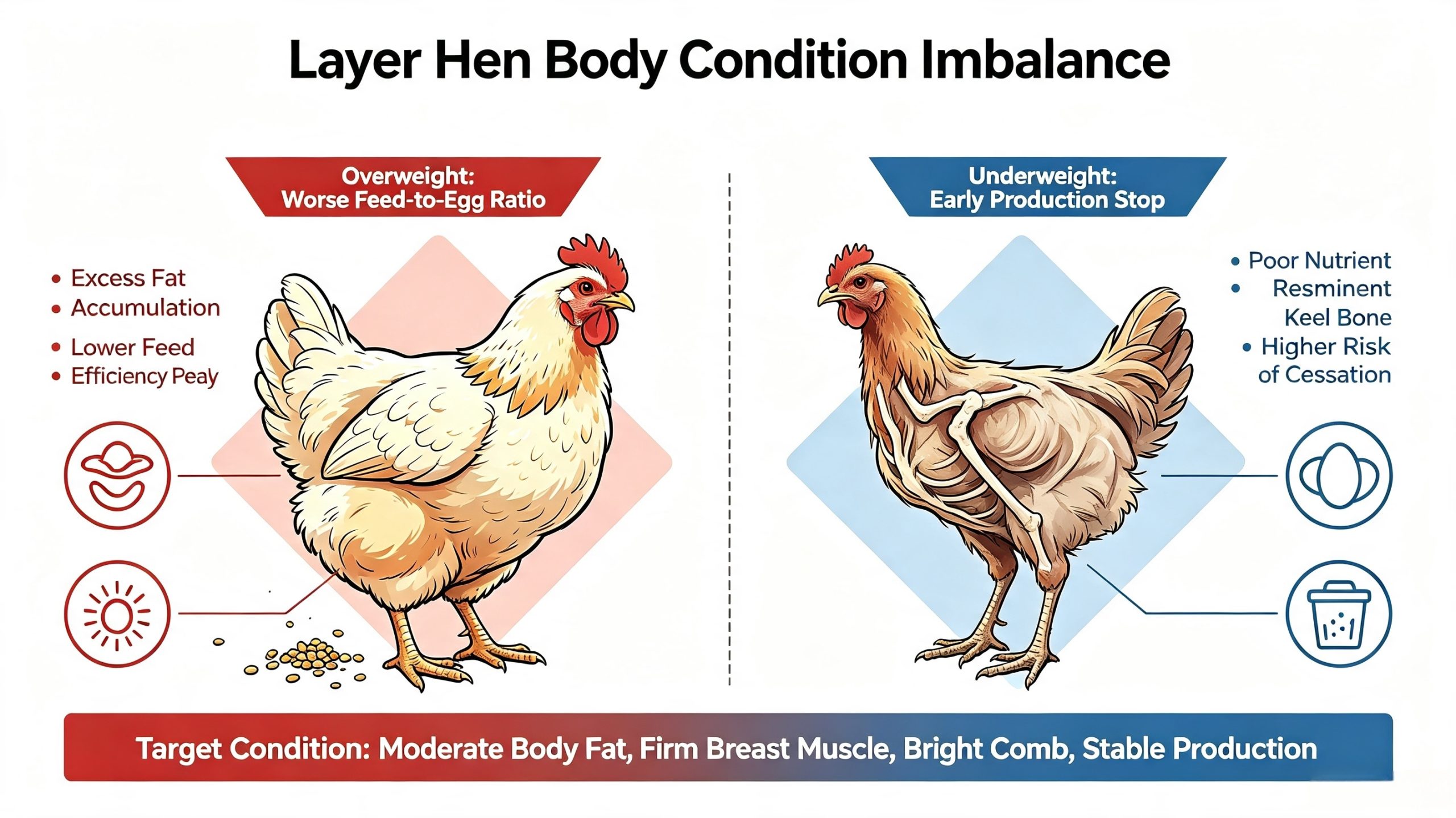
- Body condition becomes unstable—birds either become overweight (reducing feed efficiency) or underweight (causing early cessation of laying).
Late lay is both a profit watershed and a management challenge. By focusing on the five key areas below, farms can extend the productive period and unlock another wave of profit.
Automation is no longer a luxury during this stage—it becomes an essential precision management tool.
1. Optimize Feed Nutrition for Late-Lay Hens
Late-lay hens are no longer young birds that can convert any feed into eggs efficiently. Their metabolism slows, requiring more precise nutritional management.
Lower Protein, Raise Calcium
- Crude protein: Reduce to 15.5%–16% to avoid overloading the liver and kidneys.
- Calcium: Increase to 3.8%–4.0%, with at least 70% supplied by coarse limestone particles for sustained nighttime shell formation.
- Available phosphorus: Maintain 0.32%–0.35% to achieve the proper calcium-to-phosphorus ratio.
Boost Vitamins and Trace Minerals
Strengthen vitamin A, D₃, E, and C supplementation. Increase organic zinc and manganese by 20%–30% to improve oviduct health and eggshell density.
Premium premixes containing 25-hydroxy vitamin D₃ and organic trace minerals help reduce eggshell breakage during late lay.
Support Gut and Liver Health
Regularly supplement:
- Probiotics
- Multi-enzyme preparations
- Mycotoxin binders
Periodic liver, kidney, and oviduct conditioning using coated sodium butyrate, herbal extracts, probiotics, and bile acids can significantly reduce mortality.
Follow the 3–5 Day Feed Transition Rule
Never change feed abruptly. Always allow 3–5 days for feed transition to minimize stress and mortality.
2. Master Environmental Control
Late-lay hens have lower immunity and are extremely sensitive to environmental fluctuations.
Temperature and Ventilation
- Maintain house temperature at 18–23°C.
- Daily fluctuation should not exceed 3°C.
- Summer: Keep temperatures below 28°C.
- Winter: Prevent drafts and cold spots.
Ventilation should always take priority over excessive heat retention. Keep ammonia concentration below 10 ppm to reduce respiratory disease.
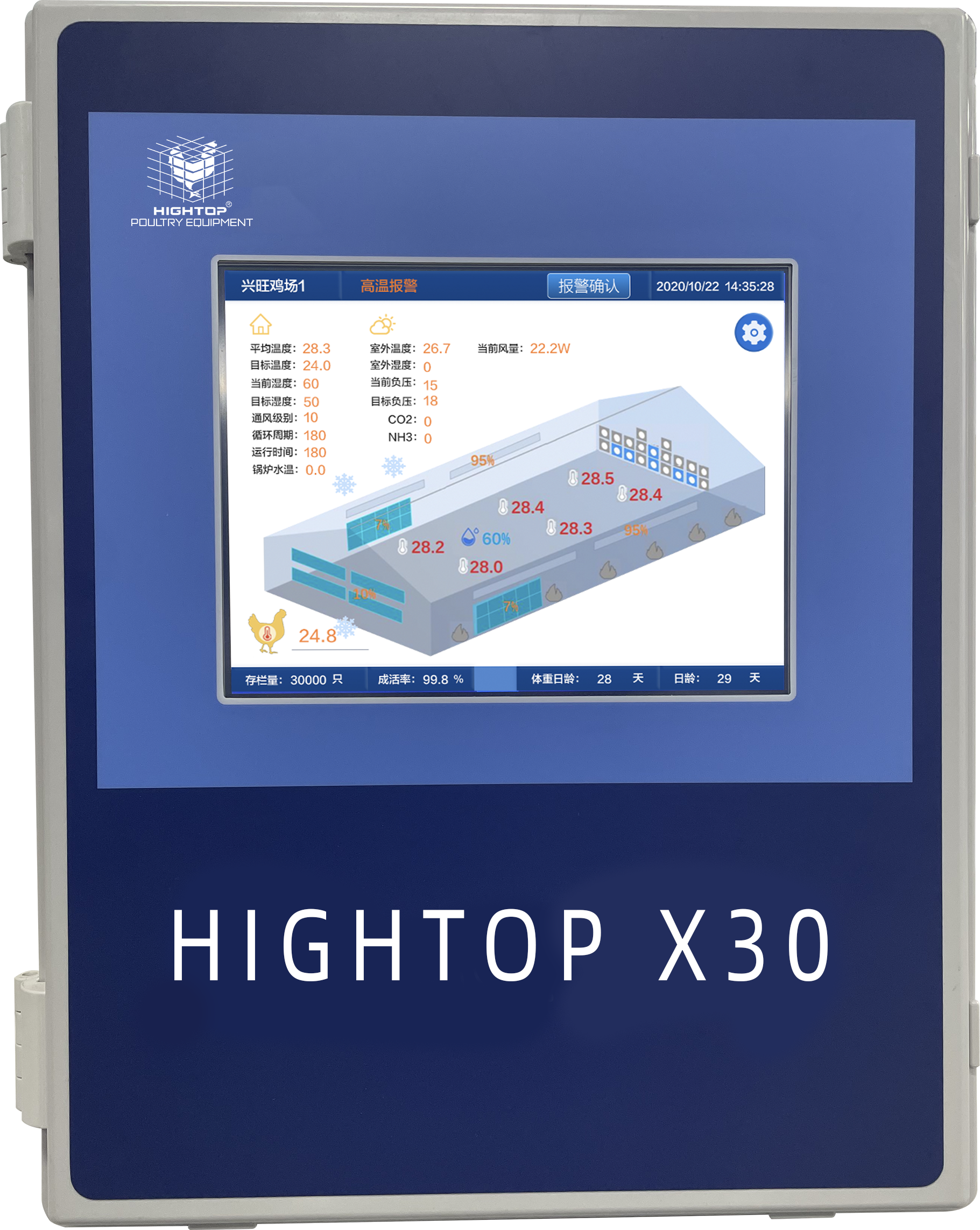
Caption: HIGHTOP intelligent controller automatically adjusts ventilation, cooling pads, and heating according to real-time environmental data.
Strict Lighting Management
Maintain 16–16.5 hours of light throughout late lay.
- Never reduce lighting duration.
- Keep lighting schedules fixed.
- Avoid sudden changes in light intensity.
Stable lighting acts as the primary regulator of laying performance.
Caption: Simulated sunrise and sunset reduce stress while maintaining consistent laying performance.
Water Quality and Feeding Schedule
Provide clean drinking water at all times and flush waterlines regularly to remove biofilm.
Feed hens 3–4 times daily, with additional feed in the evening to support nighttime eggshell formation.
Regularly spread feed evenly and clean feed troughs to prevent spoilage.
3. Implement Proactive Flock and Health Management
As hens age, individual production differences become more apparent.
Monitor Body Condition and Cull Promptly
- Weigh sample birds monthly.
- Remove underperforming hens promptly once flock production falls below 80%.
Indicators include:
- Comb color
- Pelvic bone spacing
- Yellow pigment deposition
Removing low-producing hens improves feed efficiency and overall flock performance.
Focus on Disease Prevention
- Prevent salpingitis monthly.
- Control mold contamination and fatty liver with choline and B vitamins.
- Maintain vaccination schedules.
- Monitor antibody levels for Newcastle disease and infectious bronchitis.
4. The Four “Never” Rules
Late lay is not the time for unnecessary management changes.
| Rule | Why It Matters |
|---|---|
| ❌ Never shorten lighting duration or change intensity randomly | Lighting controls egg production. |
| ❌ Never change feed abruptly or misuse antibiotics | Gradual transitions reduce stress. Medication should follow veterinary advice. |
| ❌ Never allow damp housing, excessive ammonia, or large temperature fluctuations | These conditions rapidly trigger respiratory disease outbreaks. |
| ❌ Never delay culling low-producing hens | Poor producers consume feed without generating profit. |
5. Leverage Automation for Precision Management
All of the recommendations above require consistency, precision, and timely execution—tasks that become increasingly difficult under manual management.
Challenges of Manual Management
Traditional poultry farms often rely on experience:
- Temperature is estimated.
- Ventilation is adjusted manually.
- Lighting depends on workers.
- Feeding schedules vary.
Small management mistakes can significantly reduce production during late lay.
How Automation Solves the Problem
Automation transforms experience-based management into data-driven precision control.
| Automation System | Function | Benefit During Late Lay |
|---|---|---|
| Smart Environmental Control | Automatically regulates temperature, humidity, ammonia, CO₂, fans, inlets, cooling pads, and heaters | Maintains temperature within ±0.3°C and ammonia at 5–8 ppm, helping maintain laying rates above 95% while reducing operating costs by over 15% |
| Smart Lighting System | Controls lighting duration and simulates sunrise/sunset | Reduces stress and prevents lighting-related production drops |
| Automatic Feeding System | Delivers feed evenly and on schedule | Improves feed conversion and reduces feed-to-egg ratio |
| Automatic Drinking System | Supplies clean water continuously with automatic flushing | Reduces waterborne diseases and supports flock health |
| Automatic Manure Removal | Removes manure daily | Lowers ammonia and improves house air quality |
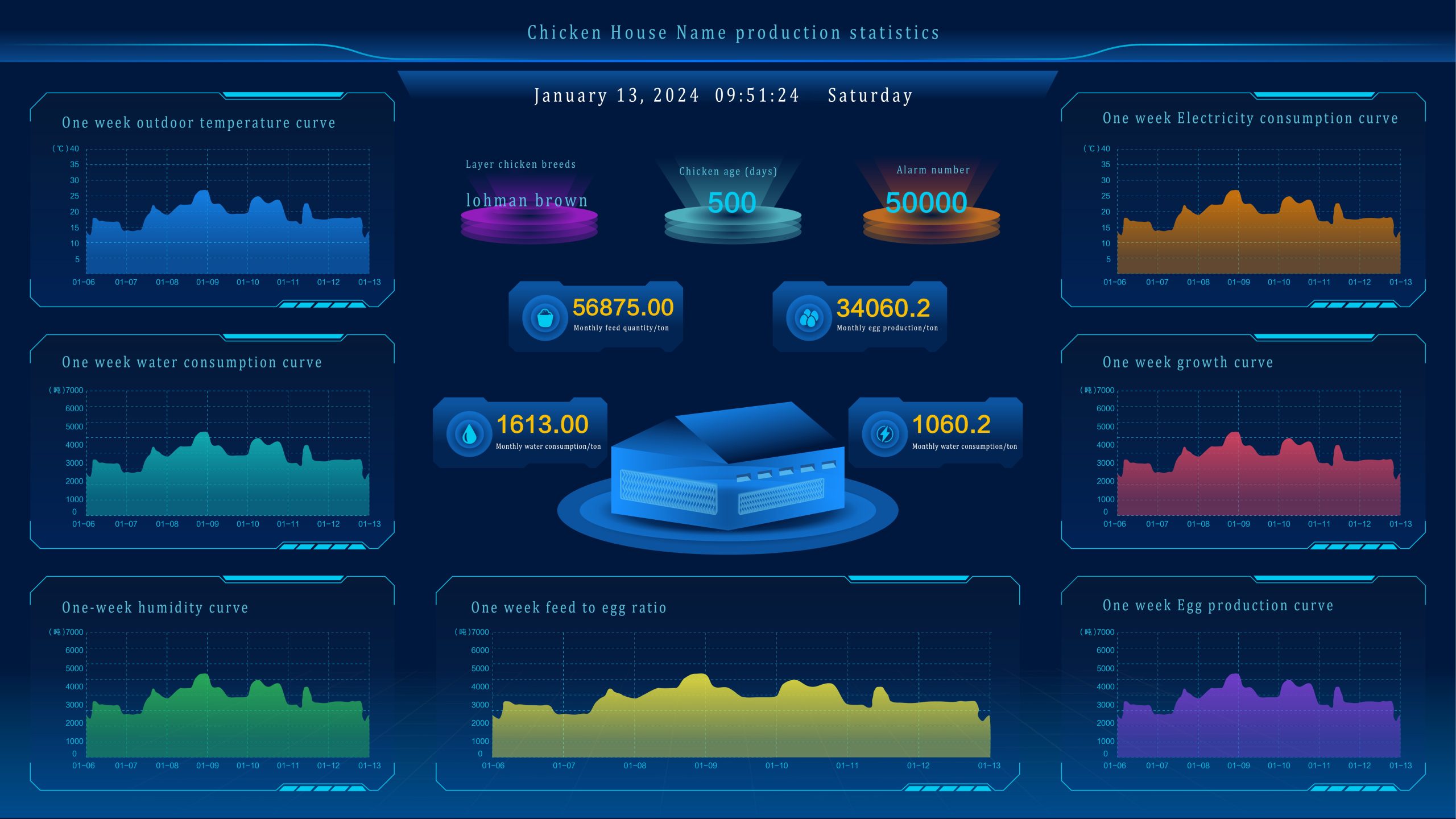
| Data Management Platform | Records production and environmental data in real time | Enables early intervention through automatic alerts |
Conclusion: Invest in Management, Reap the Profits
Late lay is not about accepting lower performance—it is about extending profitability through scientific management.
Successful late-lay management focuses on controlling:
- Feed costs
- Mortality
- Egg quality
- Production decline
Integrated automation transforms poultry farming from experience-based operation into precision management. By combining optimized nutrition, environmental control, disease prevention, and intelligent equipment, farms can extend the productive life of laying hens and maximize overall profitability.
Ready to Customize a Late-Lay Automation Solution for Your House?
Contact us for a free consultation and customized farm design. Our poultry specialists will recommend the most suitable combination of environmental control, feeding, drinking, manure removal, and data management systems according to your farm size, climate, and investment budget.
Let every late-lay hen continue producing profitable “golden eggs.”
Disclaimer
The management recommendations in this article are based on common industry practices and published research. Actual management plans should always be adjusted according to your farm conditions, flock performance, and professional veterinary advice.
Request A Quote
Please contact us or get quote via the contact form below, we’ll get back to you as soon as possible.