Introduction: The Digital Transformation of Poultry Farming
The poultry industry is entering a new era. Rising labor costs, increasing feed prices, stricter biosecurity requirements, and growing market competition are forcing poultry farms to move beyond traditional management methods. Today, successful layer farms are no longer judged solely by flock size—they are measured by how efficiently they collect, analyze, and use production data.
This is where the Internet of Things (IoT) is reshaping modern poultry production.
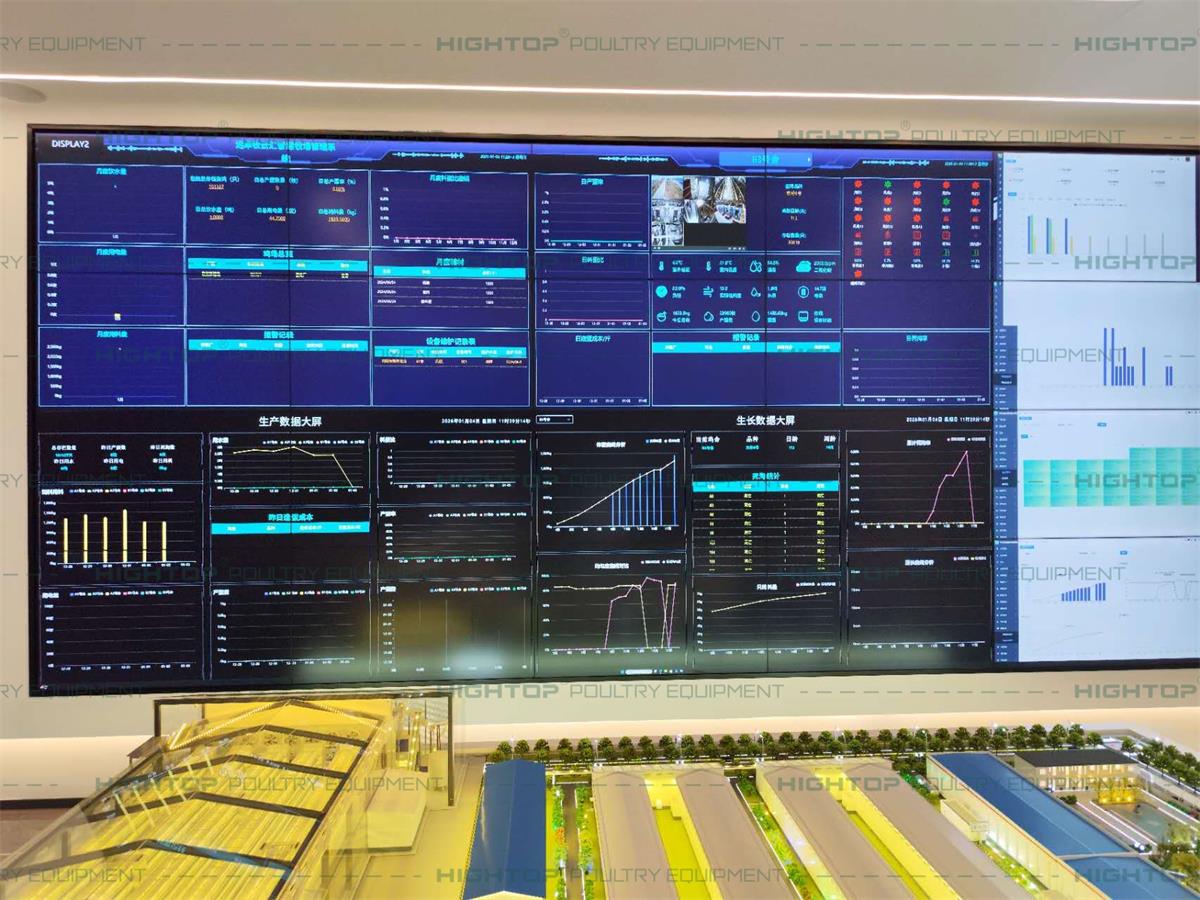
By connecting sensors, automated equipment, cloud platforms, and AI-powered analytics, IoT transforms conventional poultry houses into intelligent production systems capable of monitoring every critical production parameter in real time. Instead of relying on manual inspections and experience-based decisions, farm managers can make data-driven decisions that improve productivity while reducing costs.
However, like any technology, IoT is not a perfect solution for every farm. It offers significant advantages but also introduces new challenges that farmers should understand before investing.
This article explores both the benefits and limitations of IoT technology in modern layer farming and explains why smart management systems are becoming an essential part of commercial poultry production.
What Is an IoT-Based Poultry Farm?
An IoT (Internet of Things) poultry farm is a production system where equipment, sensors, and management software communicate with each other automatically through a network.
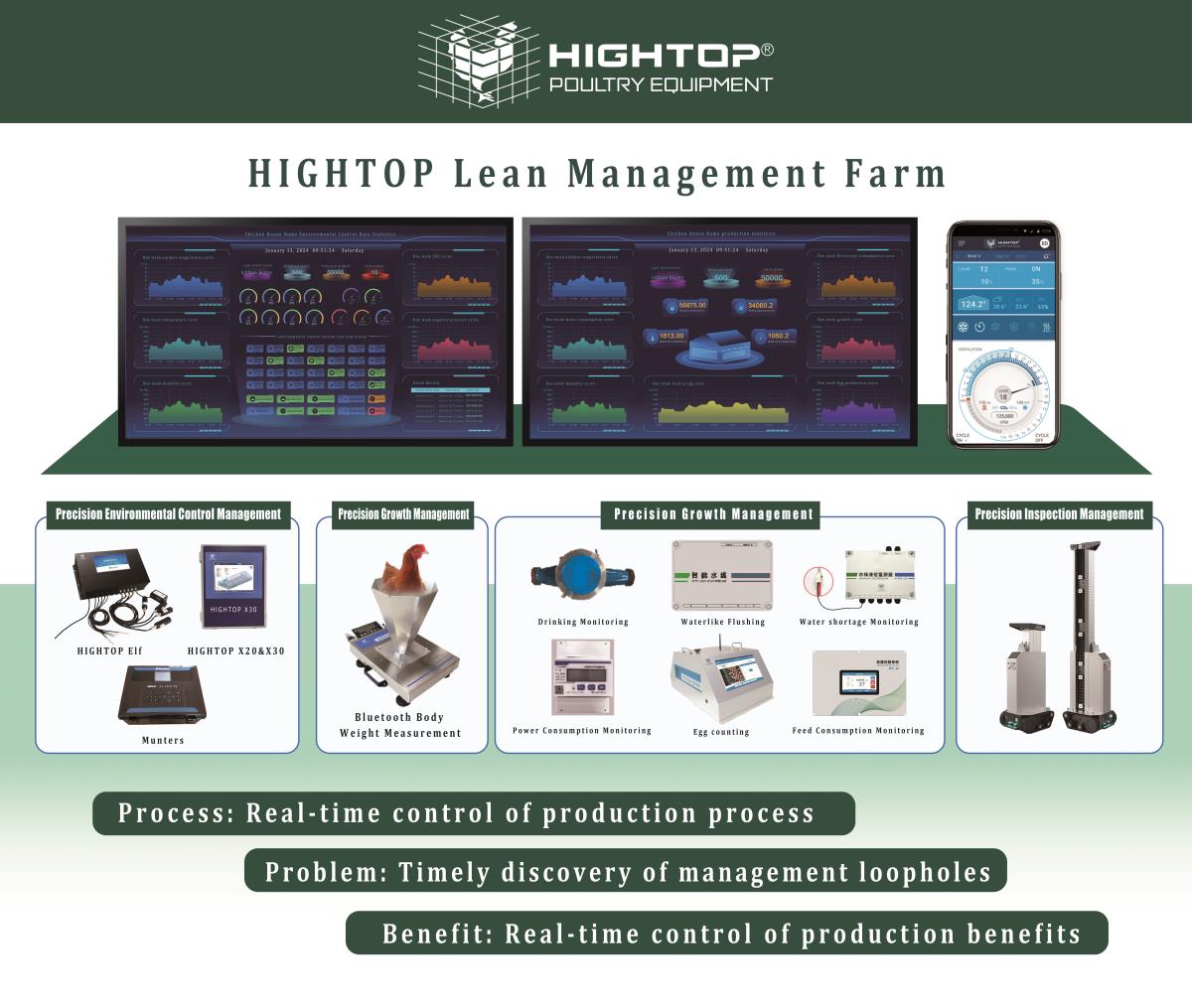
Instead of collecting production information manually, the system continuously gathers data from multiple devices, including:
- Feed consumption
- Water intake
- Egg production
- Environmental conditions
- Power consumption
- Bird growth
- Equipment operating status
These data are uploaded to a cloud platform, where they are analyzed automatically. Farm managers can access real-time production information through computers or mobile devices, enabling faster decisions and more precise management.
Rather than replacing farmers, IoT acts as a digital assistant that works continuously—24 hours a day.
Why Traditional Farm Management Is Becoming Less Efficient
Many layer farms still rely heavily on manual observation and record keeping.
Although experienced farm managers can identify obvious problems, traditional management methods have several inherent limitations.
Delayed Detection of Problems
In many farms, production data are recorded only once or twice a day.
If water consumption suddenly decreases at midnight or ventilation equipment malfunctions early in the morning, managers may not discover the issue until several hours later.
By then, production losses may already have occurred.
Heavy Dependence on Human Experience
Traditional management depends largely on experienced workers.
Different employees often make different judgments regarding:
- Feed adjustment
- Environmental control
- Equipment operation
- Flock health
This inconsistency makes standardized production difficult, especially for large farms operating multiple poultry houses.
Limited Data Visibility
Without digital monitoring, many production indicators remain invisible.
Managers may know:
- Daily egg production
- Feed delivered
- Electricity bills
But they often cannot answer more detailed questions such as:
- Which poultry house has the highest feed efficiency?
- Which flock is consuming less water than expected?
- Which production line is experiencing abnormal egg output?
- Which equipment is consuming excessive electricity?
Without detailed production data, improving efficiency becomes largely a matter of trial and error.
Major Advantages of IoT in Modern Layer Farming
1. Real-Time Production Monitoring
One of the greatest strengths of IoT technology is continuous production monitoring.
Instead of waiting until the end of the day, managers can monitor production throughout every hour.
Modern IoT platforms can automatically collect information such as:
- Feed consumption
- Water usage
- Egg production
- Electricity consumption
- Equipment operation
Every production indicator becomes visible on a single dashboard.
If abnormalities occur, managers receive immediate alerts instead of discovering problems hours later.
This rapid response capability helps minimize production losses.
2. Smarter Feed Management
Feed typically represents over 60% of total production costs on commercial layer farms.
Even small improvements in feed efficiency can generate substantial savings.
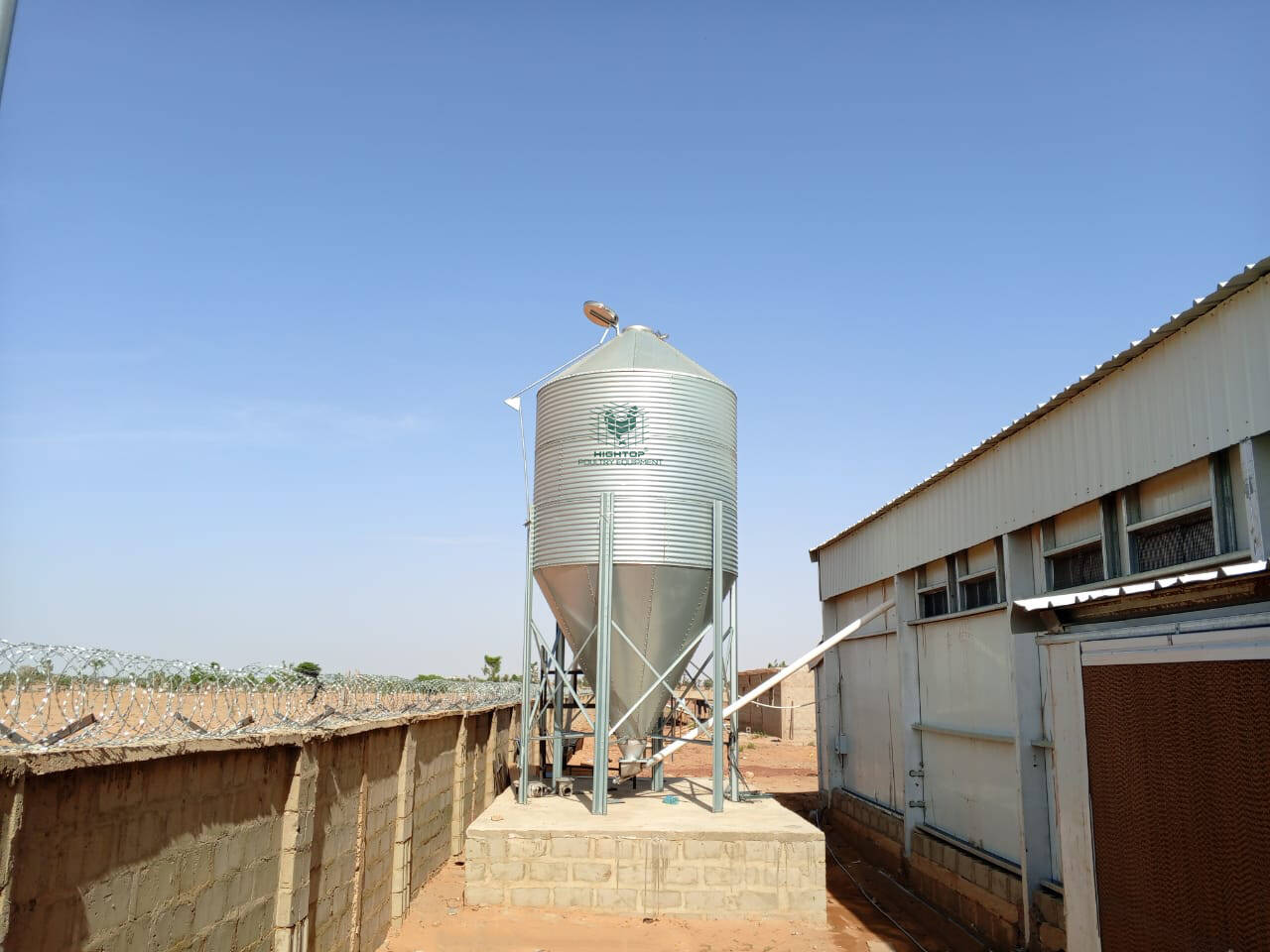
IoT-connected feed silo weighing systems allow farms to monitor:
- Daily feed intake
- Feed inventory
- Feeding trends
- Feed conversion performance
Historical data can also reveal long-term changes in feed efficiency, helping managers adjust nutrition programs based on actual production performance rather than assumptions.
Instead of simply knowing how much feed was purchased, farms gain complete visibility into how feed is actually consumed.
3. Intelligent Water Consumption Analysis
Water intake is often one of the earliest indicators of flock health.
Healthy laying hens generally maintain stable drinking patterns.
A sudden decrease in water consumption may indicate:
- Disease
- Heat stress
- Equipment failure
- Waterline blockage
- Environmental problems
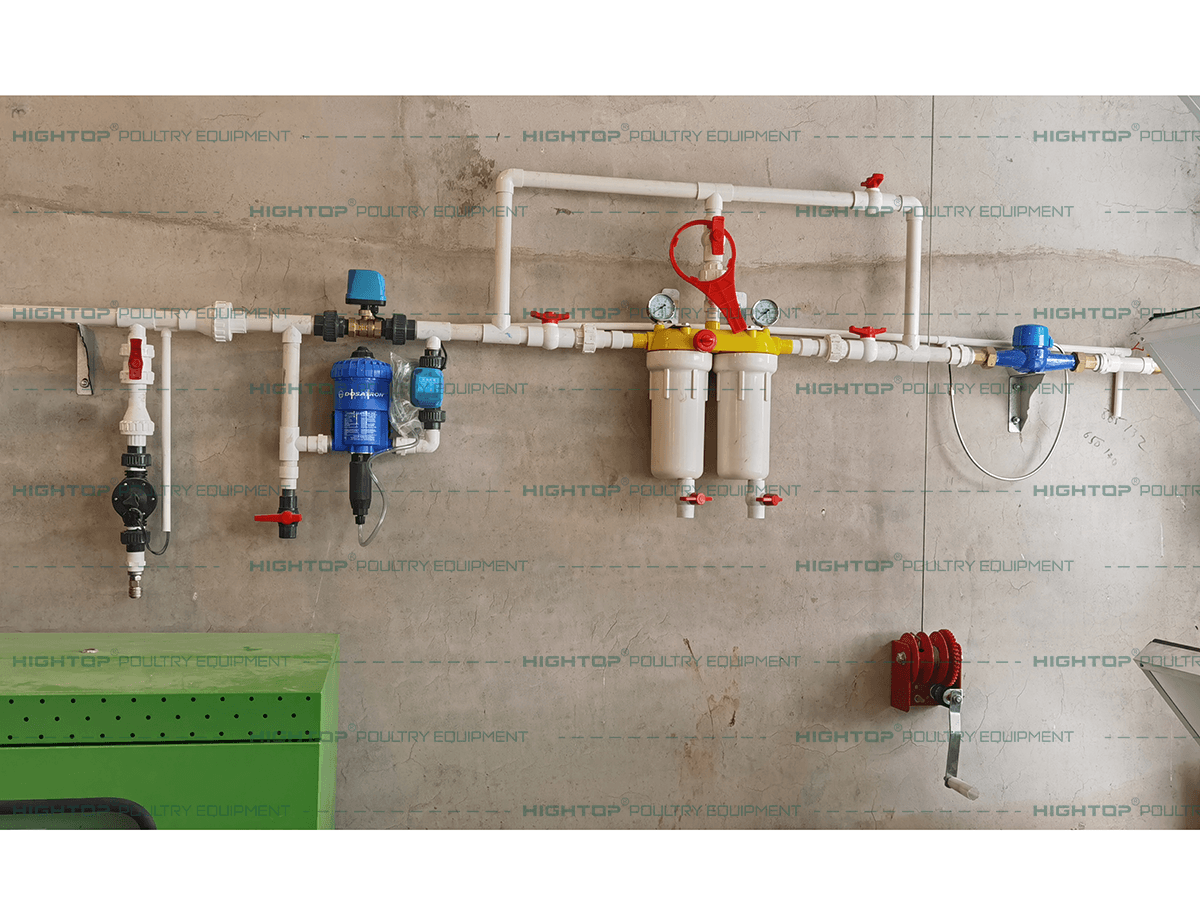
IoT systems continuously monitor water flow through automated water meters and waterline sensors.
Managers can:
- Compare water consumption between poultry houses
- Review historical drinking trends
- Detect abnormal water usage early
- Receive automatic warning notifications
Because changes in water intake often occur before visible clinical symptoms appear, early intervention becomes much easier.
 4. Precision Egg Production Monitoring
Modern IoT systems also improve egg production management through intelligent counting technology.
Instead of relying solely on manual records, automated egg counters provide:
- Real-time production statistics
- Historical production analysis
- House-to-house comparison
- Production trend visualization
- Mobile application synchronization
Some systems can even analyze production at the row or cage level, making it easier to identify underperforming areas within a poultry house.
More accurate production data leads to better management decisions and more effective performance evaluation.
5. Data-Driven Energy Management
Electricity costs continue to rise worldwide.
Ventilation fans, lighting, feeding systems, manure removal equipment, and environmental controllers consume significant amounts of electricity every day.
IoT-enabled power monitoring systems automatically record:
- Equipment operating time
- Daily electricity consumption
- Historical power trends
- Comparative energy analysis
By identifying abnormal energy consumption, farms can optimize equipment operation and reduce unnecessary electricity costs without affecting production performance.
The Future of IoT in Poultry Farming: Smarter, More Predictive, and More Sustainable
As global poultry farming continues to evolve, IoT technology is moving beyond simple automation. The next generation of smart farms will combine artificial intelligence (AI), cloud computing, machine vision, and big data analytics to create fully connected production ecosystems. Instead of simply collecting data, future IoT platforms will help farmers predict problems, optimize management decisions, and maximize long-term profitability.
From Data Collection to Intelligent Decision-Making
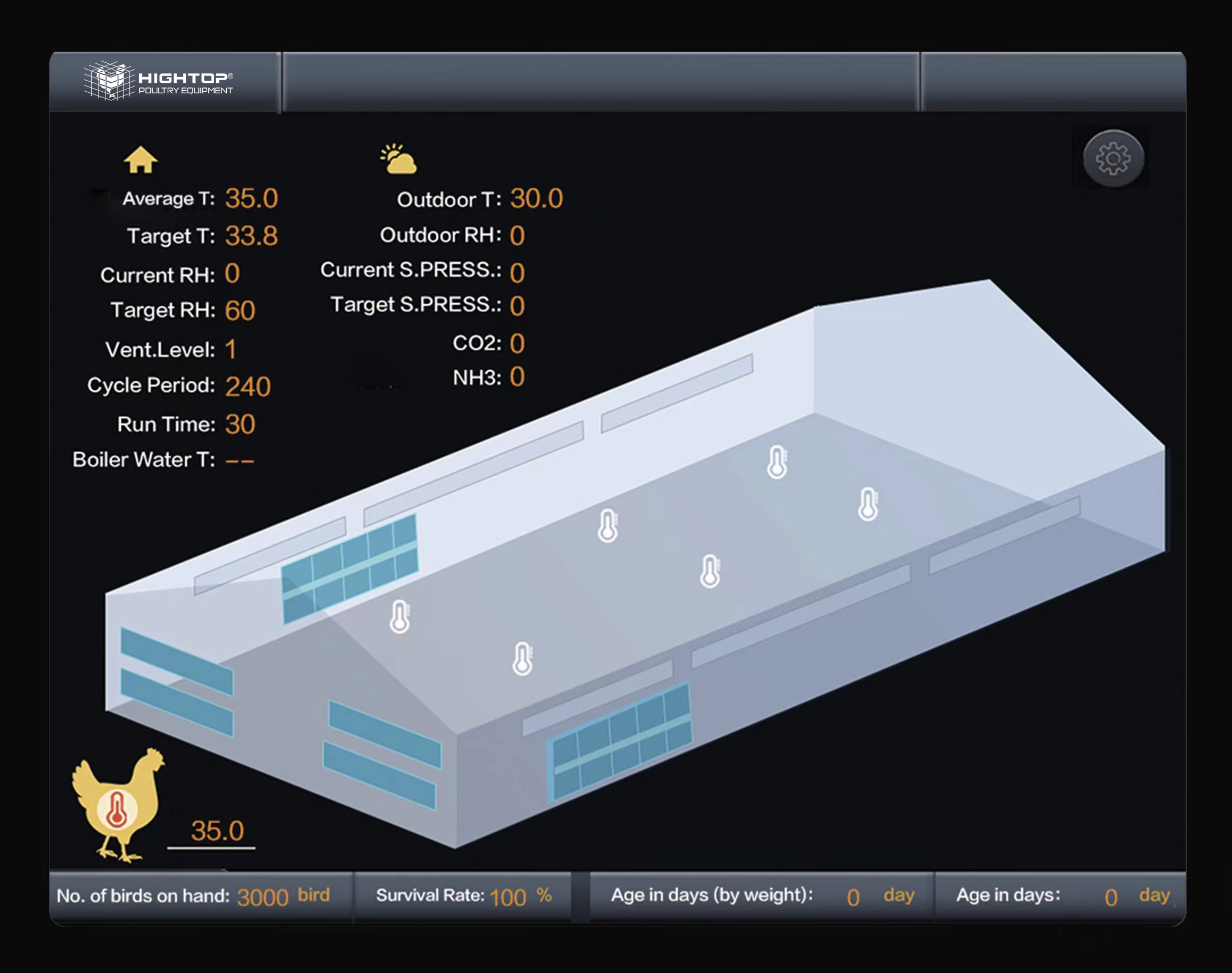
Traditional automation systems execute predefined commands. For example, when the house temperature exceeds a preset value, the ventilation fans automatically start. While this improves operational efficiency, the system still relies on manually configured parameters.
Modern IoT platforms are becoming increasingly intelligent by analyzing large amounts of historical production data.
By integrating information such as:
- Feed consumption
- Water intake
- Egg production
- Environmental parameters
- Bird body weight
- Mortality records
- Equipment operating status
AI algorithms can identify patterns that are impossible to detect manually.
For example, if the system discovers that feed intake has declined by 3%, water consumption has increased by 5%, and house temperature has remained normal, it may predict the early development of intestinal disease before obvious symptoms appear. Farm managers can then intervene immediately instead of waiting until egg production declines several days later.
This transition from reactive management to predictive management represents one of the greatest values of IoT technology.
Intelligent Inspection Replaces Routine Labor
Daily flock inspection has traditionally relied entirely on experienced workers.
They observe:
- Bird activity
- Feather condition
- Feeding behavior
- Mortality
- Environmental abnormalities
However, human inspection becomes increasingly difficult as farm size grows.
Modern inspection robots equipped with cameras, infrared sensors, and AI image recognition are beginning to automate this process.
These intelligent systems can:
- Detect dead birds automatically
- Identify weak or inactive hens
- Locate non-producing birds
- Monitor abnormal movement patterns
- Measure environmental conditions while patrolling
- Generate inspection reports automatically
Rather than replacing experienced staff, these robots allow workers to focus on management decisions instead of repetitive walking and observation.
Cloud-Based Farm Management
Another important trend is cloud integration.
Previously, production data was stored locally inside each poultry house. Farm owners often needed to visit every building to check operating conditions.
Today, IoT platforms synchronize information to cloud servers in real time.
Managers can remotely monitor multiple farms through a computer or smartphone, including:
- Feed inventory
- Water consumption
- Egg production
- Environmental conditions
- Equipment alarms
- Electricity usage
- Historical production reports
For companies operating multiple layer farms across different regions or countries, cloud management greatly improves operational efficiency while standardizing production practices.
Predictive Equipment Maintenance
Unexpected equipment failure is one of the biggest risks in commercial poultry production.
A ventilation fan failure during hot weather or a feeding system breakdown can quickly cause severe production losses.
IoT monitoring continuously records equipment performance, including:
- Motor operating hours
- Power consumption
- Vibration levels
- Running temperature
- Operating efficiency
By analyzing these indicators, the system can predict when equipment requires maintenance before failure occurs.
Predictive maintenance helps farms:
- Reduce emergency repairs
- Extend equipment lifespan
- Lower maintenance costs
- Minimize production interruptions
- Improve overall farm reliability
Supporting Sustainable Poultry Production
Environmental sustainability has become an increasingly important objective for modern poultry farms.
Governments, food companies, and consumers are placing greater emphasis on reducing resource consumption and improving environmental performance.
IoT technology supports these goals through precise resource management.
Examples include:
- Optimizing feed utilization to reduce waste
- Monitoring water consumption to improve efficiency
- Managing ventilation to lower electricity usage
- Reducing unnecessary heating or cooling
- Recording environmental data for compliance reporting
By improving resource efficiency, farms can simultaneously reduce operating costs and environmental impact.
Is IoT Suitable for Every Poultry Farm?
Despite its many advantages, IoT is not a one-size-fits-all solution.
Large commercial farms with tens of thousands of birds usually achieve the greatest return on investment because labor savings and production improvements quickly offset installation costs.
Medium-sized farms may choose modular systems, gradually adding smart devices as production expands.
Smaller family farms may initially adopt only essential technologies such as automatic environmental controllers or feed silo weighing systems before investing in a complete IoT platform.
The key is selecting technologies that match the farm’s production scale, management objectives, and available budget rather than pursuing maximum automation from the beginning.
Choosing the Right IoT Partner
A successful smart poultry farm depends not only on hardware but also on the reliability of the technology provider.
When evaluating an IoT solution, poultry producers should consider:
- System stability and reliability
- Sensor accuracy
- Software usability
- Data security
- Compatibility with existing equipment
- Remote technical support
- Future scalability
An expandable platform allows farms to add new intelligent devices as their business grows without replacing the entire management system.
Conclusion
IoT technology is reshaping the future of commercial poultry farming by transforming traditional experience-based management into intelligent, data-driven decision-making.
Although implementing an IoT system requires investment and technical planning, its long-term benefits—including improved production efficiency, lower labor costs, better flock health, optimized resource utilization, and enhanced management transparency—make it one of the most valuable technologies available for modern layer farms.
As artificial intelligence, cloud computing, and smart sensing technologies continue to advance, IoT will become an essential component of competitive poultry production rather than an optional upgrade.
For poultry producers seeking sustainable growth, adopting smart management technologies is no longer simply about automation—it is about building a more efficient, profitable, and resilient farming operation for the future.
Request A Quote
Please contact us or get quote via the contact form below, we’ll get back to you as soon as possible.