High temperature, high humidity and stuffy weather in summer pose the biggest challenge to chicken farming. During this period, chicken flocks are highly susceptible to heat stress, resulting in reduced feed intake, slow growth, fluctuating egg production and decreased immunity.
Slight negligence in management may easily trigger intestinal diseases, mycotoxin poisoning and sporadic deaths, which directly affect farming economic benefits.
To survive the hot season stably and achieve stable production and income, farmers need to follow the climatic characteristics of summer and implement refined daily breeding management by focusing on four key links: environmental regulation, feeding management, disease prevention and stress prevention.
1. Accurately Regulate the Breeding Environment to Avoid Hidden Heat Stress
High temperature and high humidity are the core causes of damage to chicken flocks in summer. Most farmers only pay attention to visible high temperature but ignore the hidden hazards caused by the superposition of high temperature and high humidity.
This latent heat stress continuously consumes the physical fitness of chickens, gradually reducing their resistance and leading to sporadic deaths and decreased production performance, which is difficult to diagnose in a timely manner.
Therefore, environmental management should adhere to the principles of “cooling first, ventilation and dehumidification, and scientific temperature control.”
1.1 Improve Chicken House Shading and Heat Insulation
First of all, chicken coops should be well shaded and heat-insulated.
Thick sunshade nets shall be laid on the roof and surrounding areas with proper extension to block direct sunlight in the morning and evening, reduce heat accumulation in the coop, and lower the indoor temperature from the source.
It is forbidden to open large air outlets for direct cold wind blowing or conduct large-scale water spraying for cooling at noon under high temperature. The sudden temperature difference will cause stress and colds in chickens, and the rapid evaporation of body water may lead to dehydration, even acute death in severe cases.
1.2 Ensure Effective Ventilation and Cooling
Reasonable ventilation is the key to summer chicken farming.
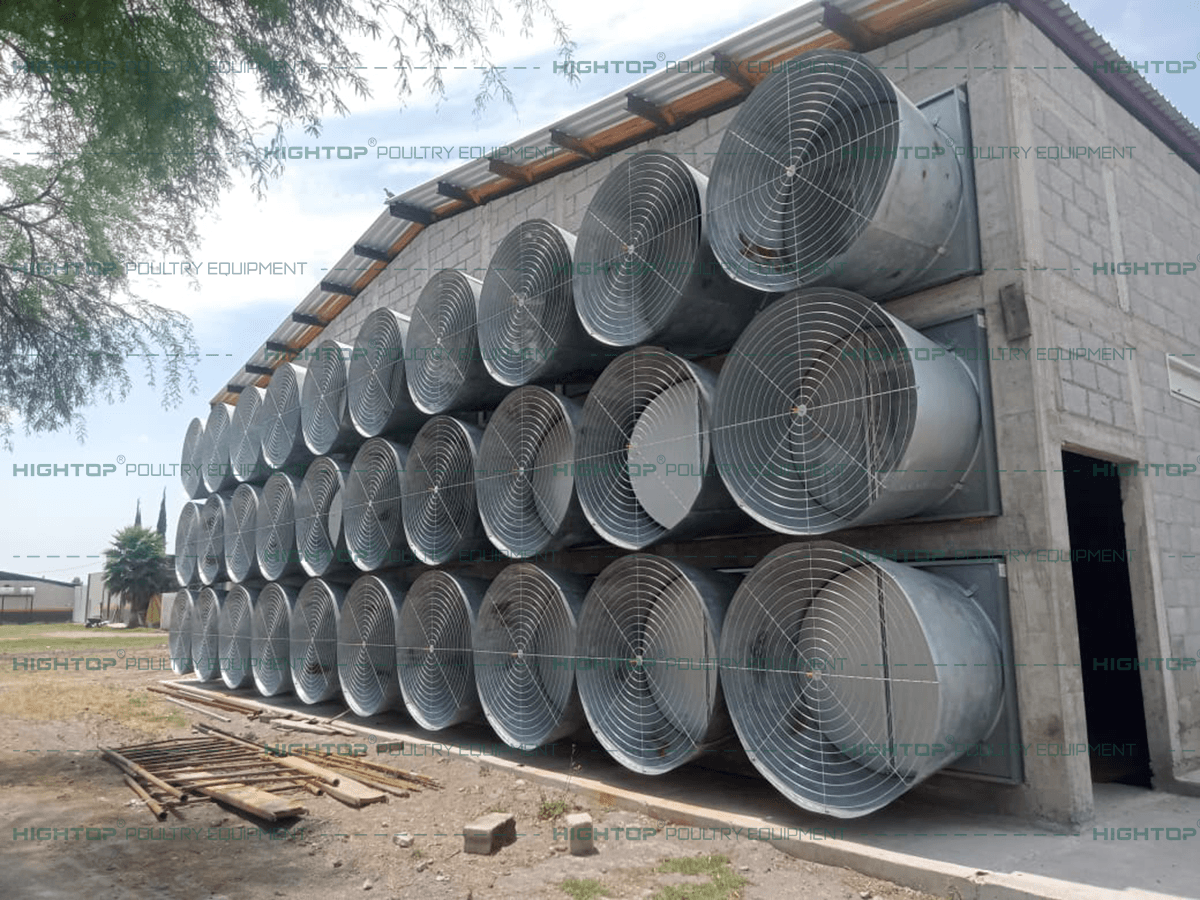
All ventilation equipment including fans, water curtains and ventilation windows shall be inspected in advance, and standby generators shall be prepared to prevent stuffy coops caused by equipment failure.
Scientific ventilation standards shall be implemented:
- Longitudinal ventilation is turned on when the indoor temperature is 25–26°C.
- All fans and water curtain cooling systems are activated when the temperature exceeds 28°C.
- Continuous ventilation can discharge hot and humid air, ammonia and other harmful gases to keep the indoor air fresh.
In addition, the breeding density should be appropriately reduced, and weak and disabled chickens should be eliminated in a timely manner to avoid crowding and poor heat dissipation, thus reducing the risk of group heat stress.
2. Optimize Feeding and Drinking Water Management to Ensure Nutrient Intake
High temperature changes the physiological metabolism of chickens. Heat dissipation consumes a lot of physical energy, and chickens will actively reduce feed intake.
Adopting conventional feeding modes will lead to insufficient nutrient intake, slow growth and decreased egg production.
The core of summer feeding management is “staggered feeding time, strict feed control and sufficient water supply.”
2.1 Adjust Feeding Times to Avoid Peak Heat
Adjust the feeding schedule to avoid the high-temperature period from 10 a.m. to 4 p.m.
Feeding is preferably carried out:
- Before 8 a.m.
- After 5 p.m.
- During cool nighttime hours
Proper supplementary night feeding can increase feed intake.
Feeding during high temperature will increase metabolic heat production of chickens, and staggered feeding can effectively reduce body heat accumulation and lower physical burden.
2.2 Prevent Feed Moisture and Mycotoxin Problems
Clean the feed troughs every day to remove residual feed, prevent feed from getting damp and mildewed under high temperature, and avoid intestinal damage caused by mycotoxins.
Optimize the nutritional structure of feed dynamically. Appropriately reduce the crude fiber content and adjust the ratio of energy and protein.
Adding 1%–2% vegetable oil to replace part of corn can reduce metabolic heat production of chickens.
2.3 Use Anti-Stress Nutritional Support
Anti-stress additives such as vitamin C, vitamin E and betaine can be properly added to feed or drinking water to improve the heat resistance and anti-stress ability of chickens and relieve physical consumption caused by high temperature.
2.4 Maintain Clean and Sufficient Drinking Water
Drinking water management is an easily neglected key point in summer, and hidden hazards of polluted drinking water are more concealed and harmful than feed problems.
Sufficient clean and cool water shall be supplied throughout the day, and overheated water exposed to sunlight is prohibited.
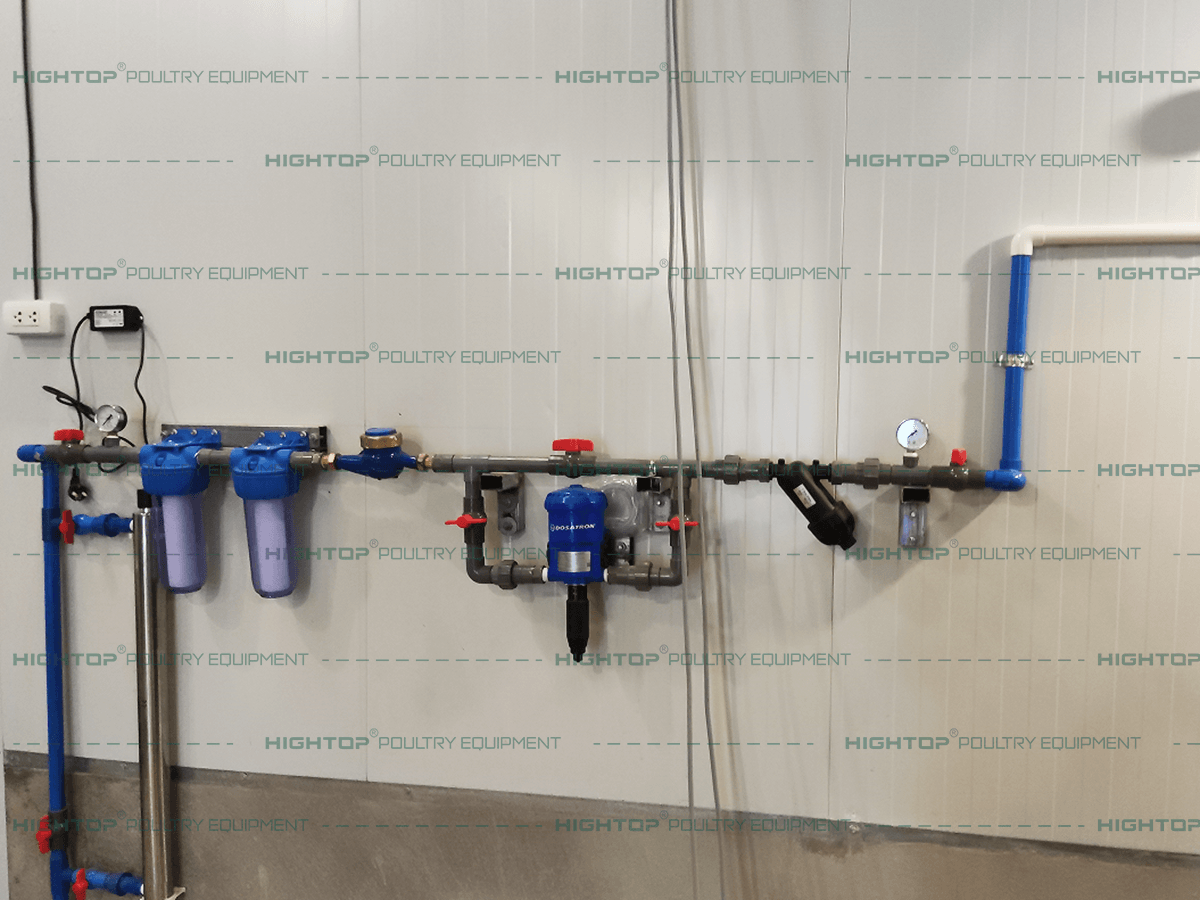
Clean water lines and drinkers every day and disinfect the drinking water system regularly to prevent bacterial and algal growth in water, so as to avoid group diarrhea and intestinal inflammation caused by polluted drinking water.
Drinking water hygiene management should be attached the same importance as feed management.
3. Focus on High-Incidence Summer Diseases and Strengthen Prevention
The high-temperature and high-humidity environment in summer is a peak period for mold growth, mosquito breeding and pathogen transmission.
This can lead to a high incidence of chicken intestinal diseases, coccidiosis, mycotoxin poisoning and mosquito-borne diseases.
Summer is therefore a critical period for chicken disease prevention and control. Breeding management shall adhere to the policy of “prevention first, combination of prevention and control” and focus on key disease prevention points.
3.1 Prevent Mycotoxin Contamination
Priority should be given to the prevention and control of mycotoxin hazards.
Feed shall be stored in dry and ventilated areas to avoid dampness and mildew, and mildewed feed is strictly forbidden.
Regular addition of mold remover to feed can reduce mycotoxin intake and protect the liver and intestinal function of chickens.
3.2 Protect Intestinal Health
High temperature increases the water intake and intestinal burden of chickens, which easily causes diarrhea and undigested feed in feces.
It is necessary to regulate intestinal flora regularly to improve intestinal digestion and absorption capacity and prevent intestinal diseases and coccidiosis.
3.3 Control Mosquitoes and Environmental Pathogens
Meanwhile, strengthen mosquito killing inside and outside the chicken coop.
Clean up ponding and sundries in the breeding area to eliminate mosquito breeding grounds and reduce the risk of disease transmission through mosquito bites.
3.4 Keep the Chicken House Clean and Dry
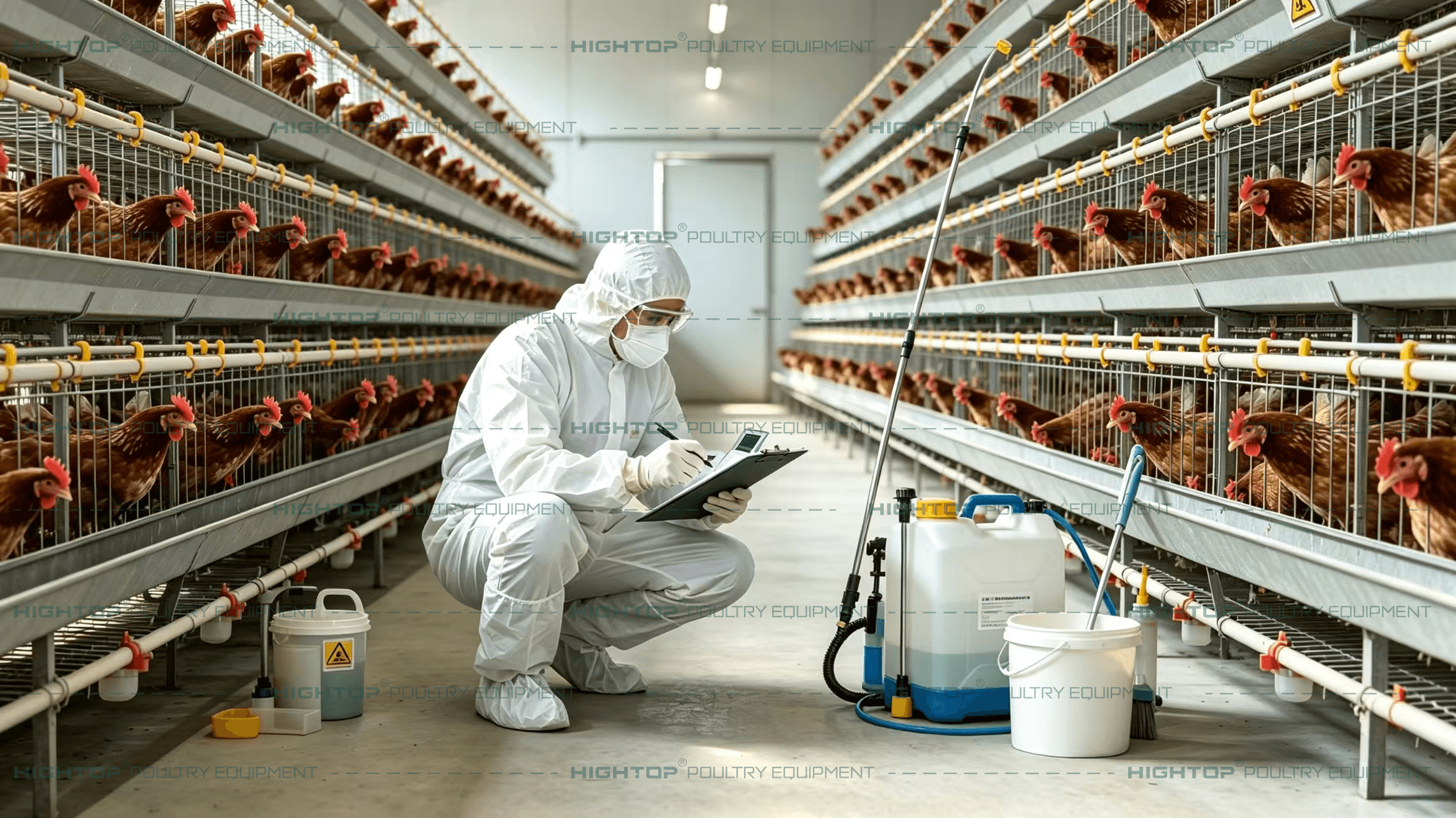
Clean the chicken coop daily and conduct comprehensive disinfection regularly.
Remove chicken manure in a timely manner to prevent pathogen breeding and ammonia accumulation caused by manure fermentation, keep the coop dry and clean, and block the pathogen transmission path from the environment.
4. Reduce Human-Induced Stress and Implement Refined Daily Management
Chickens are timid and sensitive. In summer, their physical condition is weak and immunity is low.
Frequent stress will further reduce immunity, induce various diseases and affect production performance.
4.1 Reduce Unnecessary Human Disturbance
In daily breeding, human disturbance should be minimized, fixed breeding operation procedures should be formulated, and random chasing and catching of chickens should be avoided.
Stressful operations such as flock transfer, grouping and immunization should be reduced unless necessary.
If breeding operations are required, they should be completed in cool morning and evening hours.
4.2 Monitor Flock Condition Every Day
Check the status of chicken flocks regularly every day.
Observe their:
- Feeding condition
- Drinking condition
- Mental state
- Fecal condition
Isolate weak and sick chickens with listlessness, reduced feed intake, diarrhea and dehydration in a timely manner to prevent the spread of diseases.
4.3 Keep Detailed Breeding Records
Keep detailed breeding records, monitor the indoor temperature and humidity in real time, and adjust ventilation, feeding and cooling schemes flexibly according to weather changes to achieve refined dynamic management.
Conclusion
The core of chicken farming in hot summer is not to adjust the breeding mode in a large scale, but to implement detailed and scientific management.
Grasping the four key links of environmental cooling and dehumidification, feeding and drinking water optimization, accurate disease prevention and stress reduction, and avoiding common summer breeding mistakes can effectively reduce chicken mortality and stabilize production performance.
Refined daily management is essential to survive the high-temperature breeding period steadily and maximize the economic benefits of chicken farming.
Request A Quote
Please contact us or get quote via the contact form below, we’ll get back to you as soon as possible.