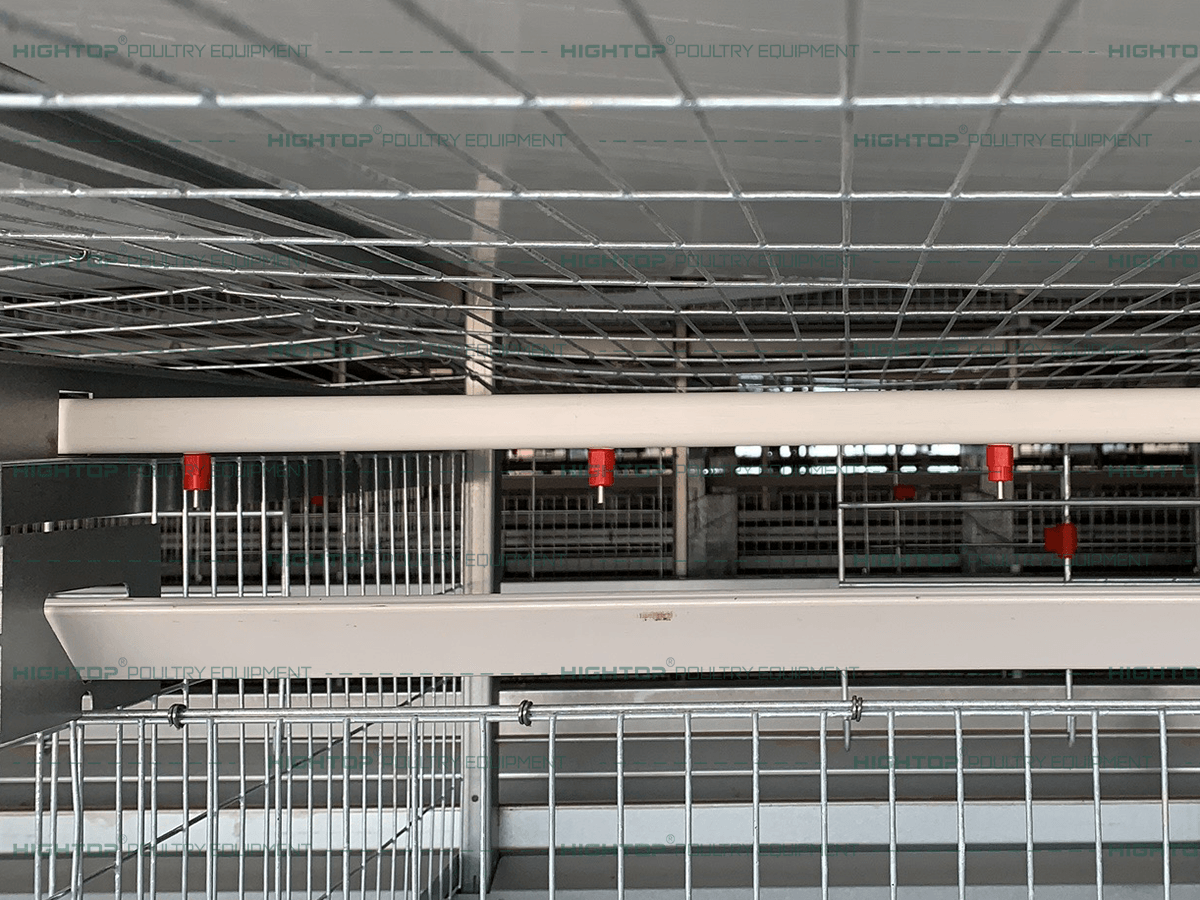
In large-scale laying hen farming, farmers usually focus on core links including feed formulation, temperature and humidity control, and vaccine epidemic prevention, yet tend to overlook the fine detail of drinking water pipeline management. Water serves as the core carrier for the vital activities and metabolism of laying hens, as well as the first line of defense for the intestinal health of chicken flocks.
Relevant farming statistics indicate that more than 80% of bacterial intestinal diseases, chronic diarrhea and indigestion issues in laying hen breeding are closely associated with contaminated drinking water, non-standard waterline operation and maintenance, and unreasonable water supply modes.
Many chicken farms suffer from sporadic diarrhea, unformed manure, poor eggshell quality and slow improvement in laying rate throughout the year. Repeated medication for intestinal conditioning yields little effect. The fundamental cause lies in neglected contamination from hidden bacteria, biofilms and impurities inside waterlines. As a result, chickens continuously ingest unqualified drinking water, leading to repeated irritation of the intestinal mucosa and creating a vicious cycle of “treatment – relapse – re-treatment.”
To fundamentally reduce the incidence of intestinal diseases in laying hens and stabilize farming production capacity, standardized management of laying hen drinking water pipelines is a top priority.
I. Why Waterlines Become the Hidden Source of Intestinal Diseases
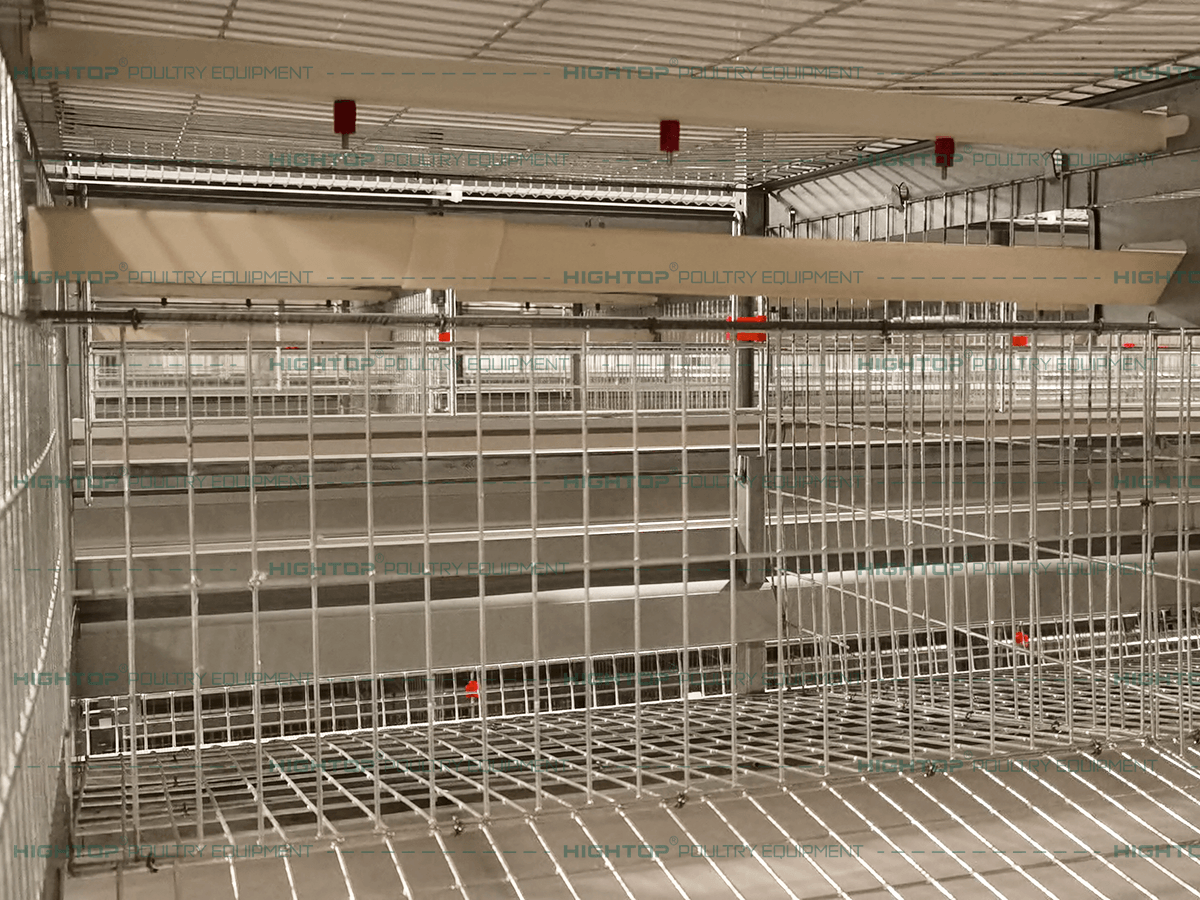
Automated waterlines in large-scale chicken houses operate in a long-term enclosed, humid and dark environment, which is highly prone to the breeding of pathogenic bacteria such as Escherichia coli, Salmonella, and moulds, turning them into breeding grounds for intestinal diseases.
The main contamination issues fall into three categories:
1. Biofilm Accumulation
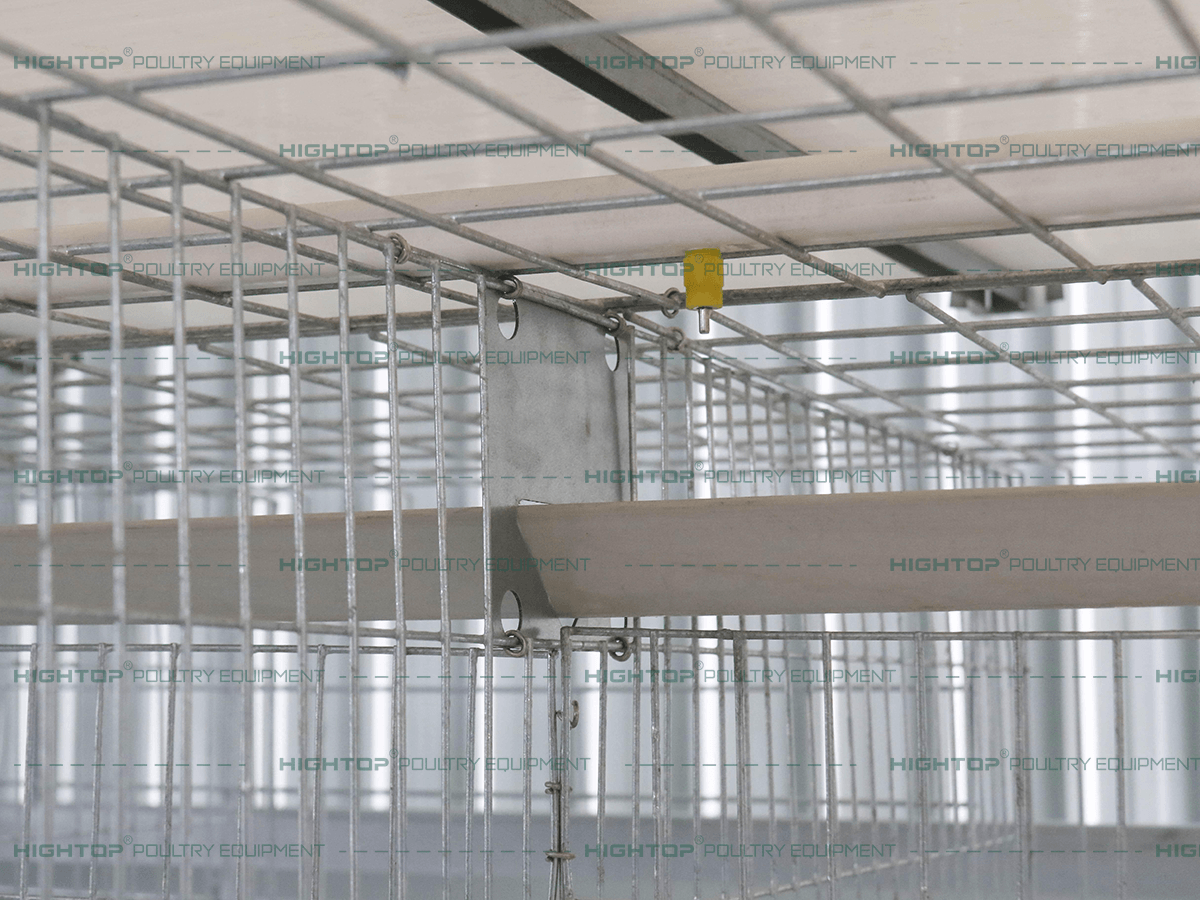
Chicken drinking water contains minerals, feed dust, chicken saliva and shed mucosal tissue. Over time, these substances adhere to the inner walls of pipelines and nipple drinkers, gradually forming sticky biofilms.
Biofilms not only block nipple drinkers and reduce water supply, but also provide an ideal shelter for bacteria. Ordinary flushing with clean water cannot completely remove biofilms, allowing bacteria to multiply continuously and contaminate the water supply.
2. Secondary Water Contamination
Many farms use qualified water sources, but water quality deteriorates during storage and transportation because pipelines are rarely cleaned or disinfected.
During hot seasons, water temperatures inside the pipelines rise rapidly, accelerating bacterial growth. Once chickens consume contaminated water, harmful microorganisms enter the intestinal tract, disrupt gut microflora, and cause:
- Enteritis
- Diarrhoea
- Poor digestion
- Undigested feed in manure
3. Improper Water Supply Management
Incorrect water pressure, leaking nipple drinkers, blocked nipples, and stagnant water inside pipelines all contribute to poor drinking conditions.
These problems result in:
- Uneven water intake
- Water deterioration
- Increased house humidity
- Mold growth
- Reduced intestinal immunity
II. Common Waterline Management Mistakes on Poultry Farms
Before establishing standardized management, farms should avoid several common mistakes that continuously increase intestinal disease risks.
1. Cleaning Water Tanks but Ignoring Pipelines
Many farms regularly clean water towers but overlook enclosed pipelines, nipple drinkers, tees and filters.
As a result, bacteria continue accumulating inside the pipelines throughout the production cycle.
2. Using Only Routine Water Disinfection
Routine disinfectants kill free bacteria but cannot effectively remove biofilms.
Without biofilm removal, bacteria quickly recolonize the pipeline, making repeated disinfection ineffective.
3. Using One Water Pressure Throughout the Entire Production Cycle
Water demand changes significantly during different growth stages.
- Chicks require lower water pressure.
- Growing birds require gradually increased pressure.
- Laying hens require stable water pressure.
Using one fixed pressure throughout the cycle can lead to poor water intake, splashing, leakage and excessive moisture inside the poultry house.
4. Neglecting Waterline Cleaning During Empty House Periods
After flock removal, many farms fail to thoroughly flush and disinfect the waterline system.
Residual bacteria remain inside the pipelines and directly infect the next flock, increasing the risk of cross-contamination.
III. Full-Cycle Standardized Waterline Management
According to the drinking requirements of laying hens at different production stages, standardized waterline management should focus on three key areas:
- Precise water pressure regulation
- Routine cleaning
- Regular disinfection
These practices effectively reduce intestinal disease incidence and improve flock performance.
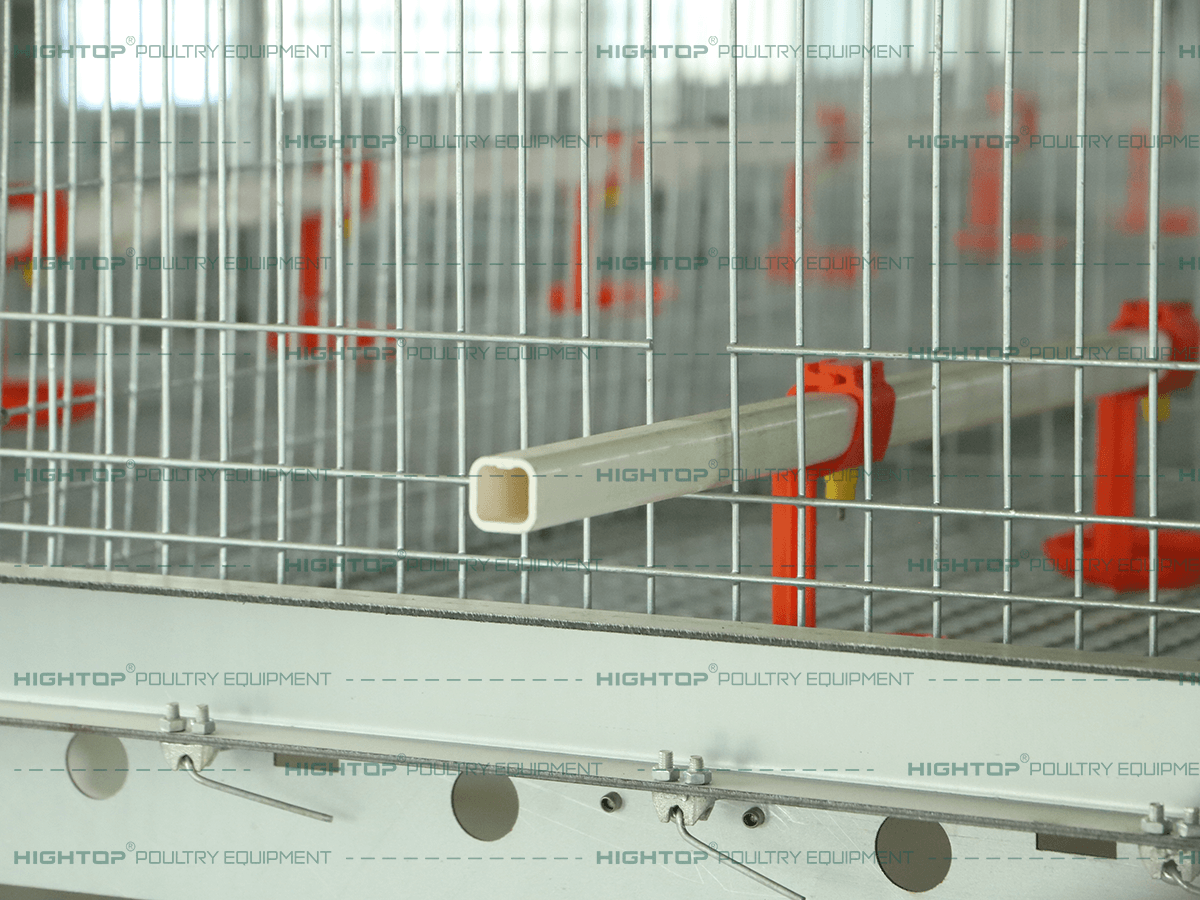
1. Precise Water Pressure Regulation Throughout the Entire Growth Cycle
Proper water pressure ensures every bird receives sufficient clean water.
Brooding Stage
During brooding, chicks have weak beaks and limited drinking ability.
Water pressure should remain low to provide gentle water flow without splashing, preventing choking and excessive moisture around the drinkers.
Growing Stage
As birds grow, water pressure should gradually increase to satisfy higher water consumption.
Peak Laying Stage
During peak production, water pressure should remain stable without frequent fluctuations.
Daily inspections should also include:
- Checking blocked nipples
- Replacing leaking nipple drinkers
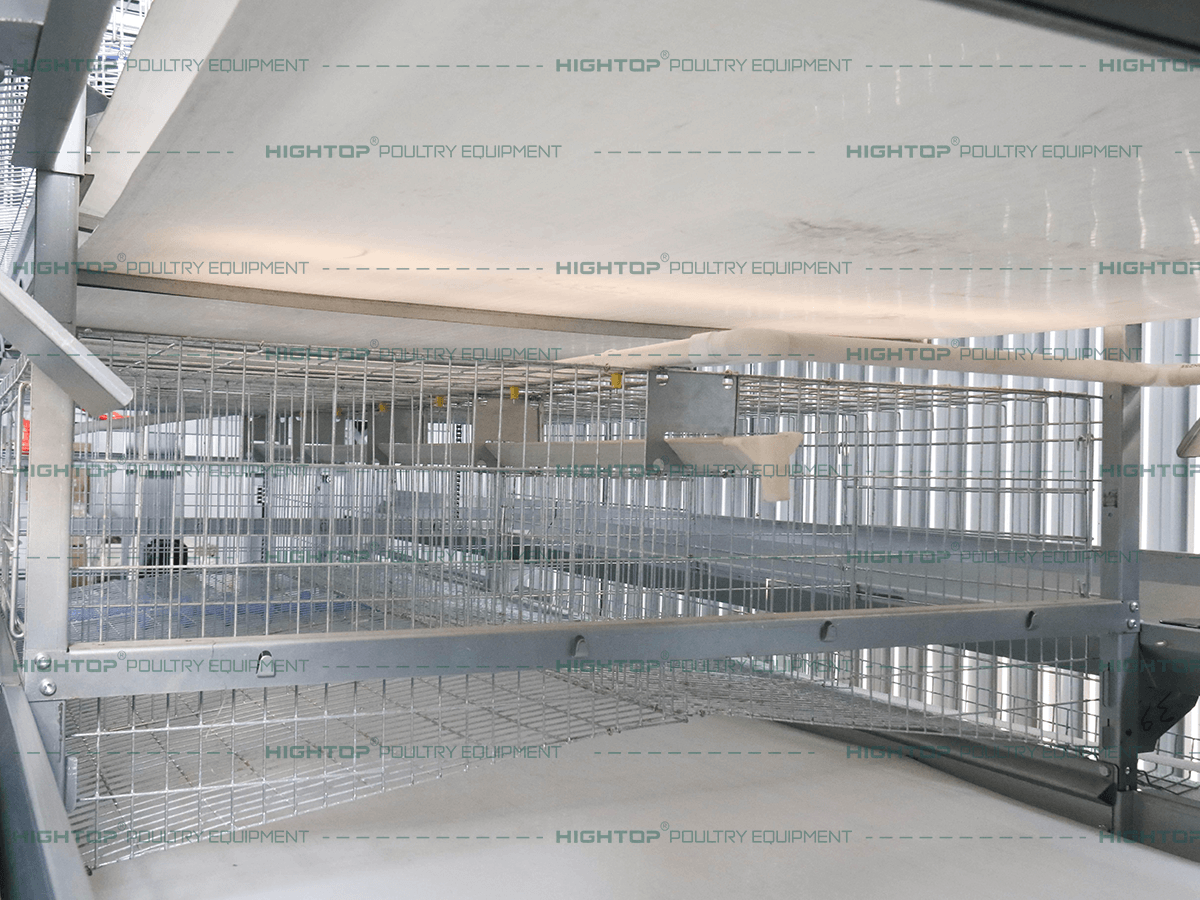
- Eliminating water accumulation around cages
Stable water intake helps prevent metabolic disorders caused by dehydration.
2. Routine Cleaning to Prevent Dirt Accumulation
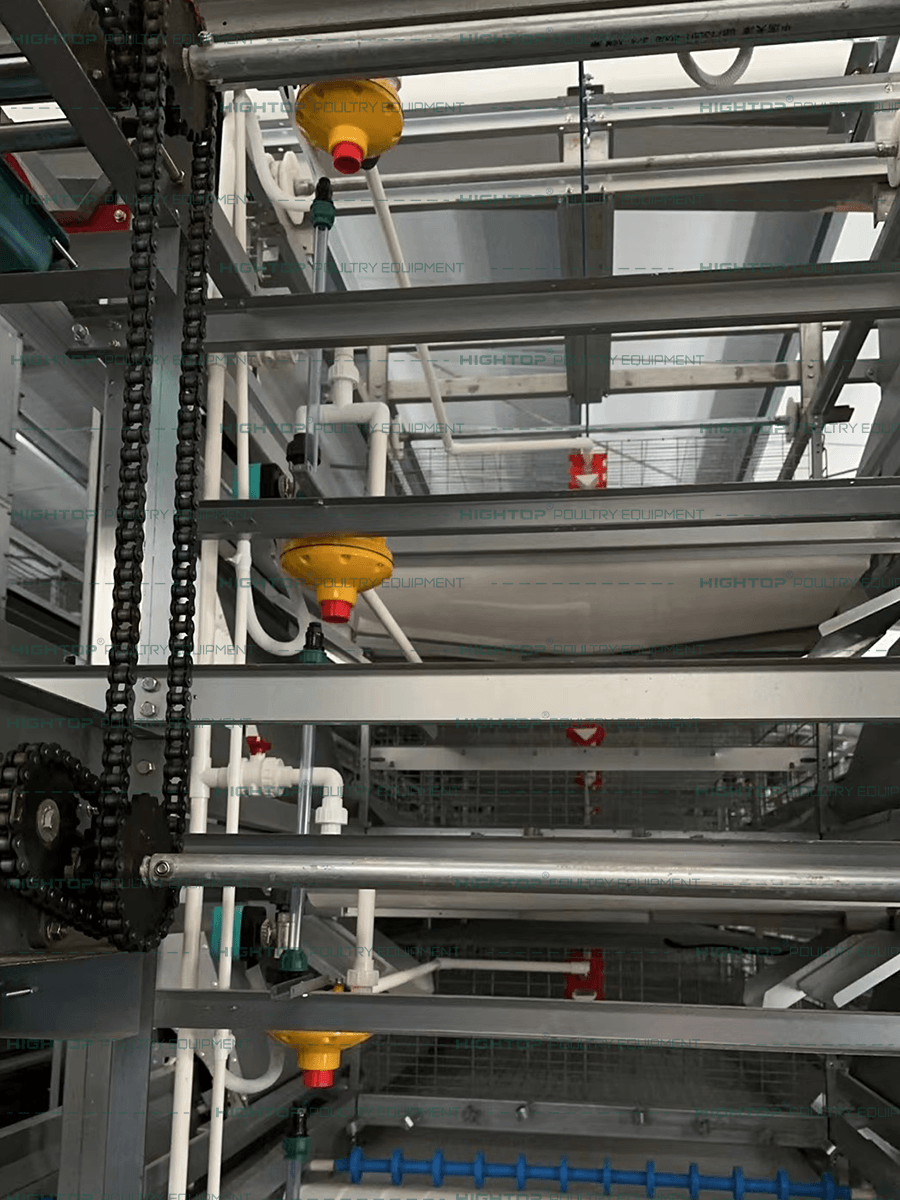
A standardized cleaning schedule should include both daily and weekly maintenance.
Daily Maintenance
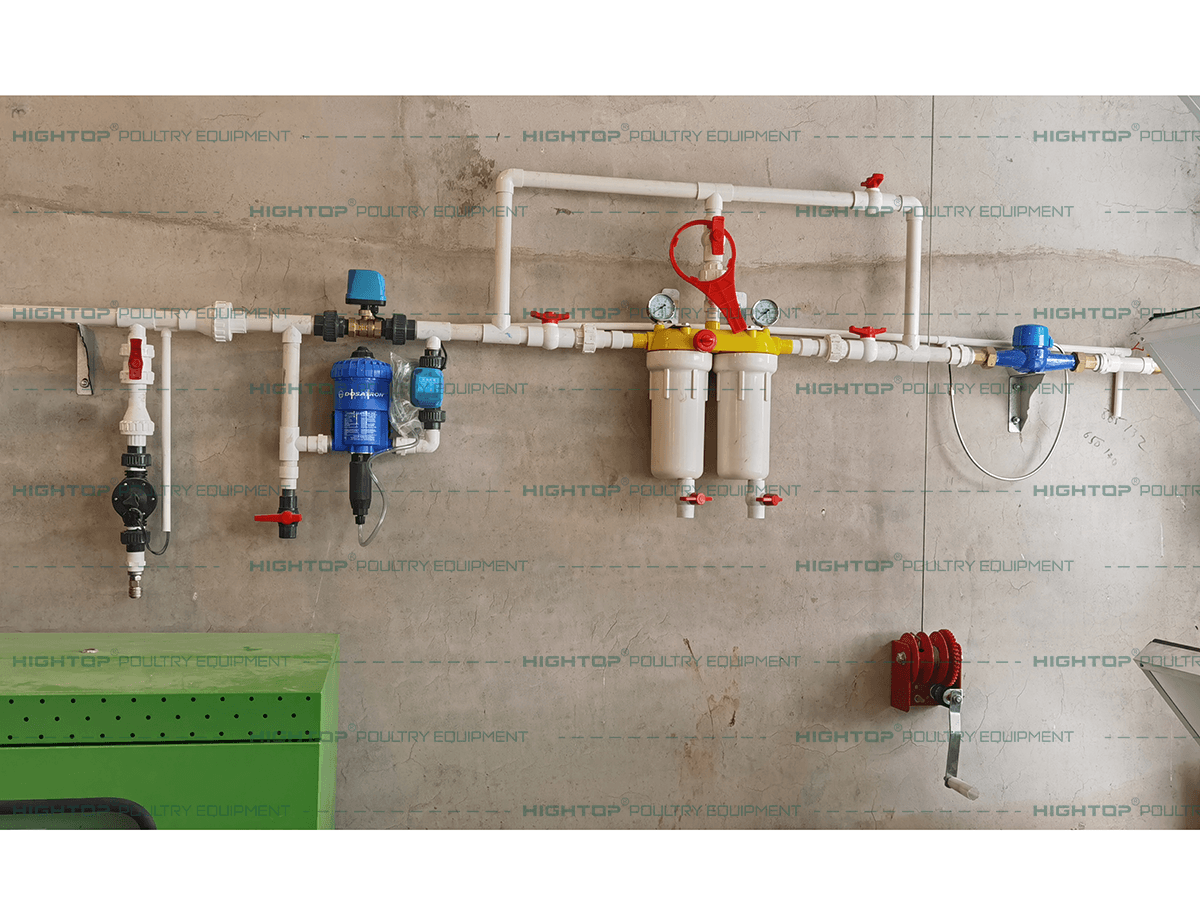
- Clean front-end water filters
- Remove sediment and impurities
- Prevent pipeline blockage
Weekly Maintenance
- Flush pipelines using high-pressure water
- Remove loose deposits inside the pipelines
Cleaning frequency should increase during:
- Summer
- Rainy seasons
- High-humidity environments
During idle periods, residual water should be drained promptly to avoid stagnant water inside the system.
3. Scientific Disinfection to Remove Bacteria and Biofilms
Waterline disinfection should combine routine sterilization with regular biofilm removal.
During Production
Use approved livestock drinking-water disinfectants at appropriate concentrations to eliminate free bacteria without affecting flock health.
Monthly Deep Cleaning
Once every month:
- Soak pipelines with professional biofilm removers
- Completely dissolve stubborn biofilms
- Flush pipelines thoroughly using high-pressure water
This removes the bacterial breeding environment at its source.
Empty House Disinfection
The empty house period is the ideal opportunity for complete sanitation.
The following components should all receive thorough soaking, flushing and disinfection:
- Water towers
- Water pipelines
- Filters
- Nipple drinkers
The system should only be reused after it has completely dried, effectively preventing disease transmission between production cycles.
IV. How Standardized Waterline Management Improves Farm Performance
Although drinking water pipelines are often considered a minor part of poultry production, they directly influence:
- Intestinal health
- Survival rate
- Egg production
- Eggshell quality
- Feed conversion efficiency
Standardized waterline management helps:
- Reduce enteritis, diarrhoea and mycotoxicosis
- Lower veterinary medication costs
- Reduce production losses
- Improve nutrient digestion and absorption
- Increase feed conversion ratio (FCR)
- Stabilize egg production
- Improve eggshell quality
- Enhance overall farm profitability
Conclusion
In modern intensive poultry farming, competitiveness depends not on solving problems after they occur, but on preventing them through standardized daily management.
By implementing standardized drinking water pipeline management, poultry farms can protect the first line of intestinal health, reduce disease risks, stabilize production performance, lower operating costs, and achieve long-term improvements in productivity and profitability.
Request A Quote
Please contact us or get quote via the contact form below, we’ll get back to you as soon as possible.