Introduction
For decades, egg farmers have looked for ways to produce more with less labor while keeping their flocks healthy. The biggest leap forward? Automated cage systems. Today, if you are still using manual cages, you are probably losing money in ways you cannot see — and putting your hens at risk.
This article walks you through the history of egg farming equipment, compares manual and automatic cages, and explains why timely manure removal is the single most important factor for flock health and consistent egg production.
A Brief History of Poultry Housing Equipment
From Backyard Scavenging to Industrial Cages
In the early 20th century, chickens roamed freely. Farmers collected eggs from nests scattered around barnyards. This worked for small flocks, but as demand for eggs grew, so did the need for control.
By the 1950s, battery cages became popular. A single building could now hold thousands of birds. But early cages were completely manual:
- Workers walked aisles to collect eggs by hand.
- Feed was poured into troughs.
- Water was refilled from buckets.
- Manure fell to the floor and was shoveled out once or twice per cycle.
The Rise of Semi-Automation
In the 1970s and 80s, mechanical feeders and nipple drinkers appeared. This saved labor but still required daily attention for egg collection and manure scraping.
Fully Automatic Cage Systems (Today)
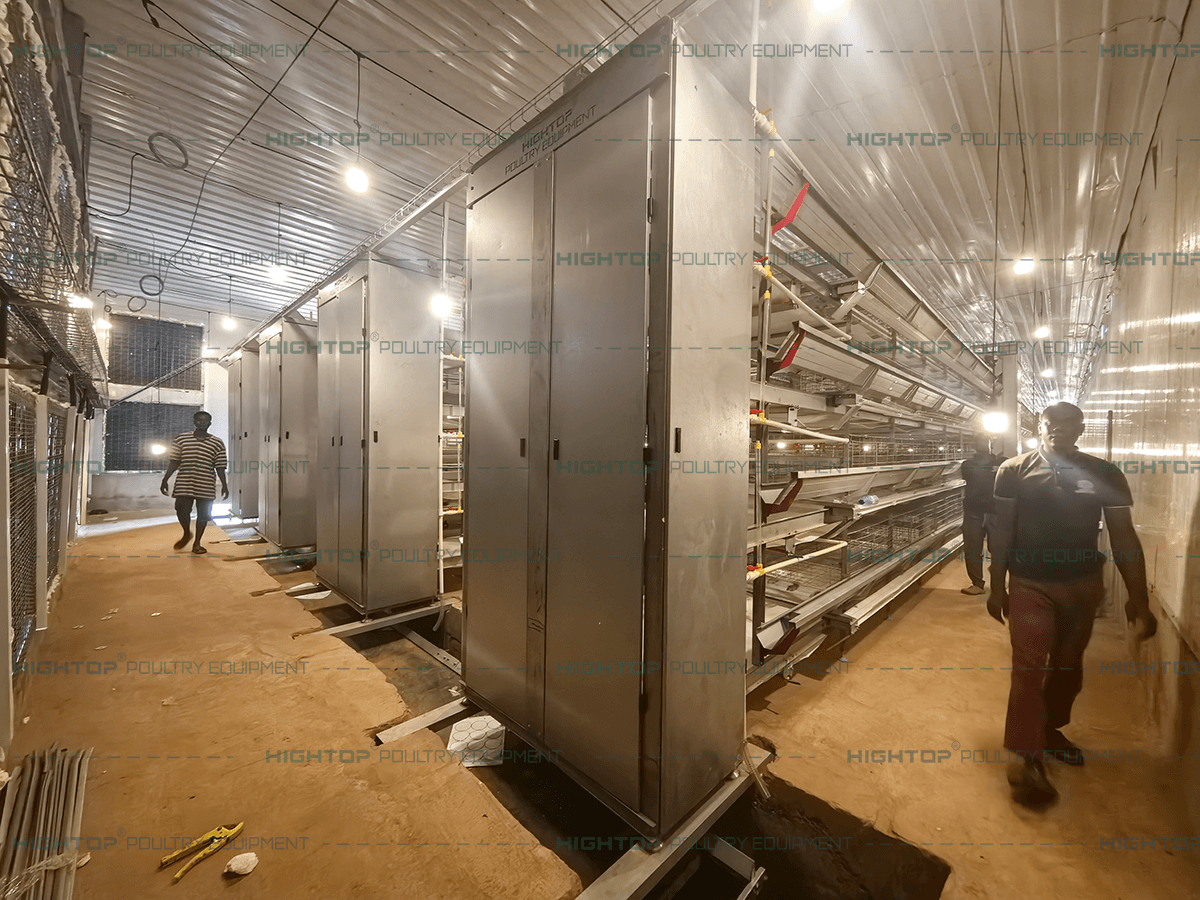
Modern automatic cage systems do everything:
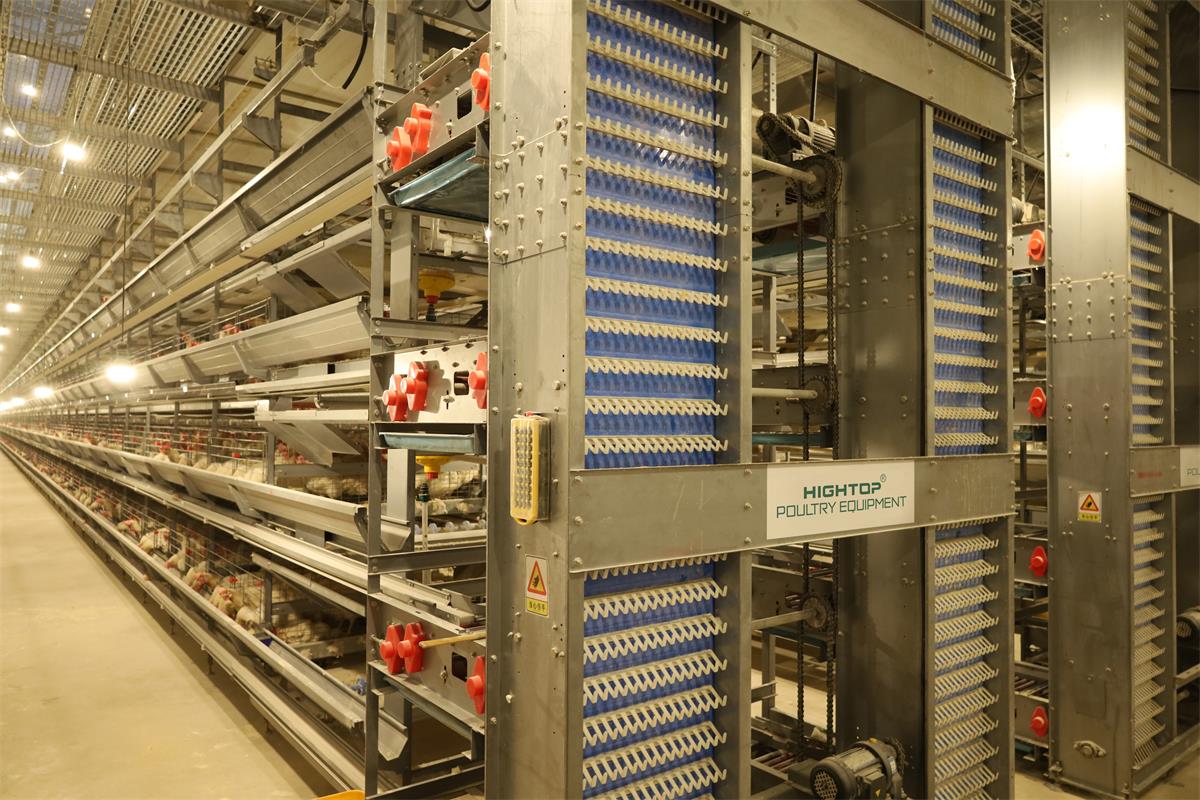
- Automatic egg collection– belts carry eggs gently to a central packing station.
- Automatic manure removal– belts run daily to take waste out of the house.
- Automatic feeding– feed moves along the entire row, delivered at set times.
- Automatic drinking– nipple drinkers provide clean water on demand.
These systems are not just convenient. They are essential for large‑scale, profitable egg production.
Manual vs. Automatic Cages – A Side‑by‑Side Look
| Feature | Manual Cage | Automatic Cage |
| Egg collection | Hand‑picked, slow, risk of cracking | Belt system collects gently, quickly, with minimal breakage |
| Manure removal | Once per batch or weekly; waste accumulates | Daily belt removal, keeping the house clean |
| Feeding | Manual troughs;uneven, three times per day—Arduous labor. | Automated hopper and auger system – uniform feed access, quick and timed operations |
| Drinking | Open troughs or manual refill – often dirty | Nipple drinkers with pressure regulation – clean water always available |
| Labor requirement | High (4-6 workers per 10,000 birds) | Low (1-2 worker can manage 50,000+ birds) |
| Egg quality | More dirt, more cracks | Cleaner eggs, fewer cracks |
| Flock health | Higher ammonia, more respiratory issues | Lower ammonia, healthier birds |
| Production consistency | Varies with worker attention | Consistent day after day |
The biggest difference for bird health is manure management — and that is what we will look at in detail.
The Hidden Danger – What Manure Does to Your Hens
Many farmers think manure is just a disposal problem. But accumulating waste in a cage house turns into a chemical factory of toxins. These substances silently damage your flock’s health and, eventually, your egg count.
How Decomposing Manure Harms Birds
Here is a breakdown of what happens when feces, spilled feed, and old feathers break down in a poorly ventilated, infrequently cleaned cage house:
| This belongs to toxins produced by a poor environment. When organic matter – manure, leftover feed, bedding – decomposes under anaerobic (oxygen‑free) conditions, harmful gases build up, especially when ventilation is weak. |
- Ammonia (NH₃)– Urea in manure breaks down and releases ammonia. Ammonia burns the respiratory tract lining. It also reacts to form nitrite, which, when absorbed into the bloodstream, turns hemoglobin into methemoglobin. This reduces the blood’s ability to carry oxygen. Birds suffocate from the inside.
- Hydrogen sulfide (H₂S)– Rotting eggs or manure give off hydrogen sulfide. This gas shuts down cellular respiration and damages the liver and kidneys.
- Amines and indoles– Amino acids from protein breakdown produce histamine and indole compounds. These irritate the gut lining, reduce appetite, and make feed taste bad.
What This Means for Your Chicken
Now let’s translate those chemical effects into real problems you can see in your chicken house:
- Respiratory disease– Ammonia and hydrogen sulfide cause coughing, nasal discharge, conjunctivitis (swollen eyes), and labored breathing. Chronic exposure leads to airsacculitis and makes birds more vulnerable to E. coli and Mycoplasma.
- Blood poisoning (Methemoglobinemia)– High nitrite levels turn the birds’ combs and wattles blue or purple (cyanosis). They become lethargic and may die without obvious lesions – simply from oxygen starvation.
- Reduced feed intake and growth– Hydrogen sulfide and indoles directly depress appetite. Birds eat less, so they produce fewer eggs and lose body condition.
- Liver and kidney damage– Over time, toxins overload the liver and kidneys, leading to organ failure and higher mortality.
The Direct Link to Egg Production
Here is the truth every egg farmer needs to understand: A hen that is struggling to breathe, fighting organ damage, or refusing to eat will not lay well.
- Short‑term effects:A mild ammonia level (just 25 ppm) already reduces egg size and shell thickness. Hens spend energy detoxifying rather than producing eggs.
- Long‑term effects:Weeks of poor air quality and gut irritation lower peak production by 5‑15%. It also shortens the laying cycle, forcing you to replace flocks sooner.
- Economic impact:For a 50,000‑bird house, a 10% drop in production over 10 weeks equals over 350,000 fewer eggs – a huge loss in revenue.
In short, if you do not remove manure daily, you are paying for lower egg output every single day.
How Automatic Manure Removal Solves the Problem
Daily Removal – Not Weekly, Not Per Batch
In a manual system, manure sits under the cages for weeks or even months until the flock is depopulated. Even if you scrape once a week, ammonia levels spike again within hours.
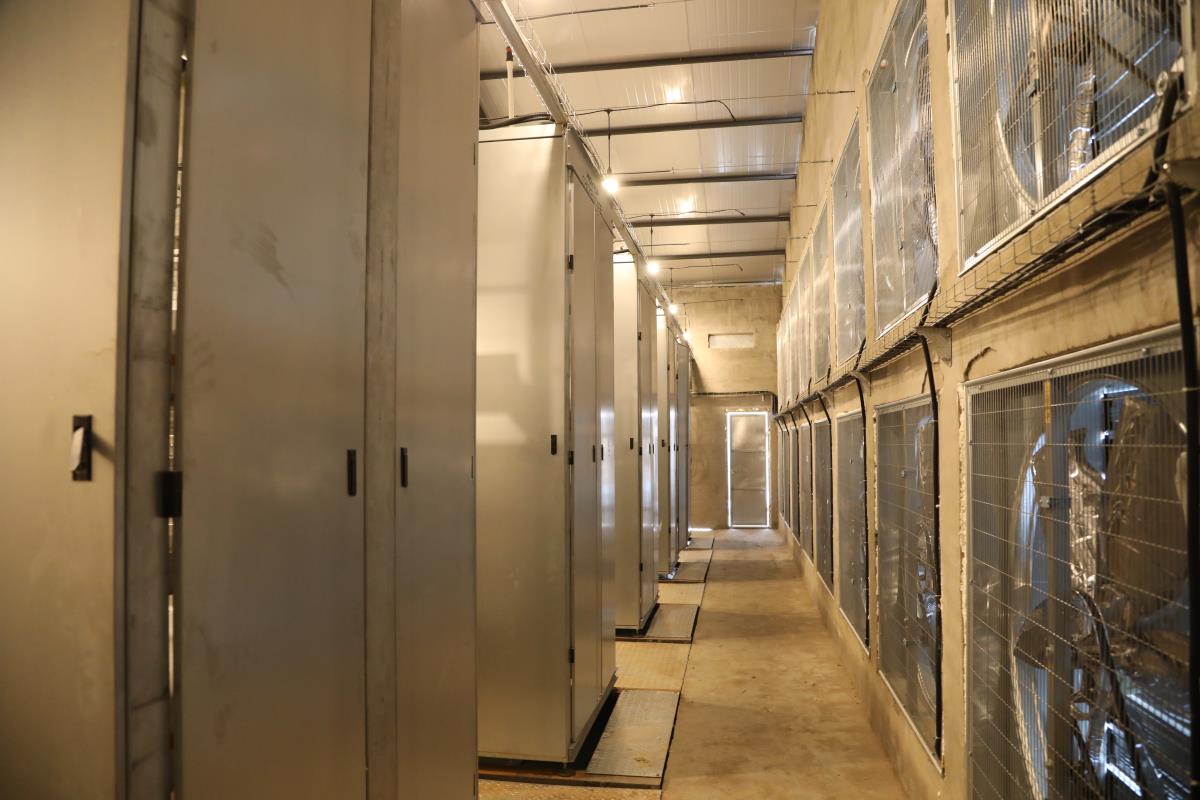
An automatic belt system runs every 1‑2 days – often on a timer set for early morning. Each belt carries the waste from each tier directly out of the house to a conveyor or collection pit.
Benefits You Can See and Measure
- Lower ammonia concentration– Independent tests show that daily belt removal keeps ammonia below 10 ppm, compared to 50‑100 ppm in deep‑pit manual houses. This means healthier lungs, less eye irritation, and fewer respiratory treatments.
- Drier litter– Wet manure releases more gas. Because belts carry waste away quickly, moisture stays low.
- Fewer flies and pathogens– Manure left on the floor is a breeding ground for flies and bacteria like Salmonella and E. coli. Daily removal breaks the cycle.
- Cleaner eggs – Eggs roll onto belts that are separate from the manure belt, so they come out clean without washing – which saves labor and reduces breakage.
The HIGHTOP Advantage – Built for Reliability and Long Life
Not all automatic manure removal systems are created equal. HIGHTOP has engineered its fecal cleaning system with specific design features that ensure consistent performance, minimal downtime, and maximum durability in real farm conditions.
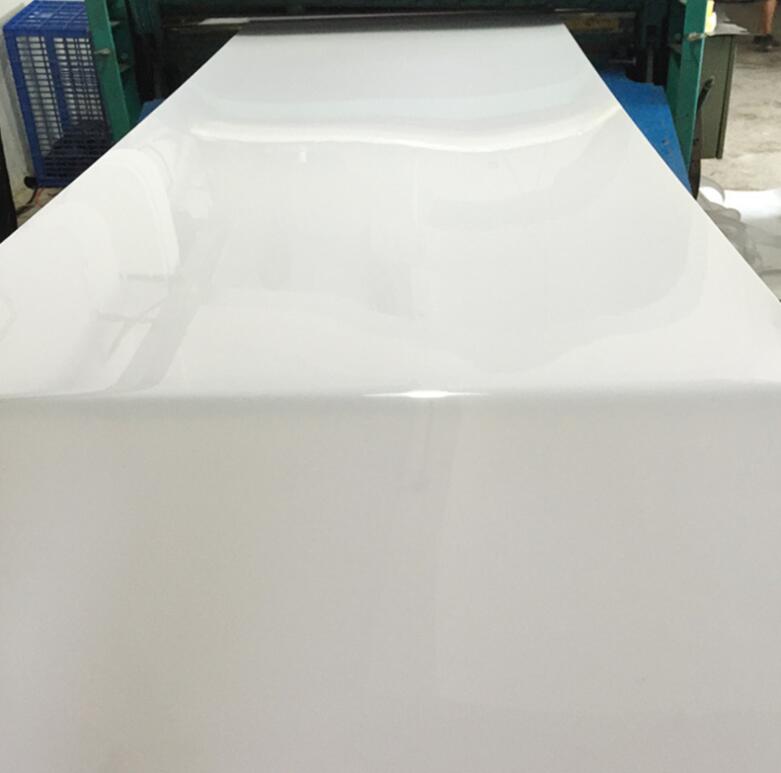
1.2mm thick PP+PE manure cleaning belt – Made from high‑grade polypropylene, this belt resists corrosion from ammonia and moisture. With a 15‑year service life, it outlasts standard belts by years, saving you replacement costs and labor.
- Anti‑deviation design– The belt tracking system prevents misalignment. Even after thousands of operating hours, the belt stays perfectly centered, ensuring continuous, clean operation without jams or edge damage.
- Double‑scraper cleaning system – Instead of a single blade, HIGHTOP uses double scrapers along the belt path. This design removes almost 100% of manure residue, leaving the belt clean and reducing odor buildup.
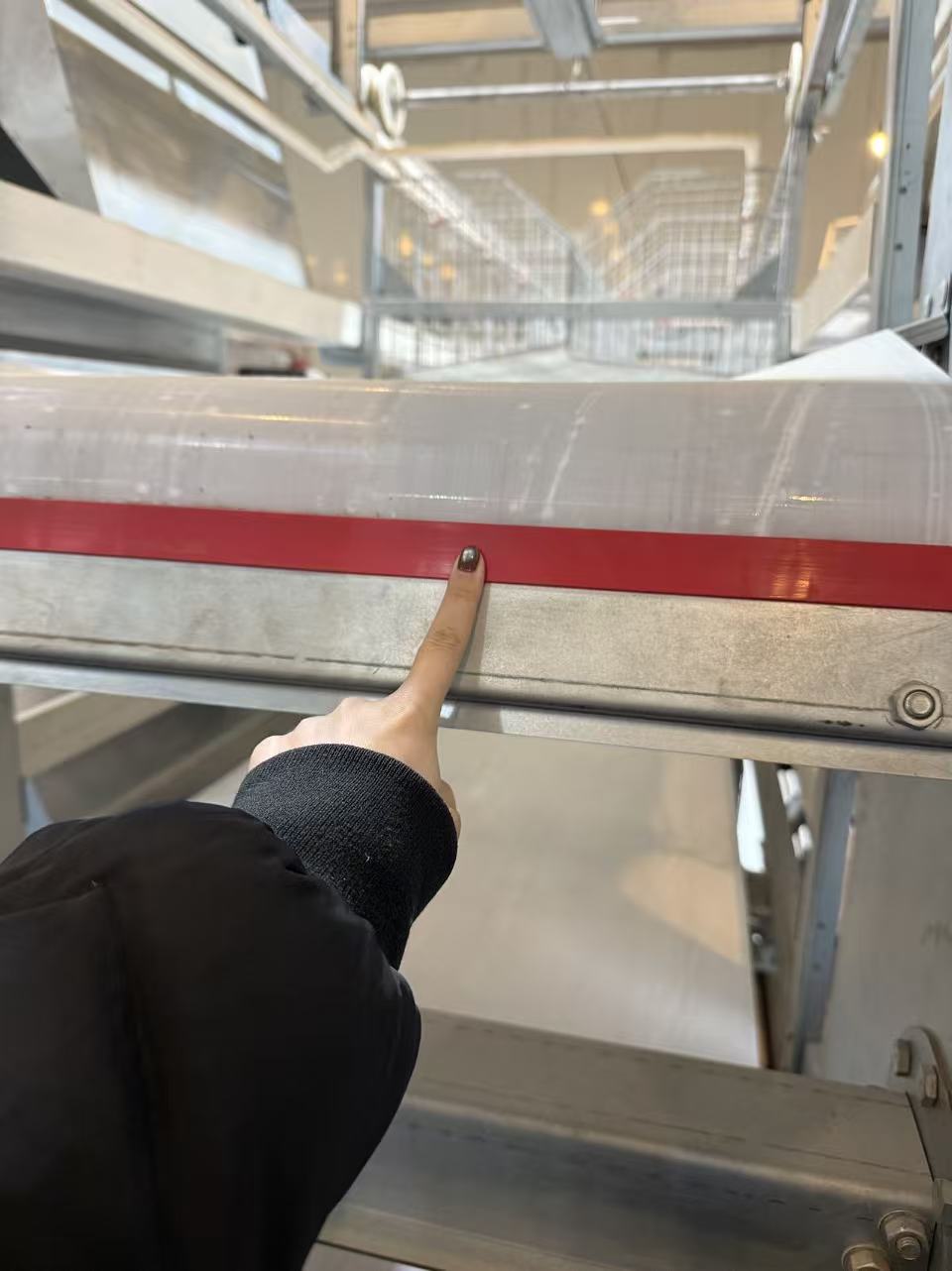
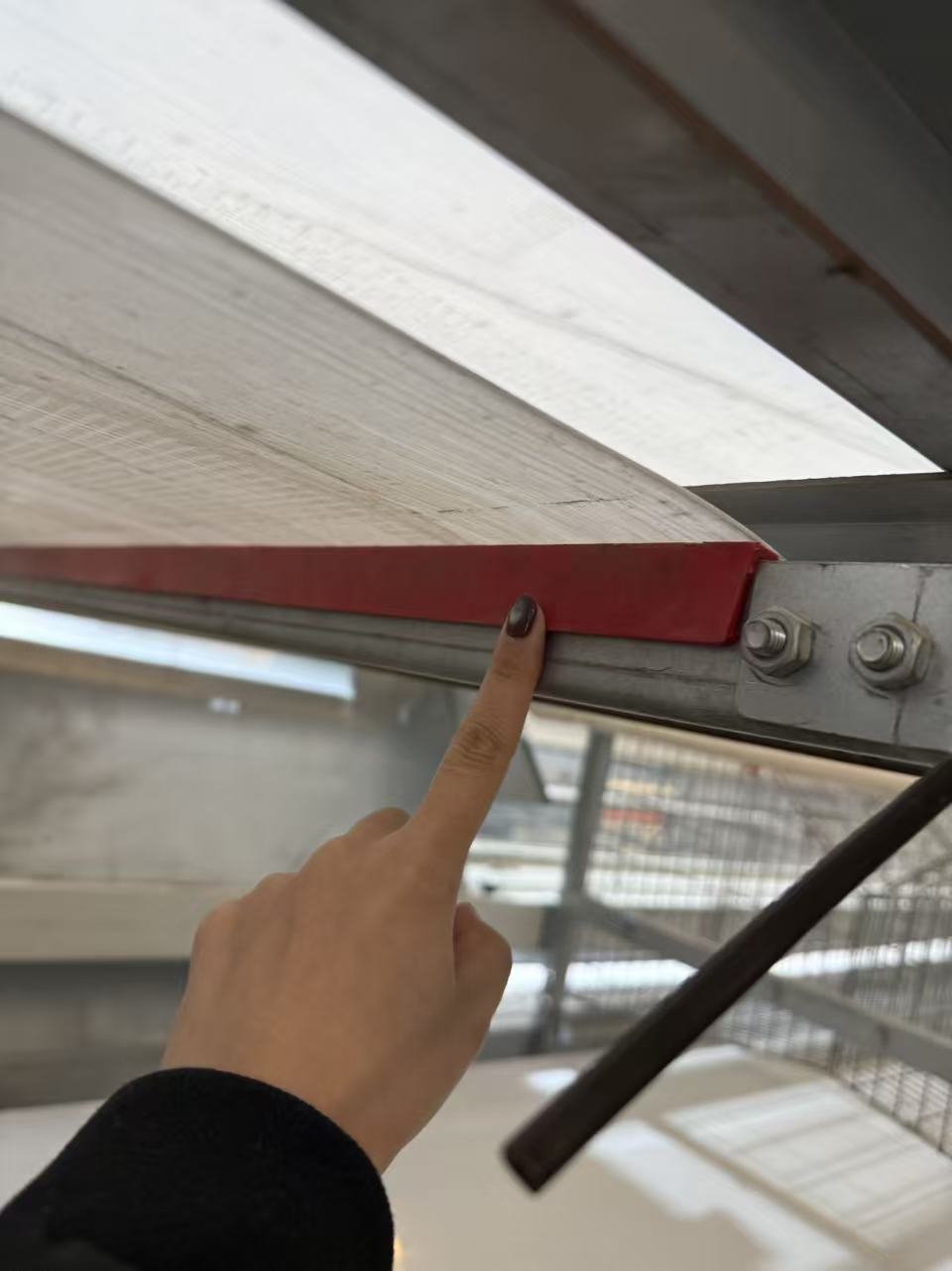
- Joint‑controlled layer scrapers– Each tier’s scraper can be opened or closed together from one control point. This allows you to clean remaining manure plates and accumulated chicken feathers easily, without climbing or manual scraping per layer. The result is a consistently hygienic belt surface and lower ammonia release.
These engineering choices mean that with a HIGHTOP automatic manure removal system, you get fewer breakdowns, cleaner belts, and a healthier environment for your hens – day after day, year after year.
The Result – A Healthier Flock That Lays Harder and Longer
With automatic manure removal, your hens are not living on top of their own waste. They breathe clean air. Their intestines are not irritated by amines. Their blood carries full oxygen. They eat well, rest well, and lay eggs consistently.
Better daily health leads to a longer laying cycle – you can often extend production from 70‑80 weeks to 90+ weeks, with a slower decline curve.
Beyond Manure – Other Automation Benefits in Brief
While manure removal is critical, the other automated functions also matter:
- Automatic egg collection– Eggs are gathered gently and frequently, reducing cracks and dirt. Less handling also means less stress on the birds.
- Automatic feeding– Feed is delivered evenly and on schedule. No wasted feed. No bossy hens pushing weaker ones away.
- Automatic drinking– Nipple drinkers stay clean. Water consumption can be monitored for early disease detection.
But none of these matter as much as getting the manure out – because without clean air and a toxin‑free gut, even the best feed and water will not give you peak production.
Conclusion – Invest in Your Birds’ Environment, Invest in Your Profits
Egg farming has come a long way from hand‑feeding and hand‑gathering. Today, automatic cage systems are not a luxury – they are a necessity for any farm that wants to compete on cost, quality, and volume.
The most overlooked part of automation is manure removal. As we have seen:
- Decomposing manure releases ammonia, hydrogen sulfide, and other toxins that damage the lungs, blood, liver, and appetite.
- These health problems directly reduce feed intake and egg production.
- Daily belt cleaning eliminates the source of the problem, keeping your birds healthy and productive.
A bird that lives in a clean house will out‑lay a bird that lives in a dirty house – every time.
If you are still using manual cages, calculate how much production you are losing to poor air quality. Then compare that to the cost of an automatic system. You will find that automation pays for itself faster than you think – through lower mortality, higher egg numbers, and less labor.
Ready to upgrade? Contact our team for a free consultation and customized layout for your farm. We help egg producers switch to automatic cage systems – and start seeing healthier hens and bigger egg baskets from the very first cycle.
Need a quick price estimate? Leave a message below or reach out to us directly – we will respond with a competitive quote for your automatic equipment, including the HIGHTOP manure removal system tailored to your flock size and house layout.
Request A Quote
Please contact us or get quote via the contact form below, we’ll get back to you as soon as possible.