Introduction: Why IoT Technology Is Reshaping Modern Poultry Farming
With the rapid expansion of the global poultry industry, traditional manual poultry farming methods can no longer meet the growing market demand for high-efficiency, low-cost, and high-quality poultry production. As global consumption of poultry meat and eggs continues to rise, farmers are under increasing pressure to improve productivity while maintaining strict cost control and biosecurity standards.
Traditional poultry farming heavily relies on manual experience. Farmers need to spend massive time and energy checking poultry house environments, adjusting ventilation and lighting, managing feeding work, and observing the health status of flocks. This process is not only labor-intensive but also highly dependent on individual judgment, which may vary from person to person.
This experience-dependent farming model is inherently unstable, prone to human error, and often leads to:
- Excessive resource waste (feed, water, electricity)
- Unexpected disease outbreaks
- Unstable poultry growth performance
- Increased mortality rates
- Reduced overall farming profits
In response to these widespread challenges faced by poultry farmers across the world, Internet of Things (IoT) technology in poultry farming has emerged as a practical, scalable, and transformative solution. It enables intelligent monitoring, automatic control, and data-driven decision-making, bringing poultry farming into a new era of precision agriculture.
What Is IoT in Poultry Farming? A Practical Explanation
Simply put, the Internet of Things (IoT) is an intelligent interconnected system consisting of:
- Smart environmental sensors
- Automated control equipment
- Cloud-based data platforms
- Remote terminal management software
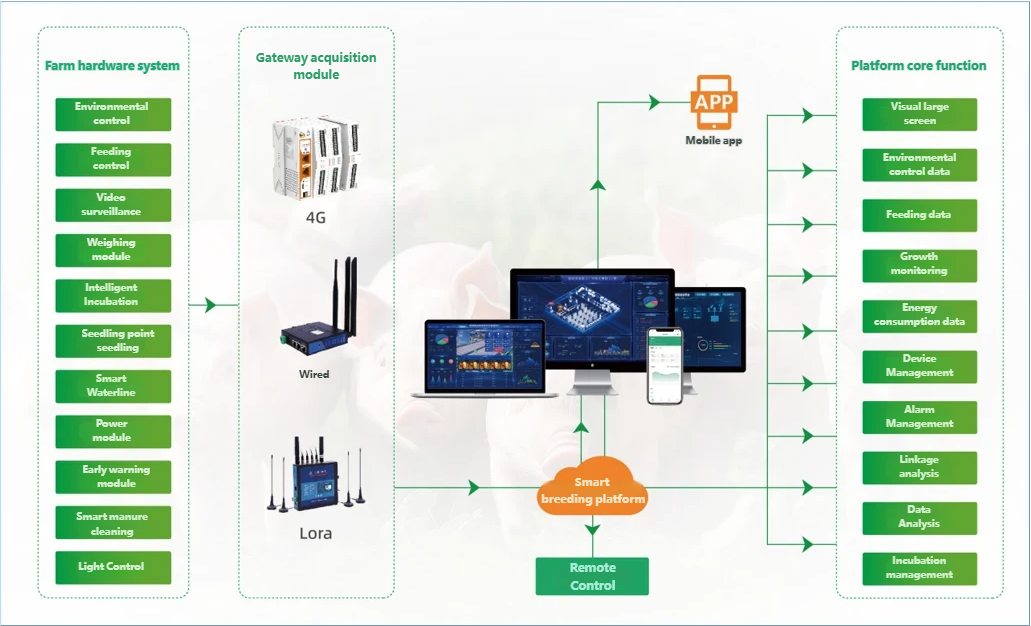
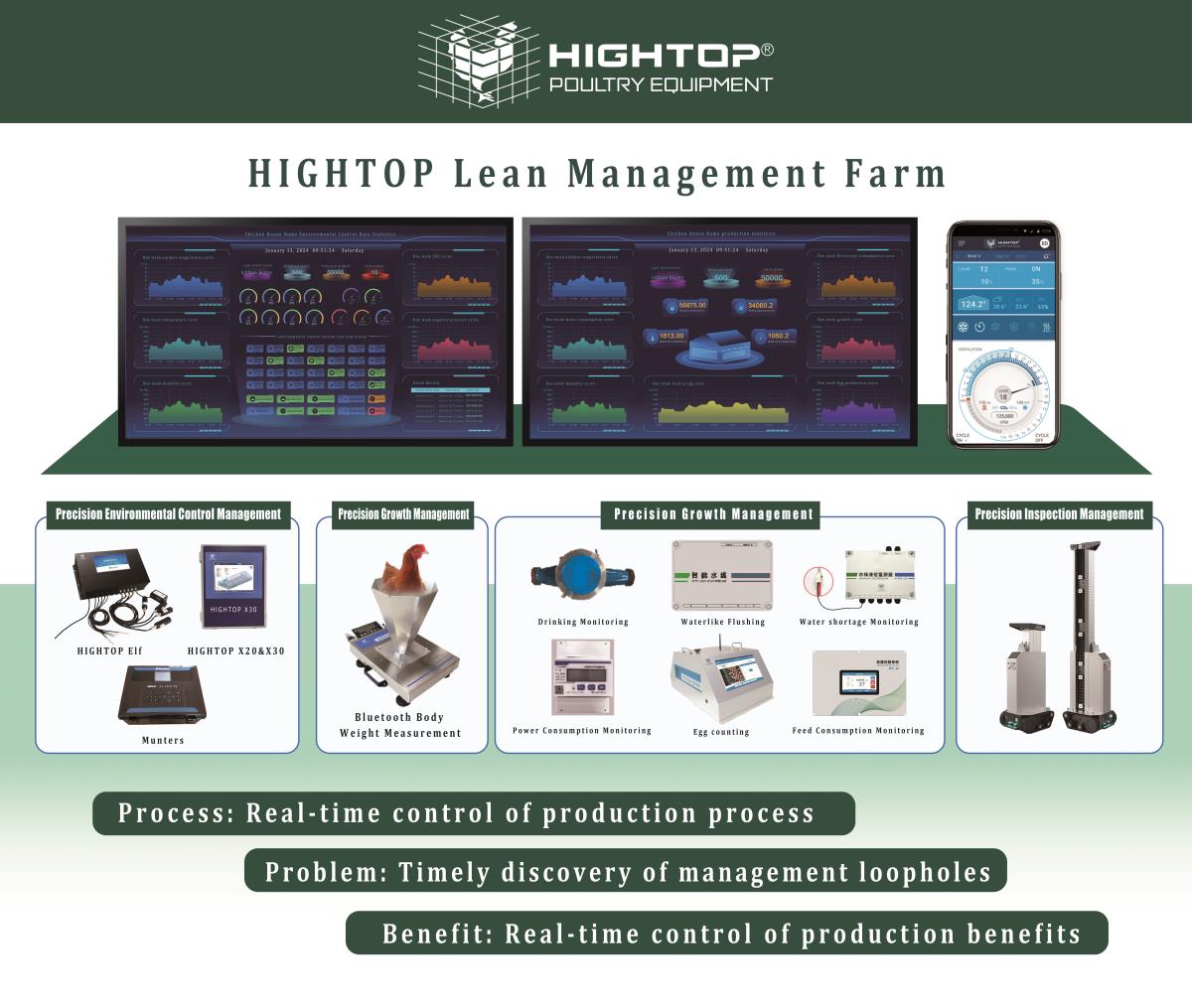
When applied to poultry houses, IoT technology builds a fully connected smart farming network. This network continuously collects real-time farming data, automatically adjusts breeding environments and production equipment, and allows farmers to manage their poultry farms remotely with accuracy and efficiency.
Unlike traditional manual farming, which can only achieve intermittent inspection and passive adjustment, IoT-based poultry farming enables:
- 24-hour uninterrupted monitoring
- Real-time data acquisition and analysis
- Active, intelligent control of all production processes
This represents a fundamental shift from experience-based farming to data-driven precision farming.
Core Components of an IoT Poultry Farm System
A complete IoT system for poultry houses covers all critical aspects of daily farm management, including environmental monitoring, automatic feeding, climate adjustment, and intelligent data analysis.
1. Environmental Monitoring System: The Foundation of Smart Farming
Professional environmental sensors are installed throughout the poultry house to continuously detect key indicators such as:
- Temperature
- Humidity
- Carbon dioxide (CO₂) concentration
- Ammonia (NH₃) levels
These environmental parameters are crucial for poultry health and productivity.
- Temperature and humidity are the most fundamental factors affecting poultry growth.
- Excessively high temperatures cause heat stress
- Low temperatures result in cold stress
- Both conditions slow growth and may lead to mortality
- Ammonia and carbon dioxide levels directly impact respiratory health.
- High ammonia concentration can irritate the respiratory system
- Increased CO₂ reduces oxygen availability
IoT sensors capture even subtle environmental changes in real time—changes that are often impossible to detect manually—providing a highly accurate data foundation for environmental control decisions.
2. Intelligent Environmental Control System
Working in coordination with monitoring devices, IoT systems automatically control:
- Ventilation systems
- Cooling and heating equipment
- Lighting systems
When environmental data exceeds preset optimal ranges, the system will automatically:
- Activate or shut down fans
- Adjust ventilation intensity
- Turn on cooling pads or heating systems
- Modify lighting duration and brightness
This ensures that poultry are always kept in a stable, comfortable, and optimal living environment, which is essential for consistent production performance.
3. Automated Feeding System: Precision Nutrition Management
The IoT automatic feeding system addresses several long-standing problems in traditional poultry farming:
- Uneven manual feeding
- Feed wastage
- Inconsistent nutrient distribution
The system operates by:
- Detecting residual feed levels in real time
- Automatically distributing feed in precise quantities
- Ensuring equal access for all birds
Benefits include:
- Balanced nutrition across the flock
- Improved uniformity in poultry growth
- Reduced feed waste and lower feeding costs
4. Cloud Data Platform and Remote Farm Management
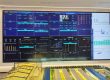
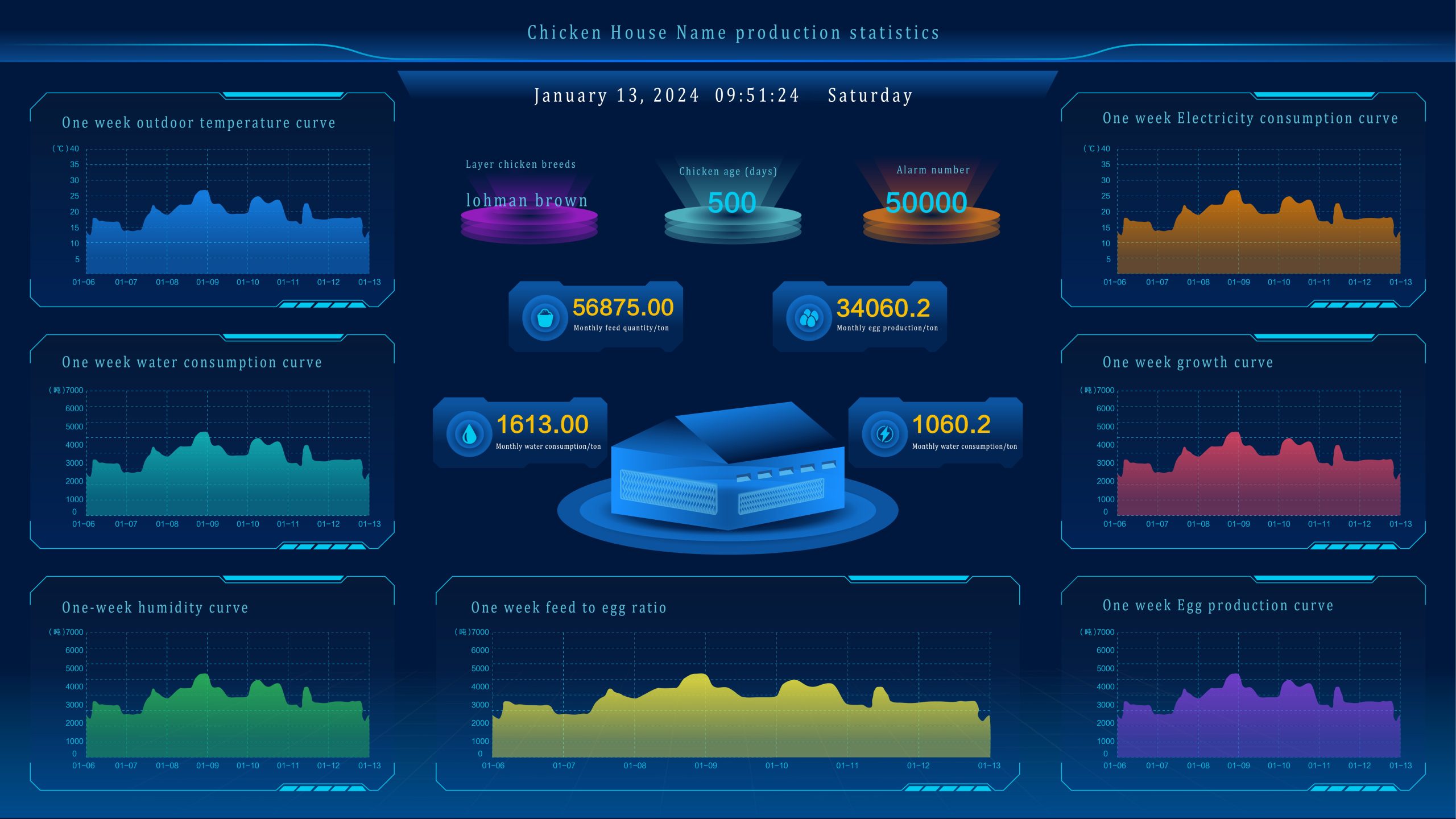
All data collected by IoT devices is transmitted to a centralized cloud data platform, where it is:
- Processed and analyzed
- Stored for long-term tracking
- Converted into visual reports and trend charts
Farmers can access this platform through:
- Smartphones
- Tablets
- Computers
This enables:
- Remote monitoring anytime and anywhere
- Real-time decision-making
- Reduced need for constant on-site presence
This modern management model significantly reduces labor intensity and allows farmers to focus on strategic farm operation rather than repetitive manual tasks.
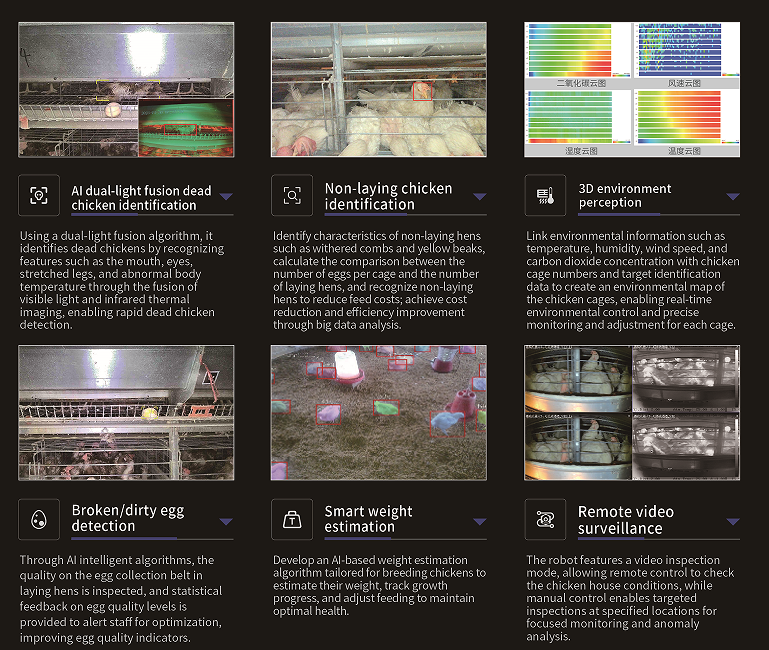
Key Advantages of IoT Technology in Poultry Farming
1. Improved Production Efficiency and Output
IoT enables precision environmental control, resulting in:
- Stable growth conditions
- Faster poultry development
- Shorter production cycles
- Higher survival rates
This leads directly to increased productivity and improved economic returns.
2. Early Warning System and Risk Control
One of the most valuable features of IoT is its early warning capability.
The system can detect abnormal patterns such as:
- Sudden temperature fluctuations
- Changes in feeding or drinking behavior
- Air quality deterioration
Before small issues escalate into major problems, the system sends alerts to farmers, allowing for immediate intervention.
This helps to:
- Prevent disease outbreaks
- Reduce mortality rates
- Lower reliance on antibiotics
- Improve overall farm biosecurity
3. Optimized Resource Utilization and Cost Reduction
Traditional poultry farming often results in excessive use of:
- Electricity
- Water
- Feed
IoT systems optimize resource consumption by precisely matching supply with actual demand.
This leads to:
- Lower electricity bills
- Reduced water usage
- Minimized feed waste
Although IoT systems require an initial investment, they provide long-term cost savings and stable profit growth.
4. Labor Reduction and Operational Efficiency
IoT automation significantly reduces manual workload by:
- Eliminating frequent inspections
- Automating repetitive tasks
- Standardizing farm operations
This reduces labor costs while improving management efficiency.
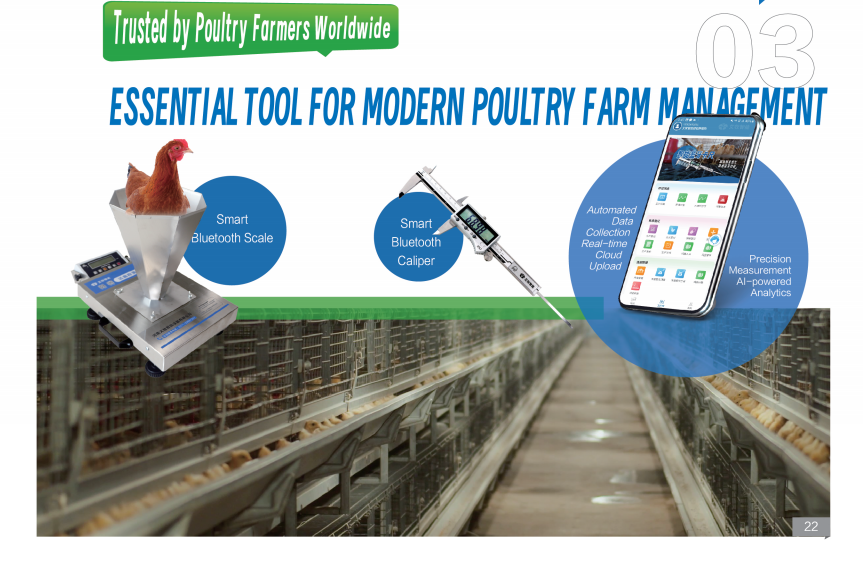
Adoption Challenges and Practical Solutions
Some small and medium-sized farm owners may have concerns regarding:
- Initial investment cost
- Network reliability
- Technical operation complexity
However, current developments show that:
- IoT equipment costs are continuously decreasing
- System reliability is improving
- User interfaces are becoming more intuitive
Modern systems also include:
- Secure cloud storage
- Data encryption and access control
- Simple and user-friendly operation interfaces
With basic training, farm staff can quickly learn to operate and manage the system effectively.
Future Development Trends: IoT, AI, and Smart Agriculture
The future of poultry farming will involve deeper integration of IoT with advanced technologies such as:
Artificial Intelligence (AI)
- Predict poultry growth patterns
- Forecast disease risks
- Optimize feeding schedules
- Enable automated decision-making
Blockchain Technology
- Ensure full traceability of poultry products
- Improve transparency in supply chains
- Enhance consumer trust in food safety
These technologies will further drive the transformation toward fully intelligent, automated poultry farming systems.
Conclusion: IoT as a Core Technology for Poultry Farm Upgrading
IoT intelligent monitoring and control technology is now an essential tool for modern poultry farming.
It effectively solves key problems associated with traditional farming:
- Unstable environments
- High disease risk
- Resource inefficiency
- High labor dependency
For poultry farm owners, adopting IoT technology is not only a forward-looking decision but also a practical strategy to:
- Reduce operational risks
- Lower production costs
- Improve product quality
- Maximize economic returns
In an increasingly competitive global market, IoT-enabled poultry farming provides a clear path toward:
- Sustainable development
- Efficient management
- Long-term profitability
By embracing smart farming technologies, poultry producers can achieve a more stable, efficient, intelligent, and profitable future.
Request A Quote
Please contact us or get quote via the contact form below, we’ll get back to you as soon as possible.