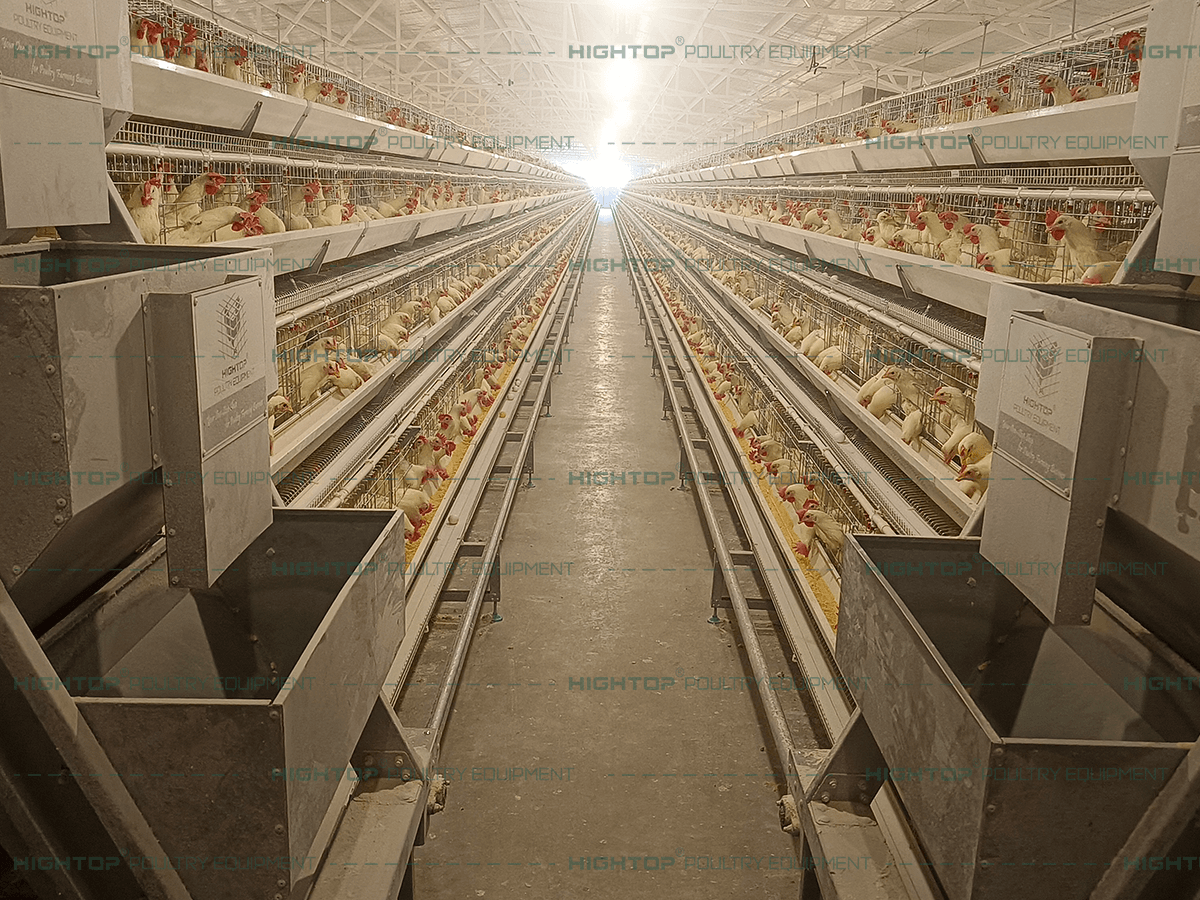
Why Egg Production Rate Matters in Commercial Layer Farming
For layer chickens, especially in large commercial farms, the egg production rate is the core economic indicator of layer farming. In large-scale operations, egg production rate, peak laying duration, and eggshell quality directly determine farm profitability.
Laying performance is influenced by multiple factors, including:
- Chicken breed and genetics
- Nutrition management
- Environmental control
- Daily farm management
- Disease prevention
- Stress control
Only through scientific, refined, and standardized management can farmers effectively improve and stabilize egg production, extend the peak laying period, reduce mortality and production costs, and achieve sustainable profitability.
1. Choose the Right Layer Breed for Maximum Genetic Potential
Chicken breed determines the innate laying potential of laying hens.
Different commercial layer strains show significant differences in:
- Egg production performance
- Environmental adaptability
- Disease resistance
- Feed conversion efficiency
Farmers should select high-yield commercial layer breeds with proven performance and stable adaptability.
Regular flock screening should be carried out during the:
- Brooding stage
- Growing stage
- Pre-laying stage
Weak, sick, disabled, or poorly developed birds should be removed promptly to maintain flock uniformity and maximize production potential from the source.
2. Precision Nutrition: The Foundation of High Egg Production
Unbalanced nutrition is one of the main causes of:
- Reduced egg production
- Shortened peak laying periods
- Increased soft-shelled eggs
- Higher rates of deformed eggs
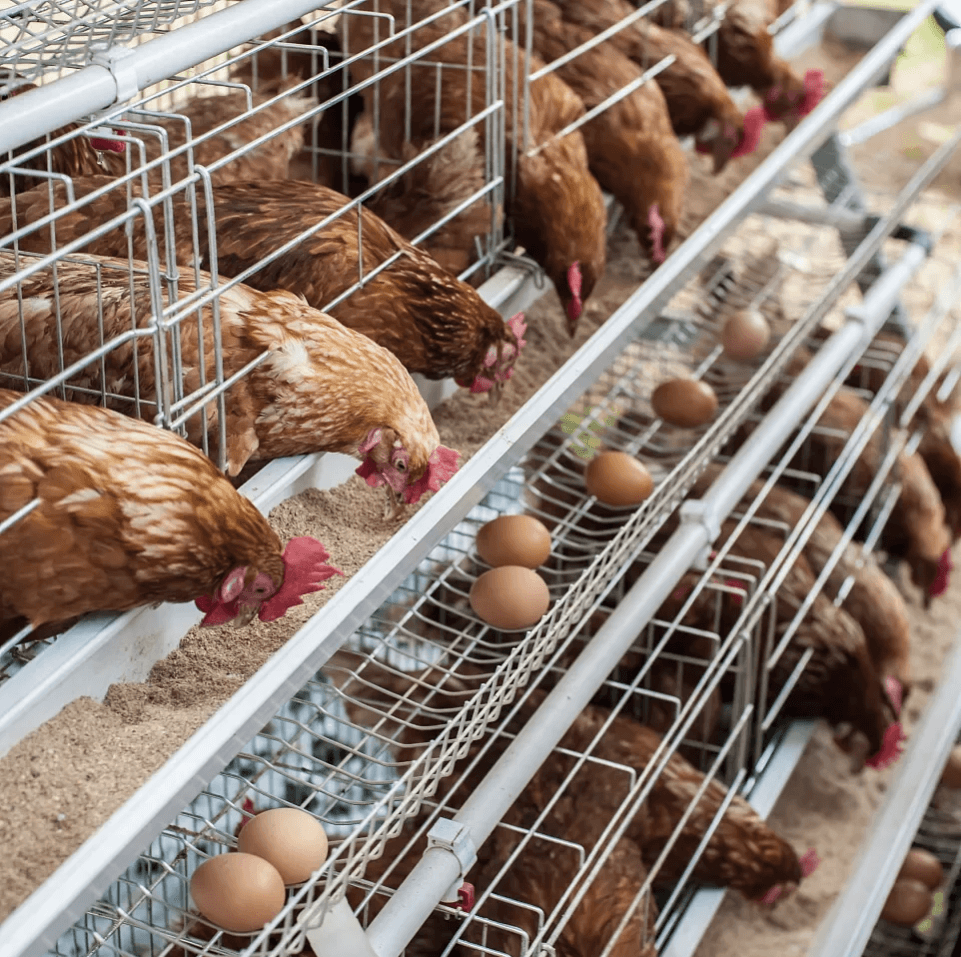
Because nutritional requirements change throughout the production cycle, stage-specific feeding programs are essential.
Growing Period
The primary objective is to:
- Develop strong body condition
- Improve flock uniformity
- Build a healthy reproductive system
Pre-Laying Period
Feed should be gradually adjusted by increasing:
- Calcium
- Phosphorus
- Essential vitamins
This prepares the hens for the onset of egg production.
Peak Laying Period
During peak production, hens require adequate supplies of:
- Protein
- Calcium
- Amino acids
- Vitamins
These nutrients support:
- Ovary development
- Oviduct function
- Eggshell formation
Clean drinking water and mold-free feed are equally important to prevent:
- Liver damage
- Reproductive disorders
- Reduced laying performance
3. Environmental Control: The Hidden Driver of Egg Production
Laying hens are extremely sensitive to environmental changes.
Even small fluctuations in:
- Temperature
- Humidity
- Ventilation
- Lighting
can significantly affect egg production.
Maintain the Ideal House Temperature
The recommended house temperature is:
18°C–25°C (64°F–77°F)
To maintain this range:
- Keep houses warm during winter
- Use proper ventilation and cooling during summer
- Prevent cold stress and heat stress
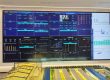
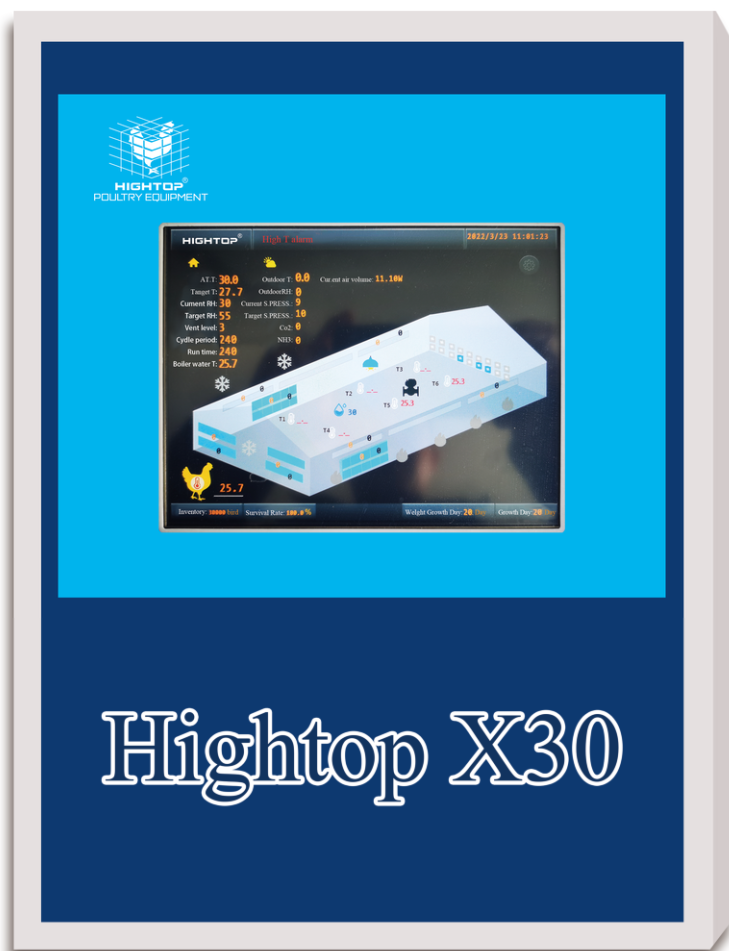
HIGHTOP Intelligent Environment Controllers
A stable environment requires an intelligent controller acting as the “brain” of the poultry house.
HIGHTOP X20 and HIGHTOP X30 controllers are designed specifically for poultry farms.
Advantages include:
- Easy “fool-style” operation
- Intelligent environmental algorithms
- Automatic adjustment based on:
- Chicken breed
- Age
- Body weight
- Season
- Temperature
- Wind speed
Compared with manual calculations, HIGHTOP control accuracy reaches approximately 90%.
Industrial-Grade Reliability
Most ordinary controllers provide: 3000V–4000V lightning protection
HIGHTOP controllers provide: 6000V lightning protection
Our technical director is a former R&D expert from Hisense Group, bringing advanced industrial electronics experience to poultry farm control systems.
4. Proper Lighting Management Directly Impacts Egg Production
Light management is one of the most important tools for regulating laying performance.
During the laying period:
- Maintain 16 hours of stable lighting daily
- Ensure uniform light distribution
- Avoid sudden lighting changes
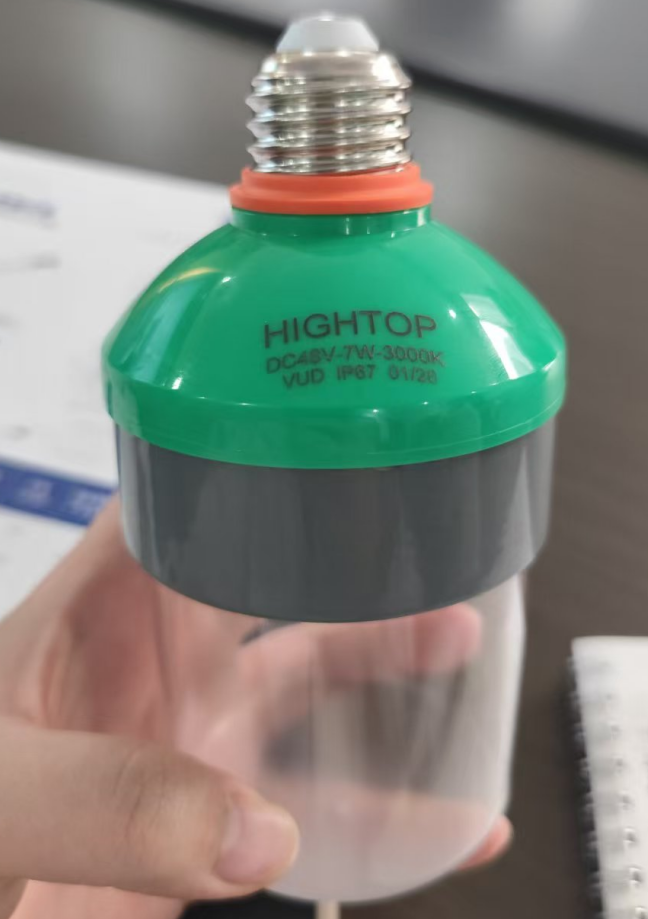
HIGHTOP Poultry Lighting System
HIGHTOP lighting systems are specifically designed for layer chickens.
Features include:
- 3000K poultry-specific light spectrum
- Flicker-free lighting
- Reduced stress response
- Improved bird comfort
The lighting cable is rated:
- IP67 waterproof
This provides maximum durability and safety under poultry house conditions.
5. Humidity and Ventilation Management
The recommended humidity range is:
55%–65%
Proper humidity control helps:
- Reduce respiratory disease
- Improve intestinal health
- Maintain optimal laying performance
When humidity exceeds 90%:
- Cooling pads lose effectiveness
- Heat stress becomes more difficult to manage
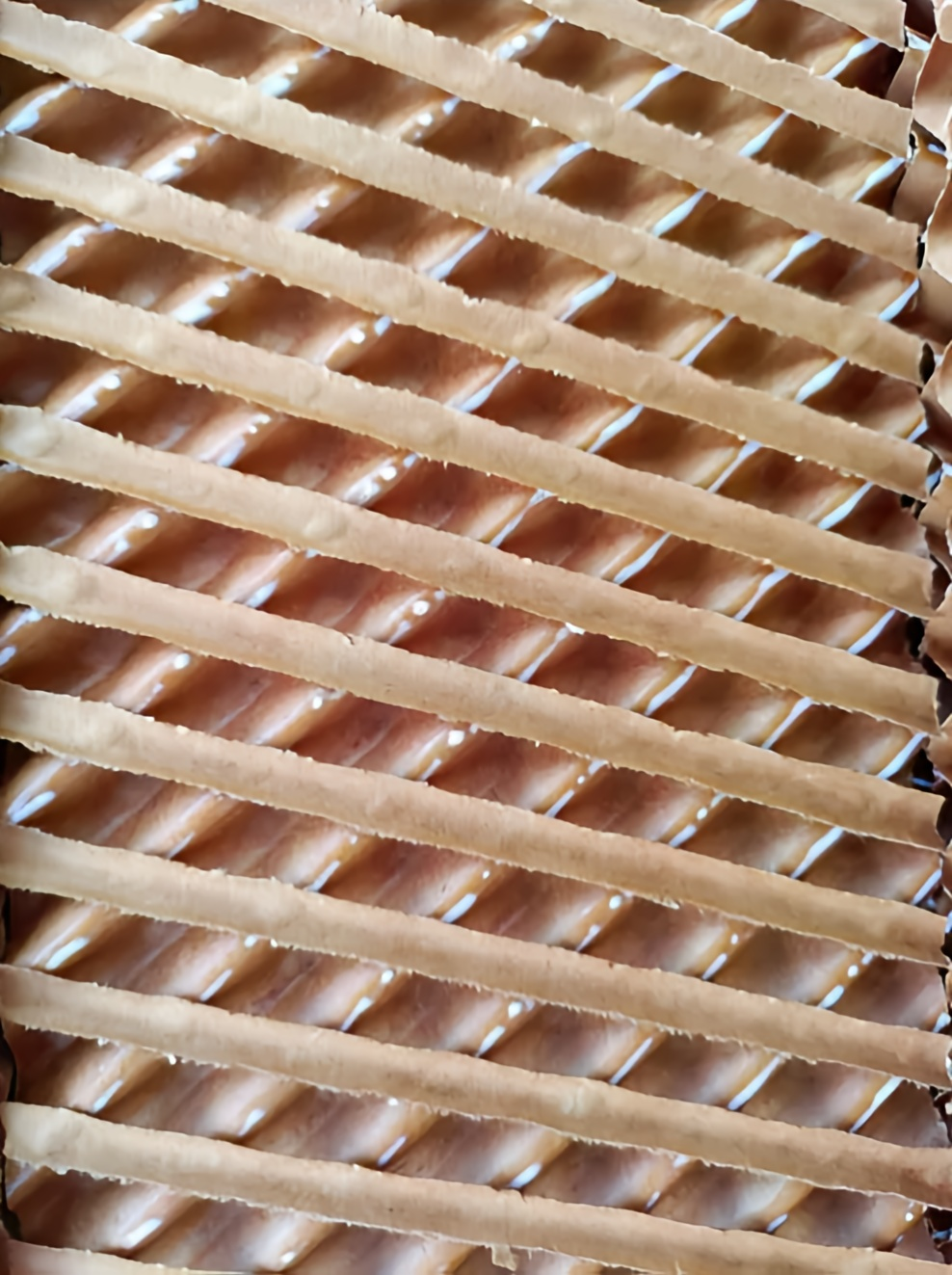
Cooling Pad Selection Matters
For high-humidity countries, HIGHTOP recommends:
- 7060 cooling pads
instead of:
- 7090 cooling pads
to achieve better ventilation efficiency.
Customized Ventilation Design
HIGHTOP provides complete environmental solutions based on:
- Local climate conditions
- Temperature levels
- Humidity levels
- Chicken quantity
- House dimensions
We scientifically calculate the appropriate airflow and wind speed for each project.
6. Daily Farm Management: Small Details Create Big Results
Refined daily management plays a critical role in maintaining high production.
Recommended practices include:
- Fixed-time feeding
- Quantitative feeding
- Daily manure removal
- Regular cleaning
- Waterline disinfection
- House sanitation
Farm personnel should inspect flocks daily and monitor:
- Activity levels
- Feed consumption
- Water intake
- Health condition
Weak or sick birds should be isolated immediately.
Non-performing hens should be removed when necessary.
Egg collection procedures should also be standardized to reduce:
- Broken eggs
- Dirty eggs
- Egg pecking behavior
These practices help extend the high-production period.
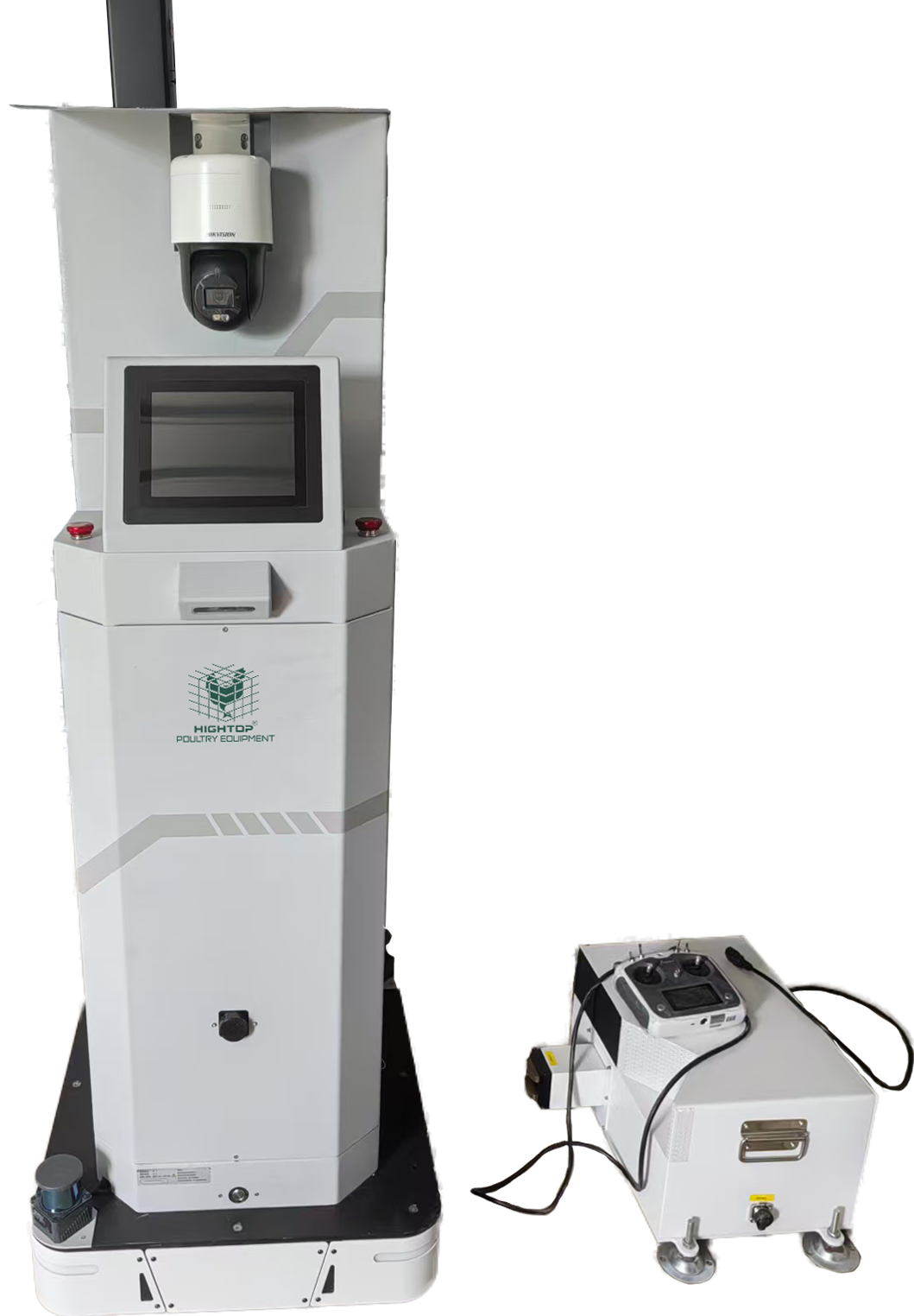
HIGHTOP Inspection Robot
HIGHTOP inspection robots can significantly improve management efficiency by:
- Monitoring flock conditions
- Detecting dead birds
- Identifying weak chickens
- Detecting non-laying hens
Automation reduces labor requirements while improving management accuracy.
Equipment Maintenance Support
HIGHTOP also provides:
- Maintenance schedules
- Maintenance procedures
- Staff training programs
to ensure long-term equipment performance.
7. Disease Prevention Protects Production Performance
Disease outbreaks are among the most common causes of sudden production declines.
The principle should always be:
Prevention First
Vaccination programs should cover major poultry diseases, including:
- Newcastle Disease
- Avian Influenza
- Infectious Bronchitis
- Egg Drop Syndrome
Regular health management programs should focus on:
- Liver protection
- Kidney protection
- Intestinal health
When signs such as reduced egg production, poor shell quality, or lethargy appear, immediate diagnosis and treatment are essential.
Biosecurity Design Standards
Different poultry houses should maintain at least:
10 meters of separation distance
to reduce cross-contamination risks.
Workers should avoid moving freely between houses.
HIGHTOP Disinfection Systems
HIGHTOP provides professional disinfection systems for:
- Farm workers
- Vehicles
- Equipment entering the farm
This greatly reduces the risk of introducing viruses and pathogens.
8. Minimize Stress to Maintain Stable Egg Production
Laying hens are highly sensitive to stress.
Common stress factors include:
- Temperature fluctuations
- Noise
- Sudden feed changes
- Bird transfers
- Vaccination
- Excessive human activity
Stress can quickly cause:
- Hormonal imbalance
- Reduced feed intake
- Declining egg production
To minimize stress:
- Maintain environmental stability
- Handle birds gently
- Implement gradual management changes
During seasonal transitions, weather changes, or vaccination periods, anti-stress vitamins can help maintain production performance.
Peak Production Duration Is More Important Than Peak Production Percentage
Improving egg production rate is a comprehensive project involving:
- Breed selection
- Nutrition
- Environmental control
- Daily management
- Disease prevention
- Stress reduction
There is no shortcut to successful layer farming.
Only scientific and standardized management can:
- Increase egg production
- Extend peak laying periods
- Reduce losses
- Improve profitability
For farm owners, it is important not only to focus on the highest egg production rate, but also on how long the peak production period can be maintained.
For example:
Farm A
- Peak production rate: 98%
- Peak duration: 4 months
Farm B
- Peak production rate: 94%
- Peak duration: 6 months
Although Farm A achieves a higher peak, Farm B generates better long-term performance and profitability because the peak production period lasts significantly longer.
How HIGHTOP Helps Farms Achieve Higher Egg Production and Longer Peak Laying Cycles
At HIGHTOP, we understand that high egg production is not achieved by equipment alone. It requires the perfect combination of:
- Genetics
- Nutrition
- Environmental control
- Automation
- Biosecurity
- Farm management
That is why we provide complete poultry farming solutions, including:
- Automatic layer cage systems
- Environmental controllers
- Poultry lighting systems
- Ventilation systems
- Cooling pads
- Inspection robots
- Biosecurity equipment
- Technical consulting and training
Our goal is not only to help you achieve a high peak production rate, but also to help you maintain that peak for as long as possible, maximizing the profitability of your poultry farm.
Looking for higher egg production and a longer peak laying period? Contact HIGHTOP today and let our poultry experts design the most efficient solution for your farm.
Request A Quote
Please contact us or get quote via the contact form below, we’ll get back to you as soon as possible.