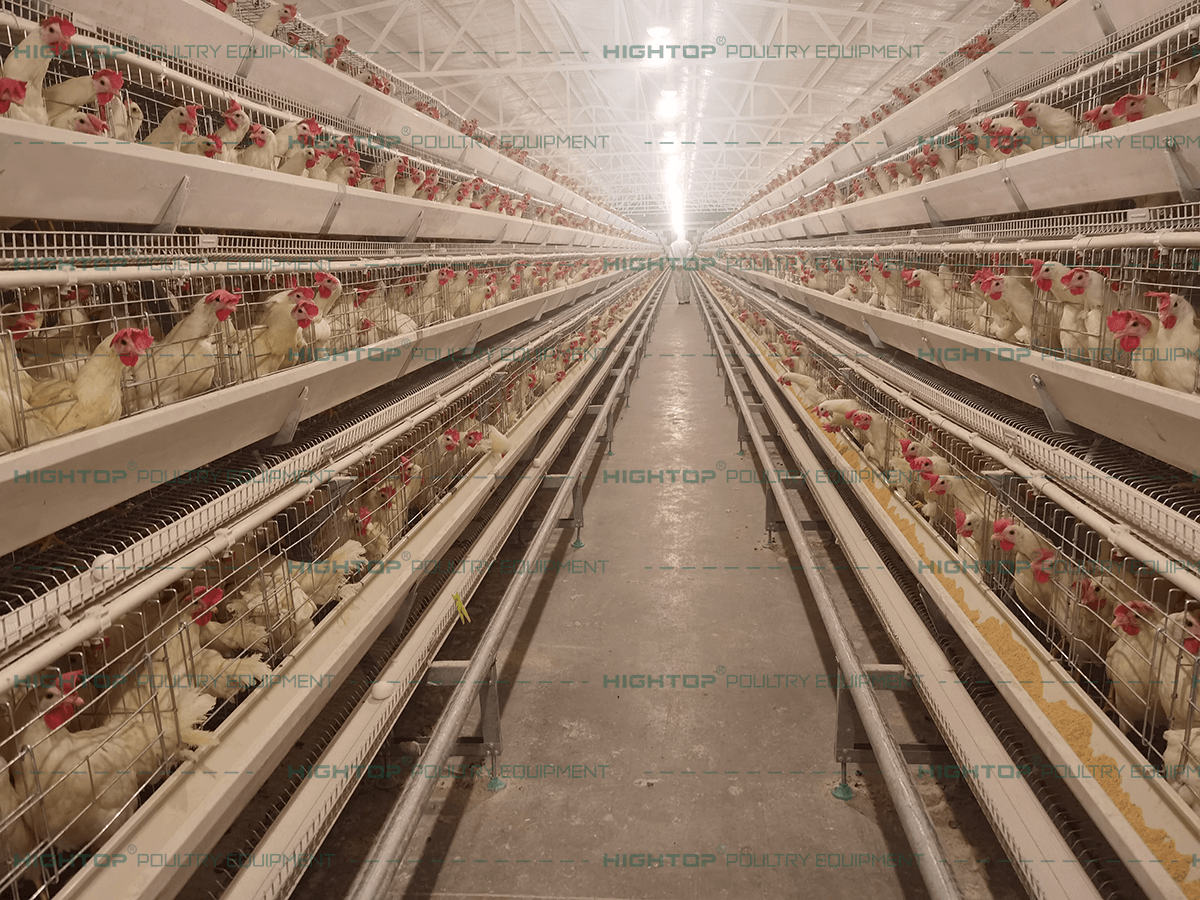
In large-scale commercial chicken farming and household free-range rearing, chicken manure is the most common yet easily overlooked factor that exerts an enormous impact on flock growth rate, disease resistance, survival rate and carcass quality at slaughter. Many farmers only focus on feed, vaccines and temperature control while ignoring the hidden losses caused by accumulated manure. In fact, chicken manure does not solely exert adverse effects on chicken growth. Untreated manure severely stunts growth and triggers diseases; by contrast, scientifically fermented and decomposed chicken manure can be recycled as a resource and even aid growth promotion. This paper systematically elaborates the complete mechanism through which chicken manure affects chicken growth from three perspectives: its adverse hazards, potential resource value and scientific management practices.
I. Core Hazards of Unremoved Chicken Manure to Chicken Growth (The Biggest Hidden Loss in Poultry Farming)
Long-term accumulation of chicken manure inside coops and damp litter buildup are the root causes of slow flock growth, uneven body weights, frequent disease outbreaks and elevated feed conversion ratio, with adverse impacts persisting across nearly all growth stages.
1.Generation of toxic and harmful gases that stunt growth and damage the respiratory tract
Fresh chicken manure features high moisture content and abundant undigested protein and residual urea. Inside enclosed chicken houses, it rapidly ferments and decomposes, continuously releasing malodorous toxic gases including ammonia, hydrogen sulfide and methane. When the ammonia concentration in the coop exceeds 20 ppm, it directly irritates the conjunctiva and respiratory mucosa of chickens, triggering chronic stress in the flock. Chickens exposed to high ammonia levels over extended periods become lethargic, reduce feed intake, feel drowsy and inactive, leading to a marked slowdown in growth rate.
Meanwhile, these hazardous gases break down the respiratory defense barrier of chickens, making them far more vulnerable to invasion by pathogens such as Mycoplasma, Escherichia coli and Newcastle disease virus. This results in persistent coughing, nasal discharges and intractable respiratory illnesses across the flock, which further prolongs the finishing cycle and raises mortality and culling rates.
2. Mass Propagation of Pathogenic Bacteria and Parasites Leading to Chronic Growth with Latent Diseases
Chicken manure serves as an ideal breeding ground for pathogenic microorganisms including Salmonella, Escherichia coli, coccidia and nematodes. Damp manure enables constant multiplication of bacteria and parasite eggs. As chickens trample litter, peck feathers or ingest manure in daily activities, they repeatedly take in pathogens and suffer intestinal disorders.
The damage is most severe for chicks: prolonged exposure to manure frequently triggers outbreaks of pullorum disease, enteritis and coccidiosis, resulting in watery diarrhea, undigested feed in excreta and nutrient malabsorption. This produces stunted and weak chicks with highly uneven body weights. Even with high-quality feed supplied, the birds fail to gain weight normally, creating a farming predicament where chickens consume feed yet gain little muscle mass.
3. Damp Manure Causes Leg and Plumage Defects, Hindering Normal Movement and Growth
Prolonged manure buildup compacts litter and creates muddy, damp conditions. Constant soaking of chicken feet in manure-laden water highly predisposes flocks to foot pad dermatitis, swollen and ulcerated toe joints, which in turn impairs their standing ability, curtails activity and suppresses feed intake.
In addition, manure soiling mats and tangles chickens’ plumage, weakening its heat retention capacity. The flock expends extra physical energy to maintain body temperature, diverting a large share of nutrients away from growth and drastically cutting growth efficiency.
4. Persistent Chronic Stress Reduces Overall Production Performance
Irritation from foul odors, damp housing conditions, rampant mosquitoes and pests, and constant pathogen exposure keep flocks under long-term chronic stress. Stress elevates corticosteroid levels in chickens, inhibiting protein synthesis and weakening immune function. Direct manifestations include stunted growth, higher feed conversion ratios, poor disease resistance and elevated mortality rates — this is a major hidden factor behind low profitability in large-scale poultry farming.
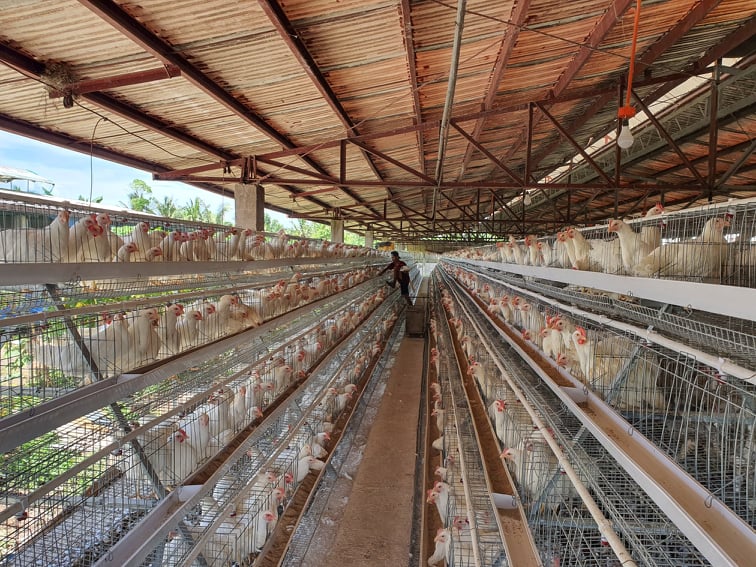
II. Positive Values of Treated Chicken Manure to Chicken Growth (Turning Waste into Valuable Resources)
Chicken manure itself is not a “pollutant”. It contains nutrients including incompletely digested crude protein, crude fat, amino acids, calcium, phosphorus and trace elements. After undergoing high-temperature composting, full maturation and sterilization, harmful bacteria and parasite eggs are completely eliminated. The treated manure can then be converted into a valuable farming resource.
1. Fermented chicken manure can be processed into organic fertilizer for sales to generate economic benefits.
Chicken manure undergoes microbial fermentation in fermenters and biogas digesters to completely break down hazardous substances. With markedly enhanced true protein and amino acid levels, it becomes safe bacterial protein feedstock, and sales of the treated chicken manure can yield considerable economic returns..
2. An ecological recycling breeding system can be established to boost chicken growth indirectly
Composted chicken manure can be used to cultivate green forage such as duckweed and forage grass, forming a closed-loop ecological chain of “chicken manure – green plants – chicken feed”. When chickens are fed with natural green forage, they can intake more abundant vitamins and amino acids, leading to more uniform growth and better meat quality, which realizes growth promotion at low costs.
III. Differential Impacts of Chicken Manure Management on Chicken Growth Under Various Breeding Modes
Selecting suitable chicken manure treatment equipment enables you to manage chicken houses more efficiently and achieve higher profits.
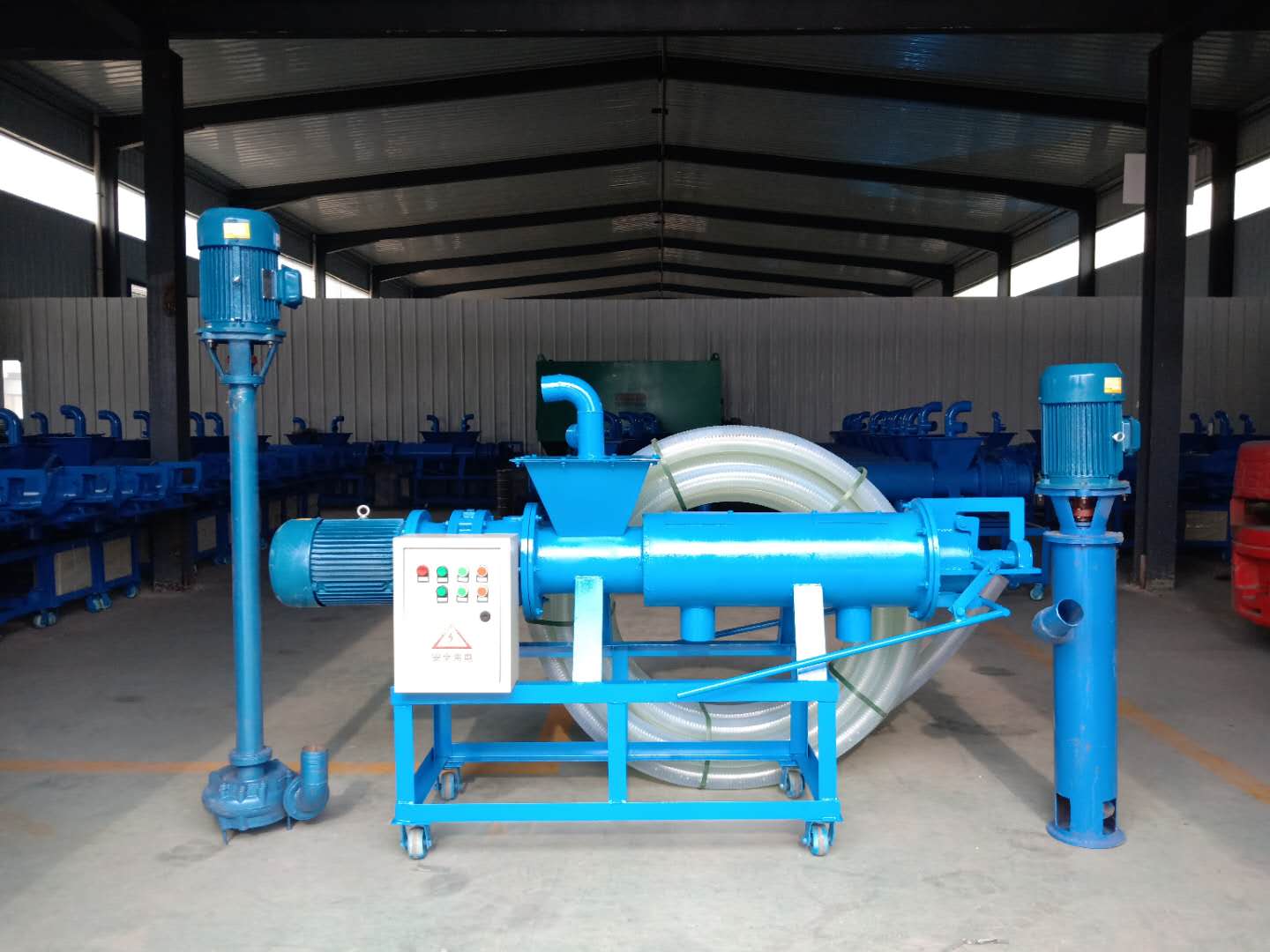
1. Manure Scraper&Manure belt
Advantages: Timely removal of manure significantly reduces hazards posed by pathogens and ammonia gas, enabling steady growth and a lower incidence of diseases among flocks.
Disadvantages: Excessively long intervals between clean-ups will lead to stress caused by manure accumulation. Frequent manure removal tends to disturb chickens and trigger stress responses, temporarily restraining their feed intake and growth performance.
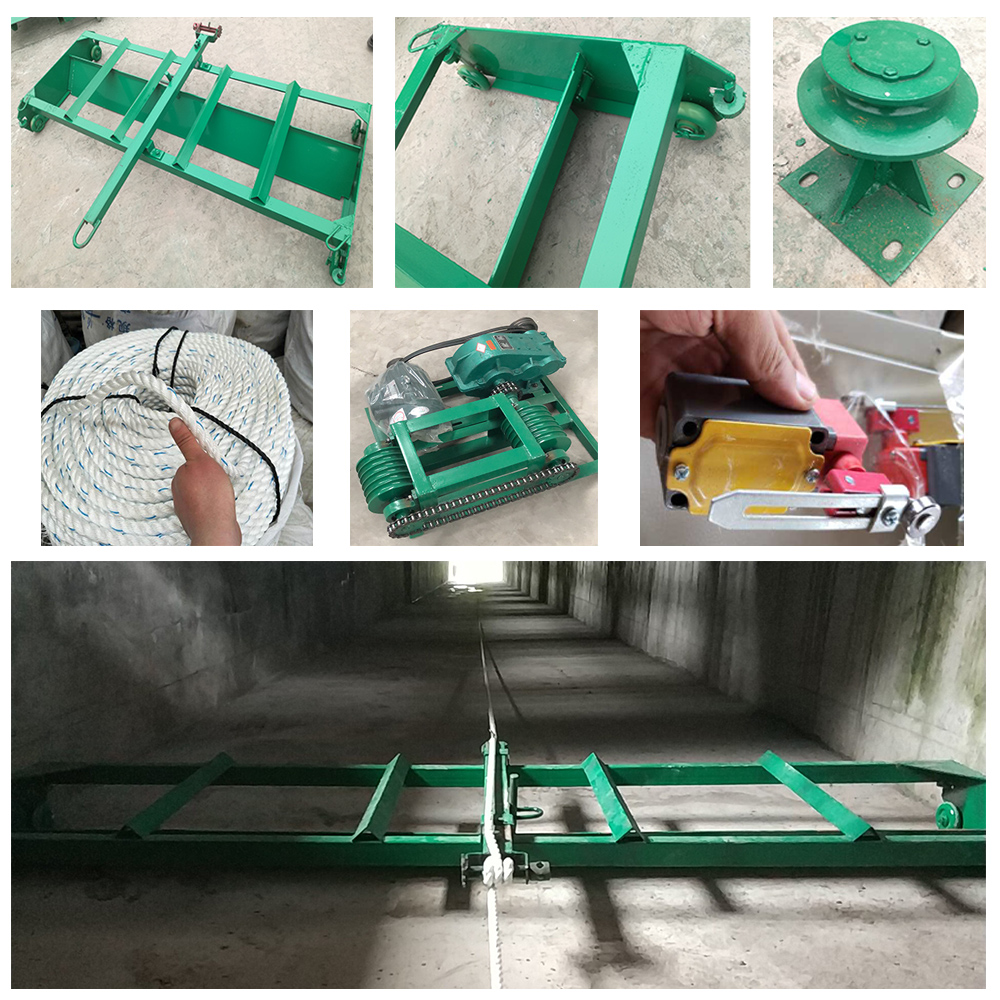
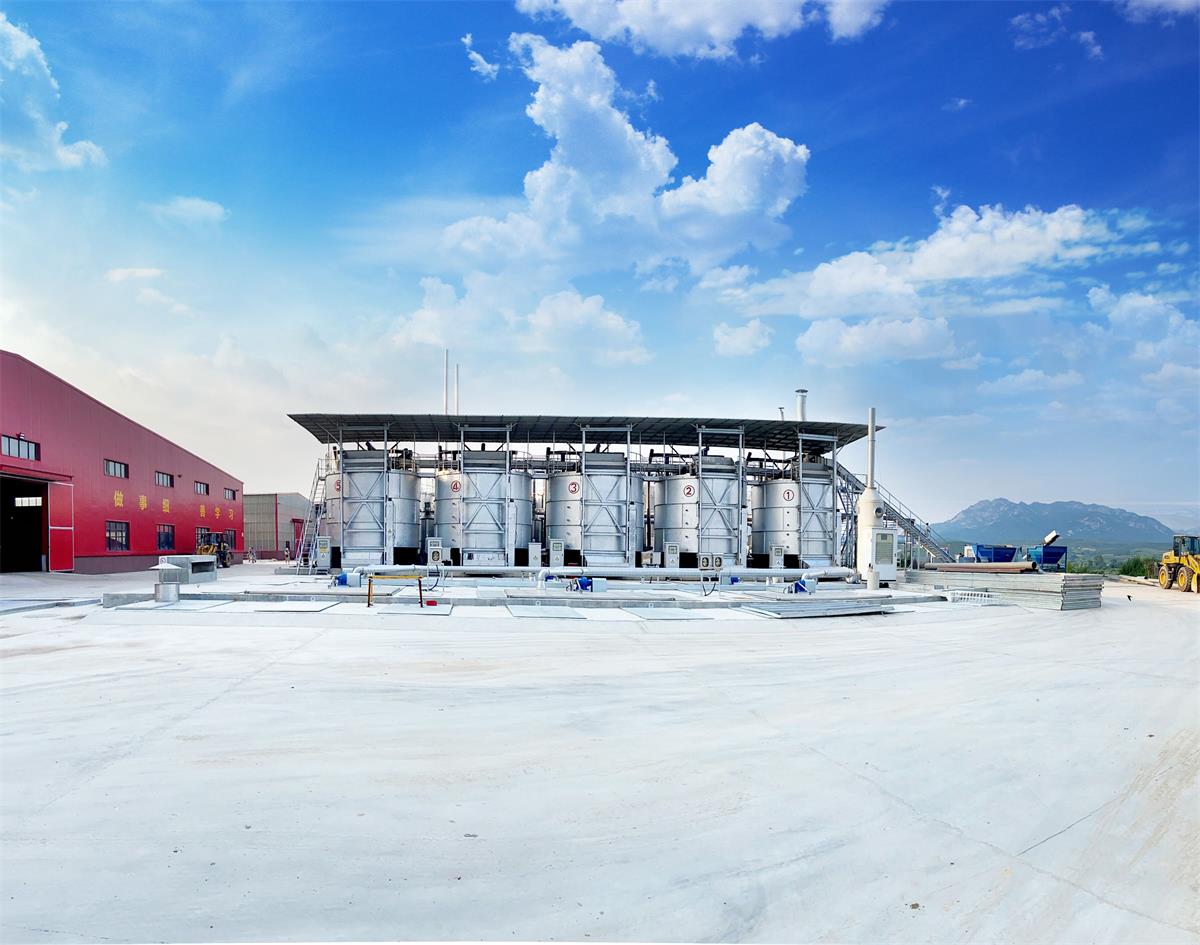
2. Biogas Digester & Fermenter
Advantages: Manure is decomposed in a timely manner with no offensive odour and fewer diseases. The breeding environment for chicken flocks remains stable, delivering even growth and fewer stunted chickens. This method is suitable for native chicken farming, free-range breeding and small-scale chicken farms.
Disadvantages: Improper litter maintenance or insufficient microbial strains will result in failed decomposition and mouldy accumulated manure, which may instead increase the risk of disease outbreaks.
3. Chicken Manure Air-Drying Equipment
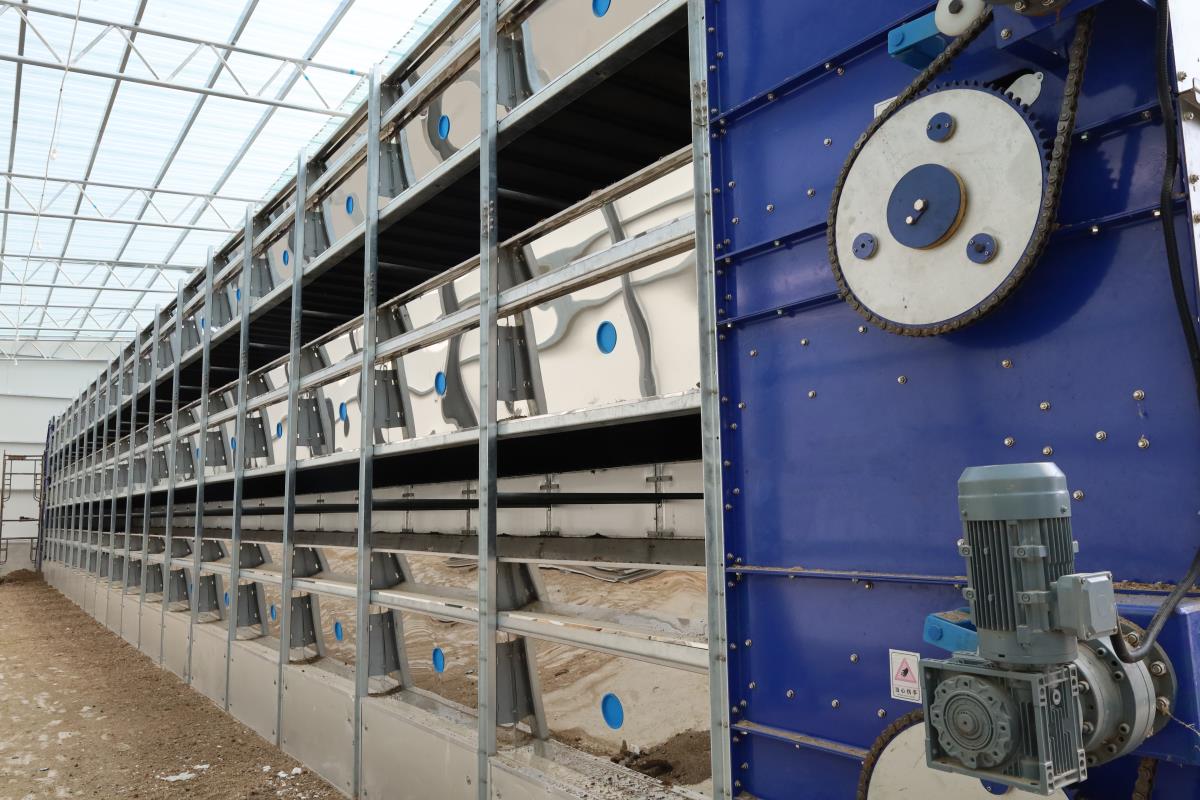
Advantages: It features fast processing. Fresh chicken manure is fed into the dryer and heated at high temperature to rapidly evaporate moisture, with the whole drying process usually completed within several hours. High temperature kills parasite eggs and harmful microorganisms contained in manure, facilitating subsequent storage and transportation.
Disadvantages: The equipment comes with high energy consumption. The fertilizer efficiency of dried manure declines, and such products have low market acceptance alongside strong odour emission.
IV. Conclusion
Chicken manure exerts two drastically opposite effects on the growth of chickens. Uncontrolled accumulated manure acts as the primary hidden hazard that leads to slow flock growth, frequent diseases, high mortality and culling rates, as well as poor breeding economic benefits. In contrast, scientifically treated and rationally recycled chicken manure can purify the breeding environment, provide nutritional supplements and realize ecological circular breeding.
To achieve fast and uniform chicken growth along with a low disease incidence in breeding production, the key does not lie in excessive medication or feed addition. Instead, refined manure management should be well implemented to eliminate growth inhibition from the environmental source, thereby realizing healthy, efficient and low-cost chicken farming.
Request A Quote
Please contact us or get quote via the contact form below, we’ll get back to you as soon as possible.